



lake fork crappie guide
Lake Fork Crappie Guide: A Comprehensive Plan
Lake Fork currently shows crappie being slow in 20-25 feet, favoring brush piles with minnows and jigs in 10-16 feet. Water temperatures range from 65 to 80 degrees.
Understanding Lake Fork
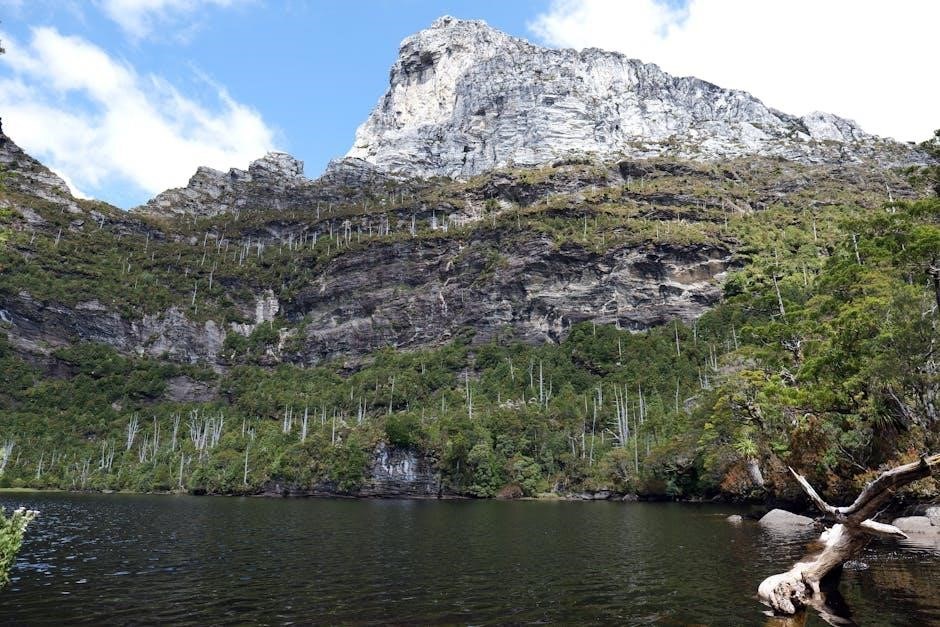
Lake Fork, a renowned Texas reservoir, presents unique challenges and opportunities for crappie anglers. Its expansive size – over 27,000 acres – and complex structure, including submerged timber, brush piles, and creek channels, demand a strategic approach. Water clarity typically exhibits a normal stain, impacting lure visibility and fish behavior; Current conditions, as of December 21, 2025, show fluctuating water levels and temperatures ranging from 65 to 80 degrees Fahrenheit.
Understanding these dynamics is crucial for locating and consistently catching crappie. The lake’s diverse habitat supports a healthy population, but locating them requires diligent searching and adapting to seasonal patterns.
Historical Crappie Populations at Lake Fork
Lake Fork has experienced fluctuating crappie populations over the years, influenced by factors like spawning success, predation, and angler harvest. Historically, the lake was known for producing trophy-sized crappie, attracting anglers nationwide. However, population cycles have led to periods of decline, prompting management strategies to enhance recruitment.
Recent reports indicate current conditions are “slow,” suggesting a potential dip in numbers, though fish are bunching up. Understanding these historical trends is vital for predicting future population dynamics and adjusting fishing strategies accordingly. Monitoring efforts continue to assess the health and abundance of the crappie population.
Seasonal Crappie Patterns
Lake Fork crappie exhibit distinct seasonal patterns influencing their location and behavior; During the spring, they move into shallow coves for spawning. Summer finds them seeking cooler, deeper water, often near structure. Fall triggers a feeding frenzy as they prepare for winter, transitioning back towards creeks and coves.
Currently (December 21, 2025), conditions are “slow” in 20-25 feet, indicating a winter pattern. Water temperature plays a crucial role; 65-80 degrees impacts their activity levels. Understanding these shifts is key to locating fish throughout the year and adapting your fishing approach.
Spring Crappie Fishing (Pre-Spawn & Spawn)
Lake Fork’s spring crappie fishing centers around the pre-spawn and spawn phases. As water temperatures rise, crappie move into shallow coves and creeks, seeking protected areas for spawning. Focus on brush piles and submerged timber in these locations.
Effective techniques include slow-presenting jigs and live minnows under a bobber. Target areas with stained water, as crappie prefer slightly murky conditions during this time. Pay attention to water temperature; optimal spawning occurs around 65-70 degrees. Be prepared for aggressive strikes as fish defend their nests!
Summer Crappie Fishing (Deep Water Tactics)
Lake Fork’s summer heat drives crappie into deeper, cooler waters. Locate them around submerged structure like brush piles and roadbeds in 20-25 feet. Utilize your fish finder to pinpoint schools of fish holding near these features.
Slow presentations are key; try vertical jigging with small jigs or fishing live minnows under a slip bobber. Consider using heavier jigs to maintain contact with the bottom. Water clarity impacts lure color selection – brighter colors work well in stained water, while natural tones excel in clear conditions. Patience is crucial!
Fall Crappie Fishing (Transition & Feeding Frenzy)
As Lake Fork’s water cools in the fall, crappie enter a transition phase, moving from deep summer haunts towards shallower creeks and coves. This triggers an intense feeding frenzy as they prepare for winter. Focus on areas with standing timber and brush piles in 10-16 feet of water.
Effective techniques include casting jigs and retrieving them slowly, or suspending live minnows under a bobber near structure. Experiment with different jig colors to find what the fish prefer. Be prepared for aggressive strikes as crappie actively feed!
Winter Crappie Fishing (Slow & Steady)
Winter crappie fishing on Lake Fork demands patience and a slow presentation. Fish become less active and congregate in deeper water, often near submerged structure like brush piles and roadbeds. Target depths of 20-25 feet, focusing on areas with minimal current.
Employ slow jigging techniques or suspend live minnows just above the bottom. Downsizing your jigs and using light line can increase sensitivity and entice hesitant bites. Remember, a subtle approach is key during the colder months for consistent success.
Best Crappie Fishing Locations on Lake Fork
Lake Fork offers diverse crappie hotspots. The North End consistently produces, particularly around submerged timber and brush. The Mid-Lake area’s structure, including roadbeds and creek channels, holds significant populations. Don’t overlook the South End’s creeks and coves, especially during spawning season.
Currently, stripers are moving south, and crappie are bunching up between Monte Ne and Camp War Eagle on the War Eagle River arm. Focus on areas with stained water and depths ranging from 10 to 25 feet for optimal results.
North End Hotspots
Lake Fork’s North End is renowned for its abundant submerged timber and brush piles, creating prime crappie habitat. Focus on areas near the old river channels and creek inlets. Look for standing timber in 20-25 feet of water where crappie tend to congregate, especially during cooler months.
Target brush piles with live minnows or jigs, varying your presentation depth. Pay attention to water clarity; stained water often holds more fish. Explore the area around Caney Creek and the upper reaches of the lake for consistent action.
Mid-Lake Structure
Lake Fork’s mid-lake region boasts numerous submerged roadbeds and creek channels, attracting crappie throughout the year. These structures provide cover and ambush points for feeding fish. Concentrate efforts around known roadbeds, utilizing your fish finder to locate brush piles and timber adjacent to these features.
Experiment with jigging presentations and slow-trolling minnows along the channel edges. Water depths typically range from 15-25 feet. Monitor water temperature and clarity, adjusting your tactics accordingly. Areas near Kings Creek and the main lake points often hold significant crappie populations.
South End Creeks & Coves
Lake Fork’s southern end, characterized by numerous creeks and coves, offers excellent crappie fishing, particularly during the spring spawn and fall transition. Focus on areas with standing timber and submerged brush, as these provide crucial cover for crappie. Slow presentations are key in these sheltered waters.
Utilize minnows under a slip bobber or cast jigs around visible structure. Water clarity can vary significantly, so adjust lure colors accordingly. Areas around Caney Creek and the numerous smaller coves often hold large concentrations of fish. Explore depths of 8-15 feet for optimal results.
Effective Crappie Baits & Lures
Lake Fork crappie respond well to a variety of presentations, but live minnows consistently prove effective. Presenting them under a slip bobber allows for precise depth control around structure; Jigs are also essential, with color selection dependent on water clarity – brighter colors in stained water, more natural tones in clear water.
Weight selection should match the depth and current. Don’t overlook crappie crankbaits, especially during active feeding periods. Experiment with retrieves to find what triggers strikes. Varying your lure presentation is crucial for success on Lake Fork.
Live Minnows: Presentation Techniques
Live minnows are a Lake Fork crappie staple. A slip bobber rig allows precise depth control around brush piles and timber, crucial for targeting suspended fish. Adjust the bobber stop to match the depth of the structure. Hook minnows lightly through the lips to maintain natural movement. Slow, deliberate retrieves often entice strikes.
Experiment with different hook sizes and line weights. For deeper water, consider using a heavier jighead below the bobber to quickly reach the desired depth. Keep minnows lively by changing them frequently and using a minnow bucket with aeration.
Jigs: Color & Weight Selection
Jig selection at Lake Fork depends on water clarity and depth. In stained water, brighter colors like chartreuse, pink, and orange excel. Clear water calls for more natural tones – white, black, and blue. Experimentation is key! Start with 1/32oz or 1/16oz jigs for shallow water and lighter presentations.
Increase weight to 1/8oz or heavier for deeper water or windy conditions to maintain contact. Consider adding a crappie nibble to the jig hook for extra scent and attraction. Vary retrieve speeds – slow and steady, or with subtle hops and pauses – to find what triggers bites.
Crappie Crankbaits & Other Lures
While jigs and minnows dominate, crappie crankbaits can be effective, especially when fish are actively feeding. Small, shallow-diving crankbaits mimicking baitfish work well around brush piles and submerged timber. Experiment with color – chartreuse, firetiger, and shad patterns are good starting points.
Consider using small spinnerbaits or roadrunners for a different presentation. These lures create flash and vibration, attracting crappie’s attention. Don’t overlook tube jigs or small swimbaits, especially when targeting suspended fish. Vary your retrieval speed and incorporate pauses to entice strikes.
Essential Crappie Fishing Gear
Successful Lake Fork crappie fishing demands the right equipment. A 6-7 foot light-action spinning rod paired with a 2000-2500 size reel is ideal. Monofilament line in the 4-6 lb test range offers good sensitivity. Essential terminal tackle includes various sized jigs, hooks, and bobbers.
Electronics, specifically a fish finder with sonar, are crucial for locating brush piles and submerged structure where crappie congregate. Don’t forget pliers, line cutters, and a tackle box to organize your lures and accessories. A net is also vital for safely landing your catch.
Rod & Reel Combinations
For Lake Fork crappie, a light-action spinning rod, ideally 6 to 7 feet in length, provides the sensitivity needed to detect subtle bites. Pair this with a quality spinning reel in the 2000 to 2500 size class, ensuring a smooth drag system. Graphite or composite rods are preferred for their responsiveness.

Popular choices include brands like B&B, Shakespeare, or Ugly Stik. Consider a rod with a sensitive tip to visualize strikes. A balanced rod and reel combination minimizes fatigue during long fishing days, crucial for locating active crappie.
Line & Terminal Tackle
When targeting Lake Fork crappie, 4 to 6-pound test monofilament or fluorocarbon line is ideal, offering a balance of sensitivity and strength. Fluorocarbon is nearly invisible underwater, enhancing presentation. Use a small swivel to prevent line twist, especially when using jigs.
Terminal tackle should include size 2 to 6 crappie hooks, depending on bait size. Split shot weights, ranging from 1/32 to 1/8 ounce, help control depth. Experiment with different hook styles – Aberdeen, sickle, or bait holder – to find what crappie prefer.
Electronics (Fish Finders & Sonar)
Lake Fork’s depths demand quality fish finders and sonar. Locate submerged structure – brush piles, timber, roadbeds – crucial for crappie. Side-imaging sonar reveals details beyond your boat’s path, identifying potential hotspots. Down-imaging provides a clear view directly beneath you, confirming fish presence.
Pay attention to water temperature and depth readings; crappie suspend at specific levels. Utilize features like contour mapping to pinpoint creek channels and ledges. Interpreting sonar returns accurately is key to consistently locating and catching crappie on Lake Fork.
Reading Lake Fork Structure for Crappie
Lake Fork crappie heavily relate to structure. Brush piles and submerged timber offer cover and attract baitfish, concentrating crappie. Focus on edges and transitions within these areas. Submerged roadbeds and creek channels create depth changes and current breaks, holding fish, especially during seasonal transitions.
Look for structure in 10-25 feet of water, adjusting depth based on season. Utilize sonar to identify these features and pinpoint fish location. Understanding how crappie use structure is vital for consistent success on Lake Fork.
Brush Piles & Timber
Lake Fork is renowned for its abundant brush piles and submerged timber, critical crappie habitat. These structures provide cover from predators and ambush points for feeding. Crappie often hold on the down-current side of brush, facing into the current to intercept prey. Focus on brush piles located near deeper water or creek channels.
Effective techniques include slow-trolling jigs or minnows around brush, or vertical jigging directly into the cover. Be mindful of snags and use weedless presentations. Targeting brush in 10-16 feet is often productive, particularly during warmer months.
Submerged Roadbeds & Creek Channels
Lake Fork’s submerged roadbeds and creek channels act as travel corridors for crappie, especially during seasonal migrations. These features often hold concentrations of baitfish, attracting crappie seeking a meal. Utilize your fish finder to locate these underwater structures and identify any associated cover like brush or timber.
Slow-trolling jigs or minnows along the edges of roadbeds and channels can be highly effective. Pay attention to depth changes and bends in the structure. Targeting these areas during the fall feeding frenzy can yield impressive results as crappie fatten up for winter.
Lake Fork Fishing Regulations & Licensing
Lake Fork requires a valid Texas fishing license for anyone 17 years or older. This can be purchased online through the Texas Parks and Wildlife Department (TPWD) website or at local retailers. Be sure to familiarize yourself with the specific regulations for crappie, including daily bag limits and size restrictions, which are subject to change.
Currently, there are no specific crappie size or bag limits uniquely defined for Lake Fork, adhering to statewide regulations. Always check the TPWD website for the most up-to-date information before your fishing trip to ensure compliance and responsible angling practices.
Hiring a Lake Fork Crappie Guide: Benefits & Considerations
Lake Fork crappie guides, like Jon Conklin, offer invaluable local expertise, significantly increasing your chances of a successful fishing trip. Benefits include knowledge of current fish patterns, prime locations – especially considering crappie bunching up – and effective techniques. Guides provide all necessary equipment, saving you the hassle of transport and setup.
However, consider the cost, which can range from $150 to $250+ per day. Research guides thoroughly, checking reviews and ensuring they are licensed and insured. Discuss your fishing preferences and experience level beforehand to find a suitable match.
Current Lake Conditions & Fishing Reports (as of 12/21/2025)
As of December 21, 2025, Lake Fork’s water is stained normally, with temperatures fluctuating between 65 and 80 degrees Fahrenheit. The lake level is currently 0.39 feet above pool, though it has also been reported 1.37 feet below pool recently. Crappie are reported as slow biting, found in 20-25 feet of water, but also good on brush piles in 10-16 feet.
Bream are slow throughout the lake, while catfish show varying activity, good in 5-6 feet with liver, and slow on chicken liver or cut bait in 6-8 feet.
Safety Tips for Crappie Fishing on Lake Fork
Lake Fork, while beautiful, demands respect. Always check the weather forecast before heading out, as conditions can change rapidly. Wear a life jacket – it’s the simplest and most effective safety measure. Be aware of your surroundings, especially regarding other boat traffic and submerged timber.
Carry a fully charged cell phone and inform someone of your fishing plans, including your location and expected return time. Hydrate frequently, especially during warmer months, and protect yourself from the sun with sunscreen and appropriate clothing. Practice safe boat operation and adhere to all posted speed limits.