Search for:

sculpey iii clay baking instructions

Understanding Sculpey III Clay

Sculpey III is a polymer clay renowned for its softness and ease of use, making it ideal for beginners and experienced crafters alike. It’s frequently baked at 275°F (135°C) for optimal results.

This versatile material is perfect for sculpting, modeling, and creating a wide range of artistic projects, from jewelry to figurines, and benefits from extended baking times for increased strength;

Proper baking is crucial; exceeding recommended temperatures can cause burning, while insufficient time leads to under-curing, impacting the final product’s durability and aesthetic appeal.

What is Sculpey III?

Sculpey III is a widely popular oven-bake polymer clay, celebrated for its incredibly soft texture and user-friendly nature. It’s a fantastic choice for both novice clay artists and seasoned professionals seeking a pliable medium. This clay distinguishes itself through its vibrant color palette and ability to hold intricate details, making it suitable for diverse projects.

Unlike air-dry clays, Sculpey III requires baking to permanently harden. The standard baking temperature is 275°F (135°C), though adjustments may be necessary based on piece thickness and oven variations. A crucial aspect of working with Sculpey III is understanding that longer baking times – even up to an hour – can significantly enhance the clay’s strength and durability.

It’s important to note that Sculpey III should never be microwaved. Always use a conventional oven and bake directly on an oven-proof surface like glass or metal to ensure even heat distribution and prevent damage to your creations.

Key Characteristics and Uses

Sculpey III’s defining characteristic is its exceptional softness, allowing for easy shaping and detailed sculpting without requiring extensive conditioning. This makes it particularly well-suited for projects where fine details are paramount, such as miniature figures, jewelry components, and decorative embellishments.

Regarding baking, Sculpey III requires a consistent temperature of 275°F (135°C) for proper curing. The baking time is directly proportional to the clay’s thickness – approximately 15 minutes per ¼ inch (6mm). However, extending the baking duration can yield a stronger, more durable finished piece.

Common uses include creating beads, charms, ornaments, and small sculptures. Because it’s oven-baked, Sculpey III offers a permanent, hardened result, unlike air-dry clays. Remember to always bake on an oven-safe surface and avoid exceeding the recommended temperature to prevent burning or discoloration. Proper baking ensures a vibrant and lasting finish.

Preparing to Bake Sculpey III

Before baking, ensure your Sculpey III piece is fully conditioned and free of fingerprints. Place it on a glass or metal surface for even heat distribution during baking.

Conditioning the Clay

Proper conditioning is paramount for successful Sculpey III projects. This polymer clay, being quite soft, requires kneading to achieve optimal pliability and prevent cracking during baking. Begin by breaking off a manageable piece of clay and working it in your hands.

Kneading warms the clay, making it softer and easier to shape. Continue kneading until the clay is smooth and consistent in texture, typically a few minutes. If the clay feels sticky, avoid adding cornstarch; continued kneading usually resolves this. A pasta machine dedicated solely to clay can also be used for efficient conditioning.

Passing the clay through the pasta machine repeatedly, starting at the thickest setting and gradually decreasing, ensures thorough conditioning. Properly conditioned clay will hold its shape better, exhibit fewer imperfections, and bake more evenly, resulting in a stronger, more durable finished piece. Remember, consistent texture is key!

Tools and Materials Needed

Successfully baking Sculpey III requires a few essential tools and materials. First, an oven is, of course, necessary – a conventional oven is ideal, and avoid using a microwave. An oven-proof surface, such as a glass tile or metal baking sheet, is crucial for placing your clay creations during baking.

For shaping and sculpting, consider tools like sculpting knives, needles, and ball tools. A pasta machine (dedicated to clay only!) is incredibly helpful for conditioning. Additionally, sandpaper in various grits is useful for smoothing post-baking.

To prevent sticking, parchment paper can be placed under your clay piece. A timer is essential for accurate baking, and an oven thermometer ensures your oven reaches and maintains the correct 275°F (135°C) temperature. Finally, have ventilation available, as baking polymer clay can release a slight odor.

Surface Preparation for Baking

Proper surface preparation is vital when baking Sculpey III to prevent sticking, discoloration, or damage to both your artwork and your oven. Always bake your clay creations on an oven-proof surface like a dedicated glass tile, ceramic tile, or a metal baking sheet. Avoid direct contact with the oven rack.

Lining the baking surface with parchment paper is a helpful precaution, though not always necessary. Ensure the surface is clean and free of any residue. Do not use paper or cardboard, as these are flammable.

Avoid baking directly on the oven floor. The consistent heat distribution provided by a tile or baking sheet ensures even curing. Remember, never use the same baking surface for food preparation after using it for polymer clay. Dedicated tools and surfaces are best for safety and optimal results.

Baking Temperature and Time

Sculpey III requires a consistent 275°F (135°C) baking temperature. Baking time varies with thickness—approximately 15 minutes per ¼ inch (6mm) is generally recommended for thorough curing.

Recommended Baking Temperature: 275°F (135°C)

Sculpey III consistently delivers the best results when baked at 275°F (135°C). Maintaining this precise temperature is paramount to achieving a fully cured, durable piece without the risk of burning or brittleness. Deviating from this recommendation can significantly impact the final product’s integrity.

It’s crucial to utilize an oven thermometer to verify your oven’s accuracy, as many ovens fluctuate in temperature. Consistent heat ensures even curing throughout the clay, preventing weak spots or inconsistencies. Many experienced clay artists even suggest baking for up to an hour, even after the clay appears cured, to maximize strength.

Remember, exceeding the recommended temperature can lead to discoloration, scorching, and the release of potentially harmful fumes. Conversely, baking at a lower temperature may result in a soft, uncured center. Adhering to 275°F (135°C) is the cornerstone of successful Sculpey III projects.

Baking Time Based on Thickness

Determining the correct baking time for Sculpey III is directly proportional to the thickness of your creation. A general guideline is 15 minutes of baking time for every ¼ inch (6mm) of thickness. This ensures the clay is thoroughly cured throughout, providing optimal strength and durability.

For instance, a piece measuring ½ inch thick would require approximately 30 minutes of baking time. However, it’s wise to err on the side of caution and add a few extra minutes, especially for intricate designs or larger pieces. Many artists recommend adding an additional 15 minutes for heat to penetrate to the core.

Remember to account for both the initial heat-up phase of the oven and a gradual cool-down period after baking. Consistent application of this thickness-to-time ratio will yield consistently well-cured Sculpey III creations, minimizing the risk of cracking or weakness.

Adjusting Baking Time for Thicker Pieces

When working with Sculpey III pieces exceeding ½ inch in thickness, simply applying the standard 15 minutes per ¼ inch rule may not be sufficient for complete curing. Thicker sections require extended baking times to ensure the core reaches the necessary temperature for polymerization.

A recommended approach is to calculate the base baking time based on thickness, then add an additional 15-30 minutes. Some sculptors even suggest adding time incrementally – baking for the calculated time, then adding 15 minutes, checking for flexibility, and repeating if needed.

Consider a slow, gradual heating and cooling process for very thick pieces to prevent cracking. This allows the clay to adjust to temperature changes without stress. Remember, longer baking times generally result in a stronger, more durable final product, but always monitor closely to avoid burning.

Troubleshooting Baking Issues

Sculpey III baking problems often stem from temperature inconsistencies. Burning indicates excessive heat, requiring a lower oven setting. Under-curing necessitates increased baking duration for complete hardening.

Address oven fluctuations by using an oven thermometer to ensure accurate temperature control throughout the baking process, guaranteeing consistent results.

Clay Burning: Lowering the Temperature

Clay burning during baking signifies that the oven temperature is exceeding the recommended 275°F (135°C) for Sculpey III. This isn’t a clay issue, but an oven calibration problem; immediately reduce the oven temperature by 25°F and closely monitor the baking process.

Employing an oven thermometer is crucial for accurate temperature readings, as many ovens are inaccurate. If burning persists even after lowering the temperature, further reductions in 10°F increments may be necessary.

Remember, it’s better to slightly underbake and extend the baking time than to overheat and risk ruining your creation. Prioritize addressing the oven’s temperature rather than attempting to compensate with shorter baking durations.

Consistent monitoring and small adjustments will ensure your Sculpey III pieces bake evenly and avoid the undesirable effects of burning, preserving their color and structural integrity.

Do not exceed the recommended temperature, as this can release fumes and compromise the clay’s properties.

Clay Not Fully Cured: Increasing Baking Time

If your Sculpey III piece feels fragile or bendable after baking, it indicates insufficient curing. This means the clay hasn’t reached its optimal hardness and requires additional baking time. Increase the baking duration in 5-10 minute increments.

Remember, the recommended starting point is 15 minutes per ¼ inch (6mm) of thickness, but thicker pieces or cooler oven spots may necessitate longer baking. Many clay artists suggest baking for up to an hour to maximize strength.

Avoid raising the temperature, as this can lead to burning. Instead, focus on extending the baking time to allow the heat to fully penetrate and polymerize the clay.

Regularly check the piece’s firmness, but be cautious as it will continue to harden slightly during the cooling process. Longer baking generally results in a more durable and resilient final product.

Ensure consistent heat distribution within your oven for even curing throughout the entire sculpture.

Addressing Oven Inconsistencies

Many home ovens exhibit temperature variations, creating “hot spots” and cooler areas. This inconsistency can lead to unevenly cured Sculpey III pieces. To mitigate this, utilize an oven thermometer to verify the actual baking temperature.

Rotate the piece halfway through the baking time to ensure all sides are exposed to consistent heat. Placing the clay on an oven-proof glass or metal surface helps distribute heat more evenly.

If your oven is known for significant fluctuations, consider reducing the baking temperature slightly – perhaps by 25°F (14°C) – and extending the baking time accordingly.

Some artists recommend tenting the clay with aluminum foil during the initial phase of baking to prevent surface burning, especially in ovens with strong top heating elements.

Consistent monitoring and adjustments are key to achieving a fully cured and uniformly hardened Sculpey III creation, despite oven inconsistencies.

Cooling and Finishing

Allow Sculpey III pieces to cool completely before handling to prevent breakage. Post-baking strengthening involves gradual cooling, and finishing touches like sanding or sealing enhance durability.

These final steps protect your artwork and provide a professional, polished appearance, ensuring longevity and showcasing the vibrant colors of the baked clay.

Cooling Process After Baking

Sculpey III pieces require a careful cooling process post-baking to avoid potential cracking or warping. Resist the urge to immediately handle the clay, even if the oven has signaled it’s finished.

Ideally, allow the baked items to cool completely inside the oven. This gradual temperature decrease minimizes thermal shock, a primary cause of damage. Simply turn off the oven and leave the door slightly ajar to facilitate a slow cool-down.

The cooling duration depends on the thickness and size of your creations, but generally, a period of at least 30 minutes to an hour is recommended. Larger, thicker pieces may benefit from even longer cooling times.

Once cooled, carefully remove the pieces. Avoid forceful handling, as they may still be somewhat fragile. A gentle touch ensures your sculpted creations remain intact and ready for finishing techniques.

Rushing this process can compromise the structural integrity of your Sculpey III artwork, so patience is key!

Post-Baking Strengthening Techniques

While Sculpey III is relatively durable after baking, employing certain techniques can significantly enhance its strength and longevity. A second, shorter bake cycle is a popular method, often referred to as a “strengthening bake.”

This involves returning the fully cooled piece to the oven at the same temperature (275°F / 135°C) for an additional 15-30 minutes. Many clay artists advocate for this, believing it fully cures the clay, especially in thicker sections.

Another technique involves sanding and buffing the baked clay. This not only smooths the surface but also compresses the clay particles, increasing density and resilience.

Applying a thin coat of a polymer clay sealant or varnish can also provide a protective layer, guarding against scratches and impacts. Ensure the sealant is compatible with polymer clay to prevent adverse reactions.

These post-baking steps contribute to a more robust and lasting finish for your Sculpey III creations, ensuring they withstand handling and display.

Finishing Touches and Sealing

Once your Sculpey III piece is cooled, the real artistry begins with finishing touches. Sanding is crucial for removing imperfections and achieving a smooth surface, progressing through finer grits for a polished feel.

Buffing with a soft cloth or polishing wheel further enhances the shine and removes sanding marks. Painting with acrylic paints adds vibrant color and detail, though sealing is recommended to protect the paint.

Sealing your baked clay is vital for durability and preventing color changes. Polymer clay varnishes or sealants create a protective barrier against scratches, UV damage, and moisture.

Choose a sealant specifically designed for polymer clay to avoid stickiness or clouding. Multiple thin coats are preferable to one thick coat, ensuring even coverage and a professional finish.

Finally, consider adding embellishments like glitter, beads, or resin for a unique and personalized touch, completing your Sculpey III masterpiece.


fifty shade darker pdf

Fifty Shades Darker PDF: A Comprehensive Guide (Updated 11/22/2025)

Today, November 22, 2025, offers numerous avenues to access Fifty Shades Darker in PDF format, exploring the passionate sequel with over 150 million copies sold!

Dive into Anastasia Steele’s journey, navigating a complex relationship while confronting Christian Grey’s past and making pivotal life decisions – all readily available digitally.

What is Fifty Shades Darker?

Fifty Shades Darker is the second installment in E L James’ globally renowned Fifty Shades trilogy, continuing the captivating and intensely passionate story of Anastasia Steele and Christian Grey. Released following the phenomenal success of Fifty Shades of Grey, this novel delves deeper into their complex relationship, exploring themes of love, trust, healing, and the challenges of overcoming past traumas.

The narrative picks up after Anastasia attempts to move on with her life, focusing on her career and family. However, Christian Grey re-enters her world, determined to win her back. As they rekindle their affair, Anastasia uncovers more about Christian’s harrowing past, revealing the source of his “damaged, driven, and demanding” nature.

The story isn’t simply about romance; it’s a psychological exploration of power dynamics, vulnerability, and the difficult path towards genuine connection. Anastasia faces jealousy and resentment from women connected to Christian’s past, forcing her to confront difficult choices about her future and the nature of her desires.

The Author: E L James

E L James, the author behind the Fifty Shades phenomenon, is a British novelist who captivated readers worldwide with her erotic romance series. Initially, James was a mother who put her writing dreams on hold to focus on her family and career. However, she eventually found the courage to pursue her passion, leading to the creation of Fifty Shades of Grey.

The series began as fan fiction, inspired by the Twilight saga, and quickly gained a massive online following before being published as a novel. The unprecedented success of Fifty Shades of Grey launched James into international stardom, making her one of the best-selling authors of the 21st century.

Currently, E L James continues to write and explore new creative endeavors, building upon the foundation laid by the Fifty Shades trilogy. Her work has sparked conversations about relationships, sexuality, and the power of storytelling.

Synopsis of Fifty Shades Darker

Fifty Shades Darker plunges readers back into the tumultuous world of Anastasia Steele and Christian Grey. Following the end of their initial agreement, Anastasia finds herself drawn back to Christian, rekindling their intensely passionate and sensual affair. However, this reunion isn’t without its challenges as Anastasia delves deeper into the harrowing past that has shaped Christian into the complex man he is.

As Anastasia learns more about Christian’s demons, she must also navigate the jealousy and animosity of the women who preceded her in his life. Simultaneously, Christian grapples with his own inner turmoil, struggling to reconcile his desires with his vulnerabilities.

Ultimately, Anastasia faces the most important decision of her life, questioning whether she can truly accept Christian for who he is and build a future with him, despite the darkness that surrounds them.

Finding and Downloading the PDF

Locating a Fifty Shades Darker PDF involves exploring legitimate sources, free eBook platforms like Open Library, and utilizing library services such as Hoopla.

Legitimate Sources for PDF Downloads

Accessing Fifty Shades Darker legally ensures a safe and quality reading experience, avoiding potential malware risks associated with unofficial websites. Several reputable platforms offer digital copies, including PDF formats, for purchase or through subscription services.

Major eBook retailers, such as Amazon Kindle Store, Barnes & Noble Nook, and Kobo, consistently provide the title in PDF alongside other formats. These sources guarantee authentic versions and often include features like adjustable fonts and integrated dictionaries.

Furthermore, exploring publisher websites directly can sometimes yield exclusive deals or promotional offers for PDF downloads. Always verify the website’s security certificate (HTTPS) before making any transactions or downloading files to protect your personal information. Prioritizing legitimate sources safeguards both your device and supports the author’s work.

Free eBook Platforms Offering Fifty Shades Darker

Several platforms offer Fifty Shades Darker as a free eBook, though availability can fluctuate. Open Library boasts over 1 million free eBooks, including contemporary works and classics, potentially hosting the title. Fifty Shades Of Darker Offers over 60,000 free eBooks, making it a viable option for readers seeking cost-free access.

However, exercise caution when utilizing these platforms. Verify the source’s legitimacy to avoid malicious downloads. Some sites may require registration or offer limited access. Project Gutenberg, while primarily focused on public domain texts, is worth checking for potential availability.

Remember that free access often comes with limitations, such as advertisements or restricted download options. Always prioritize safety and be mindful of potential risks when downloading from less-known sources.

Library Access: Hoopla and Similar Services

Public libraries provide a secure and legal avenue to access Fifty Shades Darker in PDF or eBook format. Hoopla is a prominent digital library service allowing patrons to borrow eBooks, audiobooks, and more with a valid library card. You can read Fifty Shades Darker online directly on Hoopla’s website or through their library app, offering convenient access on various devices.

Similar services like Libby (OverDrive) also offer extensive eBook collections. Check with your local library to determine which digital platforms they support. Library access ensures a safe download experience, free from viruses and malicious software.

Availability may vary based on library holdings and lending limits, so it’s advisable to place a hold if the title is currently checked out.

Understanding PDF Formats & Compatibility

PDF versions and reader software dictate accessibility; ensure your device supports the required format for seamless reading of Fifty Shades Darker.

PDF Versions and Reader Requirements

Navigating the world of PDFs requires understanding version compatibility. Fifty Shades Darker PDFs are generally created using widely supported standards, but older readers might encounter display issues. Adobe Acrobat Reader is the gold standard, offering broad compatibility and regular updates – it’s a free download and handles most PDF features flawlessly.

However, alternative readers like Foxit Reader or even built-in browser viewers (Chrome, Edge, Safari) can also open PDFs. Ensure your reader is updated to the latest version to support newer PDF features and security enhancements. Some PDFs may include interactive elements or specific fonts; an updated reader ensures these render correctly.

If encountering problems, verify the PDF isn’t corrupted during download. Trying a different reader or re-downloading the file can often resolve the issue. Compatibility is rarely a significant hurdle with modern PDF readers and Fifty Shades Darker PDFs.

Device Compatibility: Smartphones, Tablets, and Computers

Reading Fifty Shades Darker in PDF format offers excellent cross-device compatibility. Smartphones and tablets, both iOS and Android, readily support PDF viewing through dedicated apps like Adobe Acrobat Reader, or built-in functionalities. Adjusting font sizes and utilizing zoom features enhances readability on smaller screens.

Computers (Windows, macOS, Linux) also seamlessly handle PDF files, utilizing desktop applications or web browsers. Larger screens provide a more immersive reading experience. Cloud storage services (Google Drive, Dropbox) facilitate easy access across all devices, ensuring your reading progress syncs.

PDFs generally adapt to screen size, maintaining formatting. However, complex layouts might require zooming or panning. Offline access is a key benefit – once downloaded, the PDF is available even without an internet connection, perfect for commutes or travel.

Troubleshooting PDF Opening Issues

Encountering problems opening your Fifty Shades Darker PDF? Several solutions exist. First, ensure you have a current PDF reader installed – Adobe Acrobat Reader is a reliable choice. If the file appears corrupted, try downloading it again from a legitimate source. A damaged download is a common culprit.

Check your system’s resources; large PDFs may require sufficient RAM. Update your PDF reader to the latest version, as updates often address compatibility issues. If errors persist, try opening the PDF in a different reader or web browser. Clearing your browser’s cache can also help.

Occasionally, security settings might block access. Verify your PDF reader’s security preferences. If all else fails, consider converting the PDF to another format (like EPUB) for easier viewing.

Content and Themes in Fifty Shades Darker

The PDF reveals a story of love, healing, and trust, as Anastasia navigates a complex relationship, confronting pasts and making crucial life decisions.

Exploring the Relationship Dynamics

The Fifty Shades Darker PDF deeply explores the evolving connection between Anastasia Steele and Christian Grey, moving beyond initial attraction into a realm of vulnerability and negotiation. Readers witness a rekindling of their intense affair, but this time, Anastasia isn’t simply swept away; she actively seeks understanding of Christian’s troubled past.

The dynamic shifts as Anastasia confronts the “women who came before,” grappling with jealousy and the power imbalances inherent in their arrangement. The PDF showcases Christian’s internal struggles – his “inner demons” – and how these impact his ability to fully commit.

This installment delves into themes of control, submission, and the challenges of building trust after betrayal; The narrative, accessible through the PDF, highlights Anastasia’s growing self-awareness and her determination to define the terms of their relationship, ultimately leading her to a pivotal decision about her future with Christian Grey.

Christian Grey’s Past and Inner Demons

The Fifty Shades Darker PDF unveils layers of Christian Grey’s complex history, revealing a “harrowing past” that profoundly shapes his present behavior. Readers gain insight into the experiences that molded his controlling tendencies and emotional detachment, understanding the roots of his “damaged” psyche.

The narrative, readily available in PDF format, doesn’t shy away from exploring the trauma that fuels his “inner demons.” We see him wrestling with unresolved issues, attempting to reconcile his desires for intimacy with his fear of vulnerability. This internal conflict manifests in his interactions with Anastasia, creating tension and uncertainty.

The PDF showcases Christian’s struggle to overcome his past, hinting at the possibility of healing but also acknowledging the enduring power of his trauma. His journey is a central focus, offering a nuanced portrayal of a character grappling with profound emotional wounds.

Anastasia Steele’s Journey of Self-Discovery

The Fifty Shades Darker PDF meticulously charts Anastasia Steele’s evolving self-awareness as she re-enters Christian Grey’s world. Initially hesitant, Ana begins to assert her needs and boundaries, demonstrating a growing independence that wasn’t fully present in the first installment.

The downloadable PDF highlights her confrontation with the “anger and envy” of women from Christian’s past, forcing her to evaluate her own worth and desires. This challenge catalyzes a period of introspection, pushing her to define what she truly wants from the relationship.

Ana’s journey isn’t simply about romance; it’s about professional ambition too, as she temporarily puts her “dreams on hold” to focus on her career. The PDF portrays her as a multifaceted character navigating love, ambition, and self-respect.

Safety Considerations When Downloading PDFs

Protect yourself! Downloading Fifty Shades Darker PDFs requires vigilance against malicious websites, viruses, and phishing attempts; utilize robust antivirus software for secure reading.

Avoiding Malicious Websites and Viruses

Navigating the digital landscape while seeking a Fifty Shades Darker PDF demands caution. Numerous websites offer downloads, but many harbor hidden threats like malware and viruses. Prioritize reputable sources – official eBook platforms, library services (like Hoopla), and well-known online bookstores are significantly safer than obscure or unofficial sites.

Be wary of sites promising “free” downloads that require excessive personal information or prompt you to install unfamiliar software. These are red flags indicating potential scams. Always check the website’s URL for security indicators (HTTPS) and look for privacy policies. Before downloading, scan the PDF file with a reliable antivirus program to detect and remove any potential threats. Regularly updating your antivirus software is crucial for maintaining robust protection against evolving online dangers. Remember, a compromised device isn’t worth a free eBook!

Recognizing Phishing Attempts

Seeking a Fifty Shades Darker PDF can unfortunately expose you to phishing attempts. Cybercriminals often exploit popular titles to lure unsuspecting users into revealing sensitive information. Be extremely cautious of emails or websites requesting your login credentials, financial details, or personal data in exchange for a “free” download. Legitimate services will rarely, if ever, ask for such information upfront.

Look for telltale signs of phishing: poor grammar, spelling errors, generic greetings, and a sense of urgency. Verify the sender’s email address carefully – is it legitimate? Hover over links before clicking to reveal the actual destination URL. If something feels off, trust your instincts and avoid interacting with the suspicious communication. Report phishing attempts to the appropriate authorities to help protect others from falling victim to these scams.

Using Antivirus Software

Protecting your device while searching for a Fifty Shades Darker PDF requires robust antivirus software. A reliable program acts as a crucial first line of defense against malicious files disguised as eBooks. Ensure your antivirus is up-to-date with the latest virus definitions to effectively detect and neutralize emerging threats.

Scan all downloaded PDFs before opening them, even from sources you believe are trustworthy. Regularly scheduled full system scans are also recommended to identify and remove any hidden malware. Consider enabling real-time scanning to proactively monitor files as they are downloaded or accessed. Don’t rely solely on antivirus; practice safe browsing habits and exercise caution when clicking links or downloading files. A layered security approach is always best.

Alternatives to PDF: Reading Options

Beyond PDFs, explore online readers, webpage access, and eBook formats like EPUB for Fifty Shades Darker. Audiobooks also provide a captivating listening experience!

Online Readers and Webpage Access

Numerous platforms offer direct webpage access to read Fifty Shades Darker online, eliminating the need for downloads and installations. These readers often provide adjustable font sizes, brightness settings, and bookmarking features for a personalized reading experience.

Several websites host eBooks, allowing you to read directly within your web browser. This is particularly convenient for those who prefer not to store files on their devices or require immediate access without lengthy download times. Some platforms even offer social reading features, enabling discussions and sharing with fellow readers.

Accessing the novel through a webpage can also be a safer option, reducing the risk of encountering malicious software often associated with unofficial PDF downloads. It’s a streamlined and accessible way to immerse yourself in Anastasia and Christian’s world, directly from your preferred browser.

eBook Formats: EPUB vs. PDF

When considering digital reading options for Fifty Shades Darker, understanding the difference between EPUB and PDF formats is crucial. PDF (Portable Document Format) maintains the original layout, ideal for visually rich content, but can be less adaptable to different screen sizes.

EPUB (Electronic Publication) is a reflowable format, meaning the text adjusts to fit your device, offering a more comfortable reading experience on e-readers and smartphones. EPUB files generally take up less storage space than PDFs, making them convenient for devices with limited capacity.

While PDFs are widely accessible, EPUB often provides superior readability and customization. Many platforms offer both formats; choosing depends on your preference for layout preservation versus adaptable text flow. Both formats allow you to enjoy the captivating story of Anastasia and Christian, but cater to different reading styles.

Audiobook Options for Fifty Shades Darker

For those who prefer listening to reading, Fifty Shades Darker is readily available as an audiobook. This offers a unique way to experience the intense relationship between Anastasia Steele and Christian Grey, immersing you in the story through professional narration.

Audiobooks are perfect for commutes, workouts, or simply relaxing while enjoying the captivating plot. Several platforms, including Audible, Kobo, and Google Play Books, offer the audiobook version for purchase or subscription access.

Consider utilizing library services like Hoopla, which may provide free audiobook access with a library card. The audiobook format allows you to delve into the world of passion and intrigue hands-free, offering a convenient alternative to reading a PDF or eBook. It’s a fantastic way to revisit or discover the story!

Fifty Shades Darker: Part of a Larger Series

Fifty Shades Darker is the compelling second installment within the globally renowned Fifty Shades trilogy, captivating readers and driving the series’ immense cultural impact!

The Fifty Shades Trilogy: Order and Overview

The Fifty Shades trilogy, penned by E L James, begins with Fifty Shades of Grey, introducing the captivating, yet complex, dynamic between Anastasia Steele and Christian Grey. This initial volume sets the stage for their intense and unconventional relationship, exploring themes of desire, control, and vulnerability.

Fifty Shades Darker, the second book, delves deeper into Christian’s troubled past, revealing the origins of his emotional barriers and dominant tendencies. Anastasia navigates the challenges of rekindling their affair, confronting jealousy and making crucial decisions about her future. The PDF format allows for convenient access to this pivotal installment.

Finally, Fifty Shades Freed concludes the saga, showcasing the evolution of their relationship as they navigate marriage, family, and lingering threats from Christian’s past. The trilogy, as a whole, offers a compelling exploration of love, power, and personal transformation, readily available in digital PDF versions for devoted readers.

Related Works by E L James

E L James, the author behind the globally renowned Fifty Shades trilogy, initially began writing as a hobby, putting her other commitments on hold to pursue her passion for storytelling. Her journey to becoming a published author began with fan fiction, ultimately leading to the creation of Fifty Shades of Grey.

Following the immense success of the trilogy – including Fifty Shades Darker and Fifty Shades Freed, readily available in PDF format – James expanded the Fifty Shades universe with companion novels. These include Grey, which retells the story from Christian Grey’s perspective, offering a deeper understanding of his motivations and inner world.

Additionally, she penned Darker and Freed, companion novels mirroring the perspective shift, providing a comprehensive exploration of the characters and their complex relationship. These works offer fans a richer, more nuanced experience of the beloved saga, easily accessible in digital formats.

The Cultural Impact of the Fifty Shades Series

The Fifty Shades series, including Fifty Shades Darker, sparked significant cultural conversations upon its release, becoming a global phenomenon with over 150 million copies sold. The books ignited discussions surrounding BDSM, consent, and female sexuality, challenging societal norms and prompting widespread debate.

The series’ popularity extended beyond literature, inspiring films, merchandise, and countless fan works. It undeniably influenced popular culture, bringing previously taboo topics into mainstream discourse. While often criticized for its portrayal of relationships, the series undeniably resonated with a large audience, particularly women.

The readily available PDF versions further amplified its reach, contributing to its widespread accessibility and cultural impact. Fifty Shades remains a notable example of a self-published success story, demonstrating the power of digital platforms and fan engagement.

homemade gooseneck trailer plans pdf

Discover the versatility and strength of gooseneck trailers with DIY plans, offering cost-effective solutions for hauling heavy loads. Easy-to-follow PDF guides ensure a smooth building process for all skill levels.

What Are Gooseneck Trailers?

A gooseneck trailer is a type of trailer with a curved neck and a hitch that attaches to a pickup truck’s bed, offering enhanced stability and weight distribution. Known for their durability and versatility, these trailers are ideal for hauling heavy loads like boats, livestock, or large equipment. Their design provides a lower center of gravity, improving towing safety and control. Homemade plans allow enthusiasts to build custom trailers tailored to their needs, ensuring cost-effectiveness and personalization.

Why Choose a Homemade Gooseneck Trailer?

Building a homemade gooseneck trailer offers significant cost savings compared to purchasing a pre-made model. With PDF plans, you can customize the design to meet your specific needs, ensuring optimal performance for hauling heavy loads. DIY projects also allow you to choose high-quality materials and avoid manufacturer markups. This approach provides a sense of accomplishment and ensures your trailer is tailored to your preferences, making it a practical and rewarding investment for enthusiasts and professionals alike.

Benefits of Building a Homemade Gooseneck Trailer

Building a homemade gooseneck trailer offers personal satisfaction, hands-on learning, and the ability to tailor designs to specific needs, ensuring durability and functionality for years to come.

Cost-Effectiveness

Building a gooseneck trailer at home is a budget-friendly option, saving you from high retail prices. By using PDF plans, you avoid costly markups and can source materials affordably. DIY projects allow you to invest in quality components without overspending, making it a financially smart choice for haulers. This approach ensures you get a durable trailer tailored to your needs while staying within your budget. It’s a practical solution for those seeking affordability without compromising on performance or reliability.

Customization Options

Homemade gooseneck trailer plans offer extensive customization, allowing you to tailor the trailer to your specific needs. From deck designs to storage compartments, you can personalize every detail. Choose materials, layouts, and features that suit your hauling requirements. Add ramps, toolboxes, or tie-down points for enhanced functionality. With PDF plans, you can modify designs to fit your preferences, ensuring a trailer that meets your unique demands for durability and versatility.

Understanding the Design and Components

A gooseneck trailer’s design includes a sturdy frame, hitch system, axles, suspension, coupler, and deck. These components ensure durability, stability, and proper functionality for various hauling needs.

The Frame and Structure

The frame is the backbone of a gooseneck trailer, requiring durable materials like high-strength steel. Plans often specify 2×5 or 2×3 rectangular tubing for the main rails. Proper welding techniques ensure structural integrity, while crossmembers provide additional support. The hitch area must be reinforced to handle heavy loads. Detailed PDF guides include cut lists and material specifications, ensuring a sturdy foundation for safe and reliable towing. A well-built frame guarantees longevity and performance for various hauling needs.

The Gooseneck Hitch System

The gooseneck hitch system is a critical component, providing stability and security for heavy loads. It consists of a ball mounted in the truck bed and a coupler on the trailer. This design allows for better weight distribution and improved towing stability. Proper installation ensures safety and prevents wear on both the truck and trailer. PDF plans often include detailed instructions for fabricating or installing this system, ensuring a reliable and durable setup for your homemade trailer.

Axles and Suspension

Selecting the right axles and suspension is crucial for your homemade gooseneck trailer. Tandem axles are ideal for heavy loads, ensuring even weight distribution and stability. The suspension system absorbs shocks, protecting both the trailer and its cargo. Proper axle alignment and spring rating are essential for safe towing. PDF plans often include guidance on axle selection, welding, and suspension setup to ensure durability and performance. This ensures your trailer can handle various terrains and payloads efficiently.

Coupler and Safety Features

A sturdy coupler is essential for securing the trailer to the towing vehicle, ensuring stability and control. Safety features like breakaway kits and emergency braking systems are crucial for preventing accidents. Proper installation of these components ensures compliance with road safety regulations. Always use high-quality materials and follow PDF plans to guarantee reliability. Regular inspections of the coupler and safety mechanisms are vital for maintaining roadworthiness and protecting both the trailer and towing vehicle during transit.

Deck and Bed Options

When building a homemade gooseneck trailer, the deck and bed design are crucial for functionality. Popular options include steel, aluminum, or wood decks, each offering unique benefits. Steel decks are durable and ideal for heavy loads, while aluminum decks are lightweight and resistant to rust. Wood decks provide a cost-effective solution but require regular maintenance. Consider adding features like removable rails or tie-down points for enhanced versatility. Customizing the bed length and width ensures your trailer meets specific hauling needs, whether for vehicles, equipment, or livestock.

Choosing the Right Materials

Selecting durable materials is crucial for a sturdy trailer. High-strength steel ensures a robust frame, while quality wiring and braking components guarantee reliability and safety during operation.

Steel Types for the Frame

Choosing the right steel for your trailer frame is crucial for durability and safety. Common options include A-36 mild steel, known for its weldability and affordability, and A-500 steel, which offers higher strength and durability. For heavy-duty applications, 4130 chromoly steel is ideal due to its high tensile strength and resistance to deformation. Each type has specific cost, weight, and performance characteristics, so selecting the right one depends on your trailer’s intended use and load capacity requirements.

Wiring and Electrical Systems

Proper wiring is crucial for safety and functionality. PDF plans often include detailed diagrams for installing lights, brakes, and markers. Use a heavy-duty wiring harness and weatherproof connectors to ensure durability. Grounding is essential to prevent electrical issues. Consult local regulations for compliance. Regularly inspect and maintain all components to avoid malfunctions. Ensure brakes and lights are synchronized with your towing vehicle for safe operation. Follow step-by-step guides to avoid errors during installation.

Braking Systems and Components

A reliable braking system is essential for safety and control. Electric drum brakes or surge brakes are common choices, ensuring smooth stopping power. Proper installation of brake controllers and wiring is crucial. PDF plans often include detailed diagrams for brake setup, emphasizing safety and compliance with regulations. Regular maintenance, like checking brake pads and fluid levels, ensures optimal performance. Upgrading to disc brakes can enhance durability and heat dissipation, especially for heavy loads. Always follow manufacturer guidelines for installation and maintenance to guarantee reliability and safety on the road.

Safety Considerations

Ensure your trailer is roadworthy by adhering to load capacity and weight limits. Regular inspections and compliance with regulations are crucial for safe towing and operation.

Ensuring Roadworthiness

Building a homemade gooseneck trailer requires strict adherence to safety and legal standards. Always follow PDF plans carefully, ensuring proper installation of brakes, wiring, and suspension. Regular inspections of the hitch, axles, and tires are crucial. Weight distribution must align with the trailer’s capacity to avoid instability. Compliance with local regulations, such as lighting and braking systems, is mandatory. Proper maintenance and timely repairs will ensure your trailer remains roadworthy and safe for years of reliable use.

Load Capacity and Weight Limits

Understanding load capacity and weight limits is crucial for safe operation. Homemade gooseneck trailer plans often specify maximum payload based on frame strength and axle ratings. Ensure your trailer’s design matches the intended use to avoid overloading. Properly calculating weight distribution prevents structural stress and ensures stability during towing. Always adhere to local regulations and manufacturer guidelines for axles and braking systems to maintain safety and compliance. Consulting the PDF plans and expert advice helps in optimizing load capacity effectively.

Weight Distribution and Towing

Proper weight distribution ensures stability and control while towing. A gooseneck hitch optimizes load balance, enhancing towing performance and safety for heavy-duty hauling needs.

Proper Weight Distribution

Proper weight distribution is crucial for stability and control when towing a gooseneck trailer. Ensuring the trailer’s weight is evenly spread prevents swaying and maintains safe towing conditions. Homemade plans often include guidelines for balancing the load, emphasizing the importance of axle placement and hitch alignment. By following these instructions, builders can achieve optimal weight distribution, enhancing both performance and safety. This step is vital for maximizing the trailer’s efficiency and ensuring a smooth towing experience.

Choosing the Right Towing Vehicle

Selecting the appropriate towing vehicle is crucial for safely hauling your homemade gooseneck trailer. Ensure your vehicle meets the trailer’s GVWR and tongue weight requirements. A sturdy pickup truck, such as a Ford F-250 or Ram 2500, is ideal due to its high towing capacity. SUVs like the Chevrolet Tahoe or Toyota Sequoia can also work, depending on the trailer’s size. Always consult your vehicle’s towing specifications and consider upgrading to a heavy-duty axle or braking system for enhanced control and safety on the road.

The Building Process

Construct your gooseneck trailer with essential tools and a detailed step-by-step guide. Ensure proper welding and assembly for a durable, roadworthy structure, following the PDF plans meticulously.

Tools and Equipment Needed

Building a homemade gooseneck trailer requires essential tools like a MIG welder, angle grinder, drill press, and impact wrench. Measuring tools such as calipers and a tape measure are crucial for accuracy. A metal saw or cutting torch is needed for framing, while a hydraulic jack and axle stands assist with assembly. Safety gear, including gloves and goggles, is a must. Ensure you have a well-equipped workspace with a workbench and vice for efficient construction. Proper tools ensure a professional-grade build and adherence to safety standards.

Step-by-Step Assembly Guide

Begin by cutting and assembling the frame according to the PDF plans, ensuring precise measurements. Install the gooseneck hitch securely, followed by axle mounting and wheel alignment. Construct the deck using durable materials, adding rails for stability. Attach lighting and braking systems, ensuring electrical connections are safe and compliant. Finally, test all components thoroughly before first use. Refer to the guide for torque specifications and welding tips to guarantee a sturdy, roadworthy trailer.

Installing the Gooseneck Hitch

Installing the gooseneck hitch is a critical step, requiring precise alignment and welding skills. Ensure the hitch ball is securely mounted to the trailer frame, following the PDF plans for accurate measurements. Weld the hitch assembly firmly, double-checking its stability. Proper alignment with the towing vehicle is essential for safe operation. Test the hitch under supervision before loading to confirm its durability and functionality. This step ensures a reliable connection for heavy-duty hauling.

Mounting the Axles and Wheels

Mounting the axles and wheels is a critical step in your gooseneck trailer build. Ensure the axles are aligned with the frame and securely bolted using high-strength hardware. Refer to your PDF plans for precise measurements and torque specifications. Install the wheels, making sure they are properly seated and tightened. Double-check the axle alignment to maintain even weight distribution and ensure smooth towing. Always follow safety guidelines and consult the plans for specific instructions tailored to your trailer design.

Constructing the Deck and Rails

Building the deck and rails requires precision to ensure durability and safety. Use high-strength materials like steel for the frame and durable wood or metal for the deck. Proper welding techniques are essential to maintain structural integrity. Ensure the rails are securely attached to the frame, providing adequate support for heavy loads. Consider adding features like tie-down points for securing cargo. Follow the PDF plans carefully to achieve professional-grade results, ensuring your trailer is both functional and long-lasting.

Wiring and Electrical Setup

A reliable electrical system is crucial for safety and functionality. Use a durable wiring harness, secure connectors, and LED lights for visibility. Regularly test circuits to ensure proper function and compliance with regulations.

Installing Lights and Markers

Proper lighting is essential for safety and legality. Install tail lights, brake lights, and turn signals according to your trailer’s wiring diagram. Use LED lights for durability and visibility. Ensure all markers, such as side markers and rear reflectors, are securely mounted. Connect wiring to the tow vehicle’s electrical system, following trailer wiring standards. Test all lights before first use to confirm functionality. Refer to your PDF plans for specific installation guidance and compliance with local regulations.

Connecting Brakes and Electrical Systems

Properly connecting brakes and electrical systems is crucial for safety and functionality. Use wiring diagrams from your PDF plans to ensure accurate connections. Install a brake controller and synchronize it with your towing vehicle. Connect brake lines securely and test the system thoroughly. Ensure all lights and markers are wired correctly for visibility. Regularly inspect connections to prevent wear and tear. Consult local regulations to ensure compliance with electrical and braking standards for homemade trailers.

Testing and Inspection

Ensure your trailer’s safety and functionality by inspecting brakes, wiring, and axles. Conduct load tests and verify compliance with local regulations before first use.

Pre-First Use Checklist

Before using your homemade gooseneck trailer, ensure all components are secure and functional. Check the frame for structural integrity, wiring for proper connections, and brakes for responsiveness. Verify weight limits and load distribution. Inspect the hitch system, coupler, and safety chains. Test all lights and markers for visibility. Ensure tire pressure matches recommendations and inspect the deck for durability. Review local regulations for compliance and conduct a test tow to identify any issues. A thorough checklist ensures safety and reliability on the road.

Ensuring Compliance with Regulations

When building a homemade gooseneck trailer, it’s crucial to adhere to local and national transportation regulations. Ensure your trailer meets weight limits, braking system requirements, and electrical standards. Consult your area’s Department of Motor Vehicles for specific guidelines. Proper inspections and certifications may be necessary before road use. Always follow safety protocols and include a pre-use checklist to verify compliance. This ensures your trailer is both legal and safe for the road, avoiding potential fines or operational issues. Use reliable PDF plans to guide you through regulatory requirements.

Maintenance and Upkeep

Regular inspections of the frame, axles, and brakes ensure longevity. Lubricate moving parts and check electrical systems for proper function to maintain safety and performance over time.

Regular Maintenance Tips

Regular lubrication of moving parts, such as hinges and axles, ensures smooth operation. Inspect the hitch and coupler for wear and tighten loose connections. Check tire pressure and brake functionality before each use. Clean and maintain wiring and lights to avoid electrical issues. Inspect the deck and frame for damage or rust, applying protective coatings as needed. Schedule annual professional inspections to address hidden issues early. Proper upkeep extends the trailer’s lifespan and ensures safe, reliable performance.

Repairing and Replacing Parts

Regular maintenance and timely repairs are crucial for extending the lifespan of your homemade gooseneck trailer. Common repairs include replacing worn-out axles, brakes, and electrical components. Always use high-quality, durable materials to ensure safety and reliability. Consult your PDF plans for specific guidance on replacing parts like couplers or suspension systems. Keep a stock of essential spare parts to address issues promptly and avoid downtime during trips. Proper tools and a well-organized workspace are key to efficient repairs.

Customization Ideas

Elevate your trailer’s functionality with storage compartments, personalized paint jobs, and add-ons like ramps or fenders. Tailor the design to meet your specific hauling needs and preferences.

Adding Storage Compartments

Enhance your trailer’s functionality by incorporating storage compartments. Install toolboxes, bins, or shelves to keep essentials organized. Use durable materials like steel or aluminum for longevity. Ensure compartments are securely welded or bolted to the frame. Consider adding locks for security. Customize sizes and layouts to fit your needs, maximizing space without compromising the trailer’s structural integrity. Properly seal compartments to protect contents from weather. This addition boosts practicality, making your homemade gooseneck trailer even more versatile for hauling and storage tasks.

Personalizing the Trailer’s Appearance

Customize your gooseneck trailer to reflect your style with unique paint schemes, decals, or metallic finishes. Add functional accessories like LED lighting or chrome accents for a polished look. Personal touches, such as engraved logos or custom rail designs, can make your trailer stand out. These aesthetic enhancements not only boost visual appeal but also add a personal connection, ensuring your homemade trailer is both functional and visually striking.

Conclusion

Building a homemade gooseneck trailer is a rewarding project, offering cost savings and customization. With proper planning and resources, you can create a durable, reliable trailer tailored to your needs.

Final Thoughts on Building a Gooseneck Trailer

Completing a homemade gooseneck trailer project is incredibly rewarding, offering a durable and versatile hauling solution. By following detailed PDF plans, you ensure safety and proper construction. The cost-effectiveness and customization options make it a practical choice for enthusiasts. With patience and the right tools, you can create a trailer tailored to your needs, whether for heavy-duty tasks or recreational use. This project not only saves money but also provides a sense of accomplishment and reliability for years to come.

Additional Resources

Explore comprehensive guides, PDF plans, and expert support online. Join forums and communities for tips, troubleshooting, and sharing experiences with fellow DIY enthusiasts and professionals.

Where to Find Reliable Plans and Guides

Reliable homemade gooseneck trailer plans can be found online through trusted platforms offering PDF guides. Websites like Hugging Face and GitHub provide comprehensive blueprints, including material lists and step-by-step instructions. Online communities and forums dedicated to DIY projects often share verified plans and expert advice. Additionally, repositories like the Awesome ChatGPT Prompts offer detailed resources for trailer builds, ensuring you have everything needed to construct a durable and functional gooseneck trailer.

Online Communities and Forums

Engage with online forums and communities like GitHub and Hugging Face to connect with experts and enthusiasts. These platforms offer valuable resources, troubleshooting tips, and feedback on DIY trailer projects. Share experiences, learn from others, and gain insights into optimizing your gooseneck trailer build. Many communities provide access to detailed PDF plans and expert advice, ensuring your project is both successful and safe. Join these networks to enhance your building journey and stay updated on the latest trends and techniques.

co z gate opener manual

Welcome to the CO-Z Gate Opener Manual, your comprehensive guide for installation, operation, and maintenance. This manual covers troubleshooting, safety features, and tips for optimal performance, ensuring smooth operation and maximizing longevity.

Overview of the CO-Z Gate Opener

The CO-Z Gate Opener is a robust and versatile automatic gate opening system designed for sliding gates, offering convenience and security for homeowners. It supports gates weighing up to 1400 pounds, making it suitable for heavy-duty use. The opener features a durable design, built to withstand various weather conditions, and includes a manual release key for easy access during power outages. Compatible with remote controls, smartphone apps, and smart home systems, it provides seamless operation. The system also includes safety mechanisms, such as infrared sensors, to prevent accidents. With its user-friendly interface and advanced features, the CO-Z Gate Opener is a reliable choice for residential and commercial properties. Its compatibility with Wi-Fi and Bluetooth ensures modern connectivity, while the manual override option offers peace of mind. This opener is designed to enhance security, convenience, and efficiency for gate operation.

Importance of the Manual for Installation and Operation

The manual is essential for the proper installation and operation of the CO-Z Gate Opener. It provides detailed step-by-step instructions, ensuring a smooth setup process and preventing potential damage from incorrect installation. The manual also outlines safety precautions, helping users avoid accidents and ensuring compliance with local regulations. Troubleshooting guides within the manual enable users to diagnose and resolve common issues quickly, minimizing downtime. By following the manual, users can optimize the opener’s performance, extend its lifespan, and maintain security features; It serves as a comprehensive resource for understanding the system’s components, compatibility, and advanced features, such as smartphone app integration and sensor alignment. Whether you’re a DIY enthusiast or a professional, the manual is indispensable for achieving optimal functionality and safety.

Product Overview

The CO-Z Gate Opener is a robust, automatic sliding gate opener designed for gates up to 1400 lbs. It features remote control, smartphone app integration, and a manual override key for emergencies.

Key Features of the CO-Z Gate Opener

The CO-Z Gate Opener offers a range of innovative features, including remote control operation, smartphone app integration via Wi-Fi and Bluetooth, and a manual override key for emergencies. It is designed to handle gates weighing up to 1400 pounds, making it suitable for both residential and light commercial use. The opener is equipped with infrared sensors for safety, ensuring the gate stops or reverses upon detecting obstacles. Additionally, it features a built-in locking mechanism to prevent unauthorized manual operation. The system is also compatible with various accessories, such as wireless keypads and smart home devices, enhancing convenience and security. Its durable construction and weather-resistant design ensure reliable performance in different environmental conditions, making it a versatile and reliable choice for automatic gate operation.

Compatibility with Different Gate Types

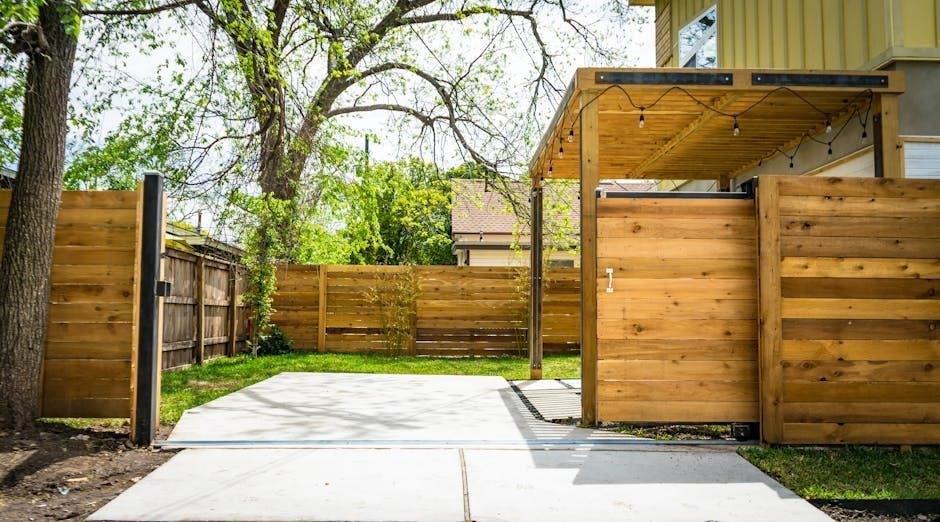
The CO-Z Gate Opener is designed to work seamlessly with a variety of gate types, including sliding, swing, and dual gates. It is compatible with gates made from materials such as aluminum, steel, and wood, offering versatility for different setups. The opener supports gates weighing up to 1400 pounds, making it suitable for both residential and light commercial applications. Its universal design allows it to integrate with various gate configurations, ensuring smooth operation regardless of the gate type. While primarily optimized for sliding gates, it can be adapted for swing gates with additional accessories. This flexibility makes the CO-Z Gate Opener a practical choice for homeowners and businesses seeking a reliable and efficient gate automation solution;

Components Included in the Package

The CO-Z Gate Opener package includes all essential components for a complete installation. The main items are the gate opener motor, remote control, manual release key, infrared sensors, mounting brackets, and a detailed user manual. Additional accessories may include a wireless keypad, Bluetooth or Wi-Fi controller, and necessary hardware like screws and bolts. The motor is pre-assembled for convenience, while the sensors and brackets are designed for easy installation. The remote control allows for convenient operation, and the manual release key ensures access during power outages. The package also includes a comprehensive manual with step-by-step instructions for installation, operation, and troubleshooting. These components ensure a seamless setup and operation experience, catering to both residential and light commercial needs. Properly utilizing these parts is crucial for optimal performance and safety.

Installation Instructions

Follow the step-by-step guide to install the CO-Z Gate Opener. Mount the motor, attach sensors, and connect wiring. Ensure proper alignment and secure all components. Refer to the manual for detailed instructions.

Preparation for Installation

Before installing the CO-Z Gate Opener, ensure your gate is compatible with the system. Check the weight and size specifications to confirm suitability. Gather all tools and components from the package, including the motor, sensors, and mounting hardware. Inspect the gate for proper alignment and structural integrity. Clean the gate track to ensure smooth operation. If your gate has an existing opener, disconnect it before proceeding. Familiarize yourself with the manual to understand the installation process. Ensure power is available near the gate for the motor. Safety precautions, such as wearing gloves and ensuring the area is clear, are essential. If unsure about any step, consult a professional or contact customer support for assistance. Proper preparation ensures a smooth and successful installation.

Step-by-Step Installation Guide

Begin by mounting the main engine to the gate post, ensuring it is level and securely fastened. Attach the rail to the gate, aligning it with the engine’s gear. Install the sensors near the gate, following the manual’s spacing guidelines. Connect the wires to the control box, ensuring proper polarity. Mount the remote receivers and pair them with your remote control. Test the system by opening and closing the gate slowly to check for smooth operation. If the gate stops or jerks, adjust the rail alignment. Secure all connections and tighten any loose bolts. Finally, test the safety features, such as the emergency stop and manual override, to ensure they function correctly. Proper installation ensures reliable performance and longevity of your CO-Z Gate Opener.

Installing the Main Engine

Begin by carefully unpacking the main engine and ensuring all components are included. Mount the engine to the gate post using the provided bolts, ensuring it is level and securely fastened. Attach the drive rail to the gate, aligning it with the engine’s gear. Tighten all bolts firmly after alignment. Connect the motor to the control box, following the wiring diagram in the manual. Ensure the engine is properly grounded for safety. Test the engine by manually activating it to confirm smooth operation. If the engine does not move, check the wiring connections and ensure the power supply is correct. Once installed, proceed to attach the chain or belt, adjusting the tension as needed. Proper installation of the main engine is critical for the gate opener’s performance and longevity.

Setting Up Sensors and Accessories

After installing the main engine, proceed to set up the sensors and accessories. Begin by mounting the infrared sensors near the gate, ensuring they are aligned and free from obstacles. Connect the sensors to the control box, following the wiring diagram. Pair the remote control with the gate opener by pressing the learn button on the control box and holding the remote button until the indicator blinks. For smartphone app integration, download the compatible app, pair the device via Bluetooth or Wi-Fi, and follow in-app instructions to complete the setup. Install the manual override key in an accessible location for emergency use. Finally, test all sensors and accessories to ensure proper functionality. Adjust sensor alignment if necessary to avoid misoperation. Proper setup of these components ensures safe and convenient gate operation.

Operating the Gate Opener

Operate your CO-Z gate opener using the remote control, manual override, or smartphone app. Ensure smooth operation by regularly testing sensors and adjusting settings as needed for optimal performance.

Using the Remote Control

The remote control provides a convenient way to operate your CO-Z gate opener. To use it, ensure the device is properly paired with your gate opener. Open the app, click “Confirm,” and wait for the app to detect the sliding door Wi-Fi controller. Once connected, your phone’s Bluetooth will automatically pair, allowing you to control the gate without needing Wi-Fi. The remote control offers seamless operation, and the manual release key ensures easy access during emergencies. Regularly test the remote to ensure proper functionality and adjust settings as needed for smooth operation. This feature enhances convenience and security, making it easier to manage your gate from a distance. Always keep the remote in a safe place to prevent unauthorized access. By following these steps, you can enjoy hassle-free control of your CO-Z gate opener.

Manual Override Feature

The CO-Z gate opener includes a convenient manual override feature, allowing you to operate the gate manually when needed. This feature is especially useful during power outages or system malfunctions. To use the manual override, locate the release mechanism on the main engine. Insert the provided manual release key into the designated slot and turn it to disengage the automatic lock. Once disengaged, you can open or close the gate manually. After resolving the issue, re-engaging the lock will restore automatic operation. Always ensure the gate is stationary before using the manual override to avoid accidents. This feature provides peace of mind and ensures access to your property in any situation. Regularly test the manual override to ensure it functions properly. Keep the release key in a safe, accessible location for emergencies. This feature enhances the overall reliability and convenience of the CO-Z gate opener system.

Smartphone App Integration

The CO-Z gate opener seamlessly integrates with your smartphone via a dedicated app, offering remote control and real-time monitoring. Download the app, connect your gate opener through Wi-Fi or Bluetooth, and enjoy convenient operation from anywhere. The app allows you to open or close the gate, monitor its status, and receive notifications for gate activity. Compatible with both iOS and Android devices, the app enhances security by letting you know who accessed your gate and when. Additionally, the app supports integration with smart home systems, enabling voice commands through devices like Apple Watch or Siri. This feature ensures you can manage your gate effortlessly, whether you’re at home or away. Regular app updates provide improved functionality and security, making smartphone integration a key advantage of the CO-Z gate opener system.

Troubleshooting Common Issues

Identify and resolve common issues like sensor misalignment, power outages, or app connectivity problems. Refer to the manual for step-by-step solutions to ensure smooth gate operation and functionality.

Diagnosing Common Problems

Diagnosing issues with your CO-Z gate opener is crucial for maintaining smooth operation. Common problems include sensor misalignment, power outages, or app connectivity issues. Start by checking the sensor alignment, as misalignment can cause irregular gate movement. Ensure the power supply is stable and verify that all connections are secure. If the gate opener fails to respond, perform a hard reset by turning it off and on. For connectivity issues, restart your Wi-Fi and Bluetooth connections. Check the app for firmware updates, as outdated software can cause malfunctions. If the problem persists, consult the manual or contact customer support for further assistance. Regular diagnostics help prevent major breakdowns and ensure your gate operates efficiently. Always refer to the troubleshooting section for detailed solutions to specific issues.

Resetting the Gate Opener

Resetting your CO-Z gate opener can resolve various operational issues. To perform a hard reset, turn off the power supply and wait for 30 seconds before turning it back on. This process resets the system to its default settings. If the gate opener is unresponsive, use the manual release key to disengage the motor and operate the gate manually. Ensure the gate is fully open or closed before attempting a reset. For connectivity issues, restart the Wi-Fi and Bluetooth connections. If problems persist, refer to the manual for specific reset procedures or contact customer support for assistance. Regular resets can help maintain optimal performance and address unexpected malfunctions. Always ensure the gate is in a safe position before resetting to avoid accidents or damage.

Fixing Sensor Misalignment

Sensor misalignment is a common issue that can disrupt your gate opener’s functionality. To fix this, ensure the infrared sensors are properly aligned and free from obstructions. Start by turning off the power supply and checking the sensor connections. Use the provided adjustment screws to align the sensors correctly. If the sensors are misaligned, the gate may not open or close smoothly. Clean the sensors regularly to avoid interference from dirt or debris. If the problem persists, refer to the manual for specific alignment instructions or reset the sensors according to the manufacturer’s guidelines. Proper sensor alignment ensures safe and efficient operation of your CO-Z gate opener. Regular checks and adjustments can prevent future misalignment issues and maintain optimal performance. Always follow safety precautions when working with electrical components to avoid accidents or damage.

Maintenance and Upkeep

Regular maintenance ensures optimal performance. Clean moving parts, lubricate hinges, and check for wear. Update software and firmware to enhance functionality and security. Schedule checks to prevent damage and extend lifespan.

Regular Maintenance Schedule

To ensure your CO-Z gate opener operates smoothly, follow a regular maintenance schedule. Clean moving parts monthly to remove dirt and debris. Lubricate hinges and gears every quarter to prevent friction. Inspect sensors and alignment semi-annually for proper function. Check for wear on chains or belts and replace them if necessary. Update software and firmware as new versions become available to maintain optimal performance and security. Regularly test the manual override feature to ensure it works correctly. Keep the control box dry and protected from extreme weather conditions; By adhering to this schedule, you can extend the lifespan of your gate opener and prevent unexpected malfunctions. Always refer to the manual for specific instructions tailored to your model.

Cleaning and Lubricating Moving Parts

Regular cleaning and lubrication are essential for maintaining the smooth operation of your CO-Z gate opener. Start by turning off the power and engaging the manual override. Use a soft cloth to wipe away dirt, dust, and debris from moving parts like hinges, chains, and gears. Avoid using harsh chemicals, as they may damage the components. Once clean, apply a high-quality silicone-based lubricant to all moving parts, ensuring proper coverage. Pay special attention to areas prone to friction, such as hinges and gear teeth. Lubricate every 2-3 months or more frequently in dusty or high-usage environments. This routine will prevent wear, reduce noise, and ensure your gate opener runs efficiently. Always refer to the manual for specific lubrication recommendations for your model.

Updating Software and Firmware

Keeping your CO-Z gate opener’s software and firmware up to date is crucial for optimal performance and security. Regular updates often include bug fixes, feature enhancements, and improved compatibility with smart devices. To update, open the smartphone app connected to your gate opener and navigate to the settings or system section. Check for available updates and follow the on-screen instructions to download and install the latest version. Ensure your device has a stable internet connection during the process. Never interrupt the update, as it may cause system instability. Once complete, restart the gate opener to apply the changes. Updates ensure your gate opener remains secure and functions seamlessly with the latest technologies. Always refer to the manual for specific instructions tailored to your model.

Safety Features and Precautions

The CO-Z gate opener features built-in safety mechanisms, including obstacle detection sensors and emergency stop functions. Regular maintenance ensures reliable operation and prevents potential hazards. Always follow manual guidelines.

Built-In Safety Mechanisms

The CO-Z gate opener is equipped with advanced safety features to ensure secure and reliable operation. Obstacle detection sensors automatically halt the gate’s movement if an object or person is detected in its path. This prevents potential accidents and damage. Additionally, the system includes an emergency stop function, allowing immediate cessation of gate movement in critical situations. The manual override feature provides a failsafe method to open or close the gate manually, ensuring access even during power outages or system malfunctions. These mechanisms are designed to enhance user safety and provide peace of mind. Regular maintenance, as outlined in the manual, ensures these safety features function optimally. By integrating these technologies, the CO-Z gate opener prioritizes user well-being and operational reliability.

Preventing Accidental Operation

The CO-Z gate opener incorporates multiple features to prevent accidental operation, ensuring safe and intentional use. A password-protected remote control and smartphone app add layers of security, preventing unauthorized access. Additionally, the system includes a child safety lock feature, which disables remote and app controls when activated. The manual override key provides a secure method to operate the gate manually, reducing the risk of unintended movement. The gate opener also features an automatic timeout function for remote controls, deactivating them after a period of inactivity. Furthermore, the system’s design includes physical barriers to prevent accidental triggering, such as requiring a deliberate button press on the remote or app. These measures collectively ensure that the gate operates only when intentionally commanded, enhancing safety and security for users.

Emergency Stop Procedures

In case of an emergency, the CO-Z gate opener is equipped with features to ensure immediate and safe stopping of the gate. First, locate the manual override key, which allows you to disengage the motor and operate the gate manually. This feature is particularly useful if the gate starts moving unexpectedly or if someone is in harm’s way. Additionally, the system includes an emergency stop button on the control panel, which halts the gate’s movement instantly when pressed. If the gate is moving erratically, disconnect the power supply to the main engine to prevent further operation; Always ensure sensors are properly aligned, as misalignment can trigger unintended stops. For detailed instructions, refer to the troubleshooting section of this manual. Regular maintenance and sensor checks are crucial to prevent emergencies and ensure smooth operation. Always prioritize safety when dealing with automatic gate systems.

Thank you for reading the CO-Z Gate Opener Manual. Proper installation, operation, and maintenance ensure optimal performance and safety. Refer to this guide for troubleshooting and maintenance tips, and explore additional resources for further assistance.

Final Tips for Optimal Performance

To ensure your CO-Z gate opener functions at its best, follow these final tips. Regularly clean and lubricate moving parts to prevent wear and tear. Always update the software and firmware to access new features and improvements. Use genuine CO-Z replacement parts to maintain compatibility and performance. Avoid exposing the control box to direct rain or moisture to prevent damage. Test the gate opener periodically to ensure smooth operation. If issues arise, refer to the troubleshooting section or contact customer support. For specific models, consult the detailed manual provided. By adhering to these guidelines, you can enjoy reliable and efficient gate operation for years to come.

Resources for Further Assistance

For additional support, visit the official CO-Z website to download detailed manuals and guides specific to your gate opener model. Contact CO-Z customer support directly for personalized assistance with installation or troubleshooting. Explore video tutorials on platforms like YouTube, which offer step-by-step installation and maintenance tips. Join online forums or communities where users share their experiences and solutions for common issues. Refer to the troubleshooting section in this manual for quick fixes. If needed, purchase replacement parts from authorized retailers to ensure compatibility. For advanced features, consult the app integration guide provided with your gate opener. Remember to check the CO-Z FAQ section for answers to frequently asked questions. By utilizing these resources, you can resolve issues efficiently and maximize your gate opener’s performance.