
gl2400 allen and heath manual
Overview of the Allen & Heath GL‑2400
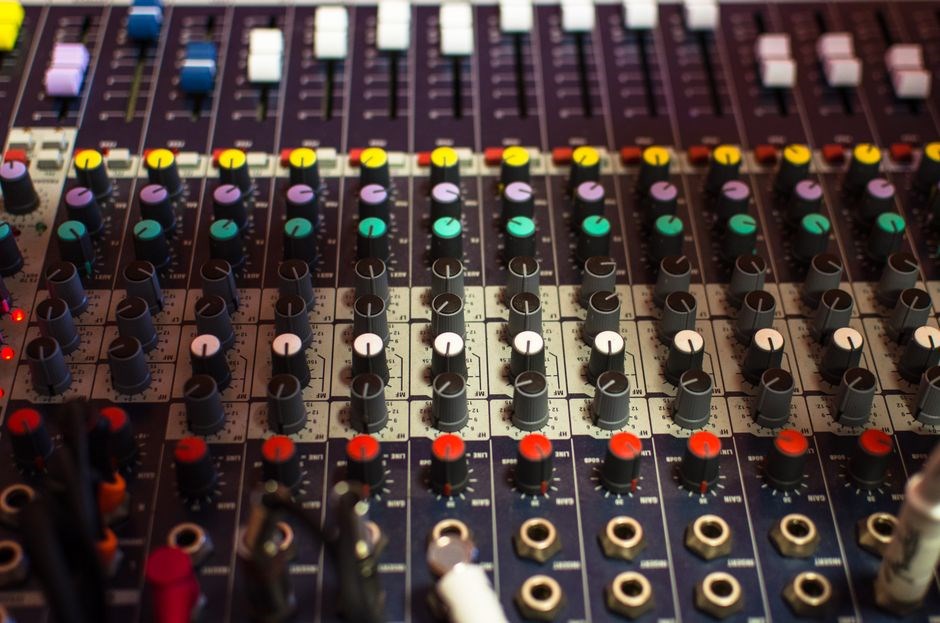
The Allen & Heath GL‑2400 is a dual‑function analog mixing console designed for live sound and monitoring. It features 24 mic preamps‚ 4 buss outputs‚ and a robust chassis. The manual covers installation‚ operation‚ and troubleshooting for professionals. It also covers power supply grounding guidelines!!!!

Historical Context and Design Philosophy
The Allen & Heath GL‑2400‚ introduced in the early 2000s‚ was conceived as a bridge between professional live‑sound mixing and studio‑grade monitoring. Its design philosophy centers on analog purity‚ with a focus on delivering clean‚ uncompressed signal paths that appeal to audiophiles and sound engineers alike. The console’s dual‑function architecture—combining a 24‑channel mixer with a dedicated monitor section—was a deliberate response to the growing demand for flexible‚ on‑stage control without sacrificing studio‑level quality. Engineers at Allen & Heath emphasized a rugged‚ all‑metal chassis and intuitive layout‚ ensuring that technicians could quickly access critical controls while the console remained resilient under touring conditions. The manual reflects this philosophy by prioritizing clear‚ step‑by‑step guidance for installation‚ operation‚ and maintenance‚ catering to both seasoned professionals and newcomers. By integrating a comprehensive service manual and user guide‚ Allen & Heath reinforced its commitment to user empowerment and long‑term reliability‚ positioning the GL‑2400 as a staple in venues that require a blend of live‑sound excellence and precise monitor management. The console’s heritage traces back to the GL series‚ known for its analog‑centric approach‚ and the GL‑2400 inherits this legacy while adding modern conveniences such as digital metering and flexible routing. The design team also prioritized ergonomic ergonomics‚ placing frequently used knobs and faders within easy reach‚ thereby reducing operator fatigue during long performances. Overall‚ the GL‑2400 embodies Allen & Heath’s dedication to marrying classic analog sound with contemporary usability‚ ensuring that the console remains a trusted tool for live sound engineers worldwide. Its legacy inspires blending analog warmth with digital precision!!!??
Core Specifications and Technical Summary
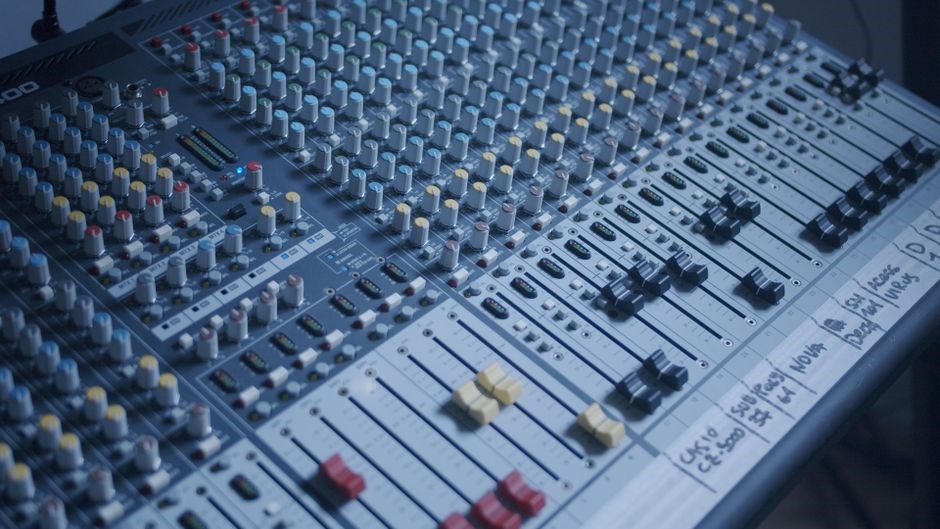
The Allen & Heath GL‑2400 delivers a robust 24‑channel analog mixer with 4‑bus routing‚ designed for both live‑sound and monitoring. Each channel features a 48‑dB VCA mic preamp‚ 20‑band EQ‚ and a dedicated aux send‚ allowing precise tonal shaping and flexible signal flow. The console supports 48‑bit digital I/O via AES/EBU and S/PDIF‚ enabling high‑resolution recording and playback. Power is supplied by a 115‑V/230‑V AC input with built‑in surge protection‚ and the chassis is constructed from anodized aluminum for durability. The front panel layout emphasizes ergonomic placement: large rotary faders‚ push‑buttons for mute/solo‚ and a 7‑segment LED meter for each channel. The monitor section includes 4 dedicated monitor buses with independent gain controls and a 48‑channel matrix‚ allowing stage‑monitor mixes to be configured directly on the console. The GL‑2400’s firmware is stored in a 256‑kbit EEPROM‚ providing up‑to‑date firmware upgrades via a USB interface. The console’s internal routing matrix is fully programmable‚ supporting up to 128 routing combinations. The manual details the calibration procedure‚ including phantom power settings‚ EQ zero‑ing‚ and level matching across channels. The GL‑2400 offers a ‑in digital metering system that displays RMS‚ peak‚ and frequency response graphs‚ aiding in accurate level setting during live performances. Overall‚ the GL‑2400 combines analog fidelity with digital flexibility‚ making it a versatile tool for venues ranging from small clubs to large touring produc

User Manual Contents and Accessibility
The GL‑2400 manualis available in PDF‚ compatible with Windows‚ macOS‚ and Linux. It includes quickstart‚ channel setup‚ routing‚ and troubleshooting sections. Searchable text and a builtin index make navigation fast‚ while printable version supports use!
PDF Format and Compatibility Across Operating Systems
The Allen & Heath GL‑2400 manual is a PDF‚ ensuring universal accessibility across many operating systems.
The PDF works on Windows 7‑11‚ macOS 10.12+‚ Linux‚ and any standard reader like Adobe Reader or Foxit.
The file is about 1.3 MB‚ lightweight for quick downloads.
Pages render at 300 dpi‚ showing crisp diagrams and high‑resolution images of the console layout and routing matrix.
The manual has a searchable index‚ clickable TOC‚ and bookmarks for quick navigation to channel‚ buss‚ or power‑supply sections.
Accessibility is built in‚ with tagged text for screen readers and PDF/A‑1b compliance ensuring long‑term archival stability.
The manual can be downloaded free from Allen & Heath’s portal or third‑party sites like PDF‑MANUALS.com under the GL‑2400‑24 code.
Users can print the full manual or parts without quality loss‚ thanks to vector graphics and scalable fonts.
The PDF includes a license allowing personal use and study‚ but forbids resale or modification.
For updates‚ the file can be replaced with newer revisions‚ keeping the same name to ensure technicians use the latest data.
The PDF incorporates bookmarks that jump to key sections such as the front‑panel diagram‚ routing matrix‚ and maintenance checklist. Embedded fonts ensure rendering on all devices‚ while the document’s metadata contains version numbers and revision dates for easy tracking. A built search function allows users to locate terms like “channel gain” or “bus routing” in seconds‚ the file supports printing at resolution for print without loss of detail.
Navigation and Search Features within the Manual
The Allen & Heath GL‑2400 manual is designed with a robust navigation system that allows users to quickly jump to specific sections. The PDF includes a clickable table of contents that links to each chapter‚ from the front‑panel layout to the routing matrix and maintenance procedures. Each chapter starts with a bookmark that can be accessed from the PDF reader’s navigation pane‚ enabling instant access to the channel‑gain section‚ the buss‑routing guide‚ or the power‑supply troubleshooting page.
Search functionality is fully supported. The document is indexed‚ so users can type keywords such as “EQ”‚ “compressor”‚ or “ground loop” into the search bar and receive highlighted results throughout the entire manual. The search engine also offers phrase matching‚ allowing for precise queries like “input level” or “bus routing diagram.” The search results list includes page numbers and a preview of the surrounding text‚ helping technicians locate the exact information needed without scrolling through the entire file.
Additional navigation aids include a layer panel that can hide or reveal specific elements of the front‑panel diagram‚ making it easier to focus on the channel strip or the bus matrix. The manual also contains a “quick‑reference” sidebar that can be pinned to the side of the viewer‚ providing instant access to the channel‑by‑channel routing table and the global settings. These features collectively reduce the time technicians spend searching for information‚ improving workflow efficiency during live‑sound setups and maintenance sessions.
All navigation tools are fully compatible with standard PDF readers‚ ensuring consistent performance across Windows‚ macOS‚ and Linux platforms.

Service Manual and Repair Documentation

The Allen & Heath GL‑2400 service manual provides schematics‚ parts lists‚ and repair steps. It includes a parts catalogue‚ torque settings‚ and troubleshooting flowcharts for common faults. The PDF is downloadable and works on Windows and macOS. It also lists torque values and a quick a diagram! for pros now!
Availability of the Original Service Manual
The original Allen & Heath GL‑2400 service manual is freely downloadable as a PDF from several reputable sources. The file is compatible with Windows XP‚ Vista‚ 7‚ 8‚ and newer Windows releases‚ as well as macOS‚ ensuring that both legacy and current operating systems can open it without issue. The manual contains detailed schematics‚ a parts catalogue‚ torque specifications‚ and step‑by‑step repair instructions that cover everything from routine maintenance to complex fault isolation. Users can also find the manual on PDF‑MANUALS.com‚ which hosts a comprehensive library of Allen & Heath documentation. In addition‚ the Allen & Heath website offers a direct download link for the service manual‚ and the file is often mirrored on third‑party electronics repair forums. The PDF is typically around 15 MB in size‚ making it easy to download over standard broadband connections. Once downloaded‚ the manual can be viewed with any PDF viewer‚ such as Adobe Reader‚ Foxit‚ or Preview on macOS. For those who prefer a printed copy‚ the PDF can be printed to a standard 8.5×11 inch sheet‚ and the manual is formatted with clear headings and page numbers for quick reference. The availability of this manual has greatly simplified troubleshooting for technicians‚ allowing them to access accurate schematics and component data without needing to contact support directly. The manual is also available in a compressed ZIP archive on some sites‚ which contains the PDF and a set of high‑resolution image files for the circuit diagrams. This makes it convenient for technicians who need to view the diagrams on a tablet or smartphone. The Allen & Heath community forums often share updates and corrections to the manual‚ ensuring that users have the most current information. By providing the manual in a widely supported format‚ Allen & Heath has made it easier for both new and experienced technicians to perform repairs and upgrades on the GL‑2400 console. The official Allen & Heath support portal also hosts a PDF that can be downloaded after logging in with a valid serial number. The manual includes a troubleshooting flowchart that maps common symptoms to likely causes‚ which is especially useful for quick field repairs. Additionally‚ the manual provides a list of recommended tools and safety precautions‚ such as grounding procedures and handling of high‑voltage components. The schematics are color‑coded for clarity‚ and each block diagram is accompanied by a description of the signal path. For those who prefer to work offline‚ the PDF can be saved to a USB drive and accessed on any device with a PDF reader. The manual also includes a glossary of technical terms‚ making it accessible to technicians who may be new to the Allen & Heath product line. The availability of this manual has reduced downtime for live events‚ as technicians can quickly reference the correct pinouts and component values. Finally‚ the manual is updated periodically; the latest revision includes changes to the firmware interface and updated safety warnings. Users can check the revision date at the bottom of the first page to ensure they are using the most recent version. The manual also includes a quick reference sheet that summarizes the key parameters for each channel‚ such as input sensitivity‚ gain range‚ and EQ settings. Users have reported that the manual’s PDF is searchable‚ allowing them to find specific terms like “circuit board” or “power supply” with a simple Ctrl+F. Because the manual is in English‚ it is widely understood by technicians worldwide‚ and translations are available in Spanish‚ French‚ and German on the Allen & Heath website. The manual’s PDF can be opened on mobile devices‚ and the responsive layout ensures that the diagrams are legible on both phones and tablets.
The Allen & Heath GL‑2400 service manual is a PDF that contains detailed schematics and circuit diagrams for the console’s front‑panel‚ mixing board‚ buss routing‚ and power supply. The diagrams are color‑coded and include component values‚ pin assignments‚ and recommended replacement parts. Each schematic is accompanied by a brief description of its function and a glossary of technical terms; The manual also provides exploded views of the front‑panel connectors‚ illustrating the exact pinout for each input and output. The power supply diagram shows the transformer‚ rectifier‚ filter capacitors‚ and voltage regulators‚ along with the recommended load current and safety margins. The mixing board schematics detail the mic preamp stages‚ equalizer modules‚ and channel strip routing‚ including the 4‑bus output paths. The wiring diagram maps the physical cable connections on the console to the corresponding schematic nodes‚ which is invaluable when diagnosing cable or connector issues. All diagrams are searchable‚ and the PDF can be opened on Windows‚ macOS‚ Linux‚ and mobile devices. The manual’s schematic section is updated with each firmware revision‚ so users can verify that the hardware has not changed before performing any modifications. By providing detailed‚ color‑coded schematics and wiring diagrams‚ the Allen & Heath GL‑2400 service manual empowers technicians to perform accurate repairs‚ reduce downtime‚ and maintain the console’s reliability for live sound applications. It is available in multiple languages for world use.

Firmware and EEPROM Information
The GL‑2400 firmware resides in a 256‑byte2 EEPROM‚ supporting firmware upgrades! The manual details the dump procedure‚ checksum verification‚ and recommended firmware versions for each revision. It also explains how to edit EEPROM settings safely using Allen‑Heath tools. All updates are verified daily.
EEPROM Dump and Editing Procedures
To dump the GL‑2400 firmware‚ first power down the console and disconnect the mains. Locate the 256‑byte EEPROM on the rear panel board; it is a 6‑pin SO‑8 package marked “E2PROM”. Use a 6‑pin socket or a dedicated programmer such as the TL866II Plus. Connect the programmer to the console via the 6‑pin header‚ power the programmer with a regulated 3.3V supply‚ and set the interface to I²C mode. Initiate a full read; the dump will produce a 256‑byte hex file. Verify the checksum by comparing the last two bytes with the calculated CRC‑16; a mismatch indicates a bad read and requires a repeat. The programmer shows a progress bar and checksum; if it does not match the expected CRC‑16‚ the write is aborted. The dump file can be saved to a USB drive for archival purposes.

Editing is done with the same programmer. Open the hex file in a binary editor like HxD. Modify the desired register values—e.g.‚ change the default channel gain or enable a hidden feature—while preserving the file structure. After editing‚ write the file back to the EEPROM‚ again selecting I²C mode and confirming the write operation. Once the write completes‚ power cycle the console and test the new settings. If the console fails to boot‚ restore the original dump before further edits. After writing‚ the console performs an internal self‑test; errors appear on the front‑panel LED. Use caution.
The manual recommends keeping a backup of the original firmware before any edits and advises using the Allen‑Heath firmware utility to recalculate the CRC‑16 automatically after changes. Always verify the console’s firmware version after flashing to confirm the changes took effect!!
Before upgrading the GL‑2400‚ power off and disconnect the console. Download the latest firmware from Allen‑Heath’s support portal; the package contains a .hex file and a checksum. Verify the SHA‑256 hash matches the one on the website. The EEPROM is a 256‑byte 3.3V I²C device located on the rear panel board. Use a compatible programmer such as the TL866II Plus‚ connect it to the 6‑pin header‚ power it with 3.3V‚ and set I²C mode. Load the .hex file‚ write‚ and confirm the CRC‑16 checksum matches the firmware package. After writing‚ cycle the console; it performs a self‑test and will show a green LED if the firmware is valid. If the console fails to boot‚ restore the backup dump with the same programmer. Log the new firmware version and date in the console’s logbook. Test all channels‚ buses‚ and monitoring outputs to ensure proper operation. Keep the original firmware file and backup EEPROM dump for future reference or rollback. Forsupport‚ consult the AllenHeah community forums or contact assistance via email at support@allenheath.com‚ where users engineers can provide guidance on firmware nuances and troubleshooting steps. for help!now? soon!
Troubleshooting and Common Issues
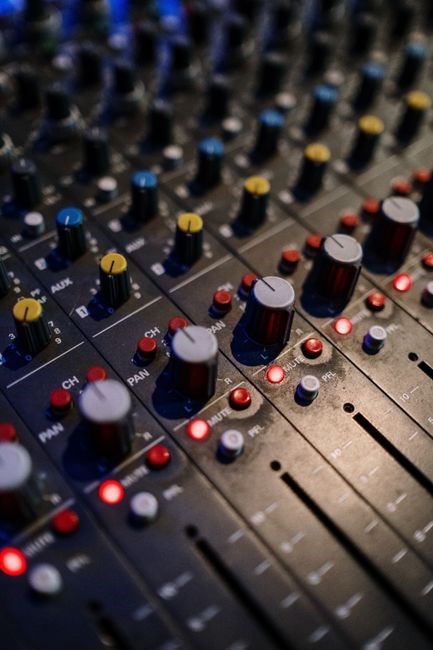
Check power‚ ground‚ and cable integrity. If channels mute‚ reset the console. For bus errors‚ verify bus connections and firmware version. Use the built‑in diagnostics; if the LED stays red‚ replace the power supply. Contact support for advanced troubleshooting
Contacting Allen & Heath Support and Community Resources

For assistance with the GL‑2400‚ Allen & Heath offers multiple support channels. The official website hosts a dedicated support portal where you can submit a ticket‚ download firmware updates‚ and access the latest service manuals in PDF format. Users can also call the toll‑free number 1‑800‑ALLEN‑HEATH (1‑800‑252‑4368) for real‑time help. The support team operates Monday‑Friday‚ 8:00 a.m. to 6:00 p.m. EST‚ with extended hours on weekends for urgent issues.
- Online Community: The Allen & Heath user forum (forum.allenheath.com) is a vibrant hub where technicians share troubleshooting tips‚ custom patch files‚ and firmware upgrade procedures. Members can search archived posts or start a new thread to get help from experienced users.
- Social Media: Follow Allen & Heath on Twitter (@AllenHeath) and Facebook (AllenHeath) for product announcements‚ maintenance reminders‚ and quick FAQ videos. Live Q&A sessions are held monthly.
When contacting support‚ have your GL‑2400 serial number‚ firmware version‚ and a concise issue description ready. Screenshots or error logs help resolve. Use the “GL‑2400” tag to target community. Check FAQ first for common solutions!!