




liftmaster professional 1/2 hp manual
LiftMaster Professional 1/2 HP Manual: A Comprehensive Guide
This manual provides essential guidance for the LiftMaster 1/2 HP garage door opener, model 1280, designed for residential use only.
It details safety precautions, assembly, maintenance, and troubleshooting, ensuring reliable and secure operation, complying with UL 325 regulations from January 1, 1993.
Always prioritize safety by reading this manual and keeping it accessible near the garage door for future reference and proper functionality.
Understanding Your LiftMaster 1/2 HP Opener
Your LiftMaster 1/2 HP garage door opener, specifically the 1280 model, is engineered for dependable residential use. This opener utilizes a robust motor to efficiently lift and lower your garage door, enhancing convenience and security. Understanding its core components and operational principles is crucial for safe and effective use.
The Protector System® is a vital safety feature, preventing the door from closing if obstructions are detected in its path. Proper alignment and connection of this system are non-negotiable for safe operation. Regular checks for sticking, binding, and balance are essential to maintain smooth functionality and prevent potential damage.
This manual serves as a comprehensive resource, detailing assembly procedures, periodic maintenance tasks, and troubleshooting steps. Familiarize yourself with the model number label location – under the light lens on the left side panel – for easy identification when seeking support or replacement parts. Remember, compliance with UL 325 regulations, effective since January 1, 1993, underscores the commitment to safety standards.
Model Series and Identification (1200 Series)
The LiftMaster Professional 1/2 HP opener you have is part of the 1200 Series, a line recognized for its reliability and residential application. Identifying your specific model within this series is crucial for accessing the correct support materials and replacement parts. The primary model number to recognize is 1280, representing a 1/2 HP configuration.
Locating the model number label is straightforward: it’s situated under the light lens on the left side panel of the opener unit. This label provides essential information for troubleshooting, ordering parts, and referencing the appropriate owner’s manual.
The 1200 Series openers adhere to stringent UL 325 compliance standards, effective January 1, 1993, ensuring a commitment to safety. Understanding your model series allows for targeted maintenance and repair, maximizing the lifespan and performance of your LiftMaster garage door opener system.
Safety Precautions and Warnings
Prior to installing or servicing your LiftMaster 1/2 HP garage door opener, carefully review all enclosed safety materials and this manual. Garage door systems involve high-tension springs and moving parts, presenting potential hazards if not handled correctly.
Always disconnect power to the opener before performing any maintenance or repairs. Never attempt to modify or disable the safety features, such as the Protector System®, as these are critical for preventing injuries.
Regularly inspect the garage door for proper balance and smooth operation. Do not operate the door if it sticks, binds, or exhibits unusual noises. Fasten this manual near the garage door after installation for easy access to these vital safety guidelines and operational instructions.
Important Safety Alert Symbols
Understanding the safety alert symbols is crucial for safe installation and operation of your LiftMaster 1/2 HP garage door opener. These symbols highlight potential hazards and provide warnings to prevent injury or damage.
A symbol indicating a potential electrical shock hazard signifies the need for extreme caution when working with electrical components. Another symbol warns of moving parts, emphasizing the importance of keeping hands and other body parts clear during operation and maintenance.
Pay close attention to symbols indicating a risk of crushing or pinching, as garage doors are heavy and can cause serious injuries. Review these symbols carefully before proceeding with any work on the opener or door system to ensure a safe and informed experience.
Garage Door Lock and Rope Safety
Disconnecting the garage door from the opener does not remove the spring tension. Therefore, always exercise extreme caution when operating a garage door with a manual lock or rope. Never attempt to unlock or release a locked garage door while the opener is still connected.
If your door has a manual release rope, ensure it is securely fastened and out of reach of children. A loose or accessible rope poses a significant safety hazard. Regularly inspect the rope for wear and tear, replacing it immediately if any damage is detected.
Do not use the rope to operate the door manually unless absolutely necessary. Prioritize safety and understand the risks associated with manual operation before proceeding.
Testing Door Balance and Operation
Before installing or servicing your LiftMaster opener, it’s crucial to test your garage door’s balance and operation. Disconnect the opener by pulling the emergency release cord. Manually operate the door halfway open and release it. If the door remains stationary, balance is good.
If the door rises or falls, adjust the spring tension. An improperly balanced door can cause serious injury. Carefully inspect the door for any signs of sticking or binding during operation. Address any issues before proceeding with installation.
Ensure smooth, effortless movement throughout the entire door travel. A properly functioning door is essential for safe and reliable opener performance. Refer to a qualified technician for spring adjustments if you are uncomfortable performing this task.
Checking for Sticking and Binding
Thoroughly inspect the garage door’s tracks for any obstructions, dents, or misalignment. These can cause significant sticking and binding during operation, potentially damaging the door or opener; Pay close attention to the rollers, ensuring they move freely within the tracks. Lubricate rollers and tracks with a silicone-based lubricant to promote smooth movement.
Examine the door hinges for tightness and proper alignment. Loose or misaligned hinges contribute to binding. Manually operate the door, observing any points where it hesitates or requires excessive force. Address these areas immediately.
A door that sticks or binds can strain the opener, leading to premature failure. Correcting these issues ensures safe, reliable, and efficient operation of your LiftMaster system.
Sectional Door Installation Illustration
The proper installation of a sectional garage door is crucial for optimal performance and safety with your LiftMaster opener. This illustration details the key steps, beginning with securely attaching the door panels to the tracks using appropriate hardware. Ensure each panel is aligned correctly and moves smoothly within the track system.
Pay close attention to the spring system, verifying it’s balanced and properly tensioned. Incorrect spring tension can lead to door imbalance and potential hazards. The illustration highlights the correct placement of the opener bracket and the connection point to the door.
Refer to the complete manual for detailed diagrams and torque specifications. Professional installation is recommended if you are unfamiliar with garage door mechanics.
One-Piece Door Installation Illustration
Installing a one-piece garage door requires specific considerations when paired with a LiftMaster opener. This illustration focuses on the reinforcement needed for these doors, as they lack the sectional support of multi-panel designs. Proper bracing is essential to prevent door warping or failure during operation.
The diagram showcases the correct mounting location for the opener bracket, emphasizing the need for solid attachment to the door structure. Ensure the bracket is securely fastened using appropriate hardware, capable of withstanding the door’s weight and movement. Carefully review the illustration for guidance on door alignment and track adjustments.
Professional installation is strongly advised for one-piece doors, due to the increased complexity and safety concerns.
Carton Inventory and Parts List
Upon receiving your LiftMaster 1/2 HP opener (Model 1280), carefully inspect the carton contents against the provided parts list. This ensures all necessary components are present before beginning installation. The list typically includes the opener unit itself, the T-rail sections, a belt, a belt cap retainer, mounting brackets, hardware kits, and safety sensors (Protector System®).
Verify the quantity of each item matches the inventory list. Note any discrepancies immediately and contact Chamberlain Group, Inc. for replacements. Retain the original packaging until installation is complete and you’ve confirmed all parts are accounted for.

Proper inventory management prevents delays and ensures a smooth installation process.
Assembly Instructions
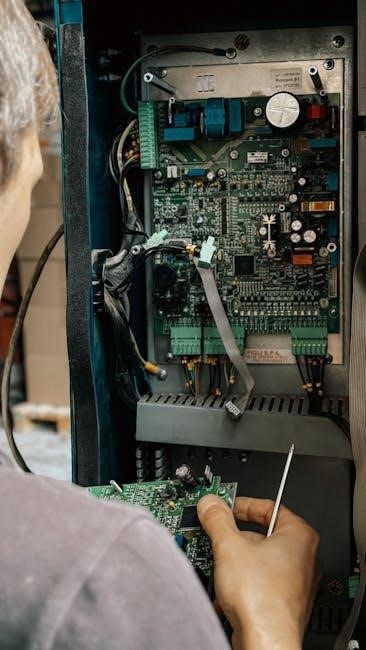
Begin the assembly process by carefully following these instructions, referencing the included illustrations for clarity. First, fasten the T-rail sections to the opener unit, ensuring secure alignment and proper support. Next, tighten the belt around the drive system, verifying appropriate tension for smooth operation.

Subsequently, attach the belt cap retainer to secure the belt and prevent slippage. Double-check all connections and fasteners to guarantee stability. Pay close attention to the orientation of each component as indicated in the diagrams.
Proper assembly is crucial for safe and reliable performance of your LiftMaster 1/2 HP opener.
Fastening the T-Rail to the Opener
Securely attaching the T-rail to the opener is a critical first step in the assembly process. Begin by aligning the T-rail sections with the mounting points on the opener unit, ensuring a flush and stable connection. Utilize the provided hardware – typically bolts and washers – to fasten the rail firmly in place.
Tighten the bolts gradually and evenly, avoiding over-tightening which could damage the rail or opener housing. Verify that the T-rail is straight and level, as any misalignment can affect the door’s operation. Double-check all connections to confirm they are secure before proceeding.
A properly fastened T-rail provides the necessary support for the drive system and ensures smooth, reliable movement.
Tightening the Belt
After installing the belt onto the drive system, proper tensioning is crucial for optimal performance. Begin by ensuring the belt is correctly seated within the grooves of the motor and door-end pulleys. Adjust the belt tension using the provided adjustment mechanism, typically a sliding motor mount or tensioner pulley.
Tighten the belt until it feels firm but not overly stressed; excessive tension can strain the motor and reduce its lifespan. A correctly tensioned belt will exhibit minimal slack when gently pressed between the pulleys. Verify the belt runs smoothly and doesn’t slip during operation.
Regularly check the belt tension and readjust as needed to maintain consistent and reliable garage door functionality.
Attaching the Belt Cap Retainer
Securing the belt cap retainer is a vital step in the assembly process, preventing accidental disengagement of the belt during operation. Locate the belt cap retainer, a small component designed to clip onto the end of the belt where it connects to the door-end pulley.
Ensure the belt is fully seated within the pulley’s groove before attaching the retainer. Carefully snap the retainer into place, verifying it securely holds the belt cap and prevents it from slipping off. A proper connection ensures consistent power transfer and smooth door movement.

Double-check the retainer’s attachment to confirm it’s firmly locked, contributing to the overall safety and reliability of the LiftMaster opener.
Protector System® Functionality
The LiftMaster Protector System® is a crucial safety feature designed to prevent the garage door from closing on obstructions. This system utilizes infrared beams between sensors positioned near the door opening.

If an object breaks the beam, the door will automatically reverse, preventing potential damage or injury. Proper alignment of the sensors is paramount for reliable operation; ensure the indicator lights are solid, signifying a connected and functioning system.

The door will not close unless the Protector System® is connected and correctly aligned. Regular testing of the system is recommended to confirm its continued effectiveness, safeguarding your family and property.
Always prioritize the Protector System’s functionality for safe garage door operation.
UL 325 Compliance and Regulations
The LiftMaster 1/2 HP garage door opener, specifically model 1280, is designed and manufactured to comply with Underwriters Laboratories (UL) 325 safety standards. These regulations are vital for ensuring the safe operation of garage door openers and minimizing potential hazards.
UL 325 compliance signifies that the opener has undergone rigorous testing to meet specific safety criteria, including obstruction detection, entrapment protection, and electrical safety. The effective date for these regulations, as referenced in the manual, is January 1, 1993.
Adherence to UL 325 standards demonstrates Chamberlain Group, Inc.’s commitment to product safety and consumer protection. It’s crucial to maintain the opener according to the manual’s instructions to ensure continued compliance and safe functionality.

Periodic Maintenance and Adjustments
To guarantee the continued safe and reliable operation of your LiftMaster 1/2 HP garage door opener (model 1280), regular maintenance and adjustments are essential. The manual emphasizes that periodic checks are required to uphold safe functionality over time.
This includes inspecting the door’s balance, ensuring smooth operation without sticking or binding, and verifying the proper alignment of the Protector System® sensors. Regularly check all fasteners to ensure they remain tight and secure.
Adjustments may be needed to the travel limits, force settings, or safety sensors as the door and opener components experience normal wear and tear. Consistent maintenance prevents potential issues and extends the lifespan of your LiftMaster opener.
Troubleshooting Common Issues
If your LiftMaster 1/2 HP opener (model 1280) experiences problems, several common issues can often be resolved with simple troubleshooting steps. First, verify the Protector System® sensors are correctly aligned and free from obstructions, as the door won’t close if they aren’t functioning properly.

Check the power supply and ensure the outlet is working. If the door reverses unexpectedly, adjust the force settings according to the manual’s instructions.
For issues with remote controls, replace the batteries or reprogram them to the opener. Inspect the door tracks for obstructions or damage that might cause binding. If problems persist, consult the full manual or contact Chamberlain Group, Inc. for assistance.
Locating the Model Number Label
Identifying your LiftMaster 1/2 HP opener’s model number is crucial for accessing the correct support resources and replacement parts. The model number label for the 1280 series is conveniently located on the opener unit itself, ensuring easy access when needed.
Specifically, you’ll find the label positioned under the light lens on the left side panel of the garage door opener. This label clearly displays the model number (1280) and other important specifications.
Having this information readily available will streamline any troubleshooting, maintenance, or repair processes. Refer to this location whenever contacting Chamberlain Group, Inc. or ordering parts to guarantee compatibility and efficient service.
Residential Use Only
This LiftMaster 1/2 HP garage door opener, specifically model 1280, is engineered and intended for residential applications exclusively. Its design and safety features are tailored to meet the demands of typical household garage doors and usage patterns.
Commercial or industrial use of this opener is strictly prohibited and may void any warranties or guarantees. Utilizing the opener in a non-residential setting could compromise its performance, longevity, and, most importantly, safety.
Adhering to this restriction ensures the opener functions as intended and provides reliable service for homeowners. The unit complies with UL 325 regulations effective January 1, 1993, specifically for residential garage door openers.
Manual Storage and Accessibility
To ensure continued safe and effective operation of your LiftMaster 1/2 HP garage door opener (model 1280), proper manual storage is crucial. Immediately after installation, securely fasten this owner’s manual in a readily accessible location near the garage door itself.
This convenient placement allows for quick reference during periodic maintenance, troubleshooting, or when explaining operation to family members. Maintaining easy access to the manual promotes informed usage and proactive safety checks.
Do not discard or misplace this document, as it contains vital safety information, assembly instructions, and details regarding UL 325 compliance. A well-preserved manual contributes to the longevity and reliable performance of your LiftMaster opener.
Chamberlain Group, Inc. Contact Information
For any inquiries, support needs, or warranty claims related to your LiftMaster Professional 1/2 HP garage door opener (model 1280), please contact Chamberlain Group, Inc., a DUCHOSSOIS ENTERPRISE. You can reach them at their corporate headquarters located at 845 Larch Avenue, Elmhurst, Illinois 60126-1196.
Chamberlain Group, Inc. is dedicated to providing excellent customer service and technical assistance. Their official website, https://www.liftmaster.com/, offers a wealth of resources, including frequently asked questions, troubleshooting guides, and downloadable manuals.
Additionally, you can find support articles at https://support.chamberlaingroup.com/s/article/LiftMaster-Model-Series-1200-Owner-s-Manual.
Publication Date and Revision History (Jan 1, 1993 & Sun, 30 Mar 2025)
This LiftMaster Professional 1/2 HP manual, pertaining to model 1280, initially adhered to UL 325 regulations effective January 1, 1993. This date signifies the original safety standards compliance for the garage door opener’s design and functionality;
The information contained within was last reviewed and updated on Sunday, March 30, 2025, at 11:21:02 GMT, as reflected in support documentation available at https://support.chamberlaingroup.com/s/article/LiftMaster-Model-Series-1200-Owner-s-Manual.
Revisions since the initial publication have incorporated user feedback, addressed common troubleshooting issues, and ensured continued alignment with current safety protocols; Please note earlier documentation, such as the manual dated Jan 1, 1993, may contain superseded information.