Search for:

2015 ford f150 manual

2015 Ford F-150 Manual: A Comprehensive Guide

The 2015 Ford F-150 manual is an indispensable resource for owners seeking in-depth knowledge about their vehicle. It provides detailed information on operation, maintenance, and troubleshooting. From basic functions to advanced features, it’s a valuable tool for informed ownership.

Availability of Owners Manuals

Finding the owner’s manual for your 2015 Ford F-150 is generally straightforward, thanks to several avenues of availability. Ford Motor Company provides digital versions of the owner’s manual on their official website. These are typically available in PDF format, which can be easily downloaded and accessed on computers, tablets, or smartphones. This provides a convenient and searchable resource for owners.

Many Ford F-150 owner forums and online communities also host links to downloadable manuals, often shared by fellow enthusiasts. These forums are also good for finding information. Physical copies of the owner’s manual can sometimes be found on sites like Amazon.

When obtaining a manual from a third-party source, ensure its authenticity and completeness. Verify that it specifically corresponds to the 2015 Ford F-150 model year to avoid discrepancies. The owner’s manual is an essential tool, offering detailed information about your vehicle’s specific features, operation, and maintenance schedule.

Downloadable PDF Versions

The convenience of downloadable PDF versions of the 2015 Ford F-150 owner’s manual cannot be overstated. These digital manuals offer accessibility and portability, allowing owners to carry a wealth of vehicle information on their devices. Ford’s official website is often the primary source for these PDFs, ensuring accuracy and completeness.

Several online platforms and Ford truck forums also provide links to downloadable manuals. However, it is crucial to exercise caution when using third-party websites, verifying the file’s authenticity and ensuring it is free from malware. PDF manuals are easily searchable, enabling users to quickly locate specific topics or keywords.

These manuals are an invaluable resource for troubleshooting issues, understanding vehicle features, and performing routine maintenance. By having a readily accessible PDF version on a smartphone or tablet, owners can consult the manual in any location, whether at home, in the garage, or on the road. The ability to zoom in on diagrams and illustrations further enhances the user experience.

Factory Service Manuals: Finding a Copy

Obtaining a factory service manual for the 2015 Ford F-150 can be a challenging but worthwhile endeavor for dedicated DIY mechanics. Unlike owner’s manuals, which provide basic operational information, factory service manuals offer comprehensive repair procedures, detailed diagrams, and precise specifications. These manuals are primarily intended for professional technicians, making them an invaluable resource for complex repairs and in-depth diagnostics.

When searching for a copy, start with official Ford dealerships or authorized service centers. They may sell physical or digital versions of the service manual. Online retailers specializing in automotive manuals are another potential source, but be sure to verify the seller’s credibility and ensure the manual covers the specific model year and engine configuration.

Online Ford truck forums can also be helpful, as members may share information or leads on where to find these manuals. Keep in mind that factory service manuals can be expensive, but the detailed information they provide can save time and money in the long run by enabling accurate and efficient repairs.

Content of the Service Manual

The 2015 Ford F-150 service manual is a comprehensive guide designed for technicians and experienced mechanics to perform detailed repairs and maintenance. Unlike the owner’s manual, which focuses on basic operation, the service manual delves into the intricate systems of the vehicle. It includes detailed procedures for diagnosing and resolving mechanical, electrical, and electronic issues.

The service manual contains exploded views, wiring diagrams, and component locations, providing a visual understanding of the vehicle’s assembly. Precise torque specifications, fluid capacities, and diagnostic trouble codes are also included. The manual covers various systems, such as the engine, transmission, braking system, suspension, and climate control.

Step-by-step instructions guide users through complex tasks like engine overhauls, transmission repairs, and electrical troubleshooting. The manual also provides information on special tools and equipment required for certain procedures. With its depth of detail, the 2015 Ford F-150 service manual is an essential resource for anyone seeking to perform advanced repairs on their vehicle.

Owner Experiences and Forum Discussions

Online forums dedicated to the 2015 Ford F-150 serve as invaluable platforms for owners to share their experiences and discuss various aspects of the vehicle, including insights related to the owner’s manual. These forums provide a space for users to exchange information on interpreting specific sections of the manual, troubleshooting common issues, and discovering helpful tips and tricks.

Owners often share their real-world experiences regarding maintenance procedures, recommended fluids, and DIY repairs, supplementing the information found in the manual. Forum discussions can shed light on the practical application of the manual’s instructions, offering alternative perspectives and solutions based on collective knowledge.

These platforms also enable owners to report discrepancies or errors they’ve encountered in the manual, fostering a collaborative environment for refining and clarifying its content. By engaging in forum discussions, owners can gain a deeper understanding of their F-150 and benefit from the shared expertise of the community, enhancing their ability to effectively utilize the owner’s manual.

Common Issues and Solutions in the Manual

The 2015 Ford F-150 owner’s manual addresses numerous common issues that owners might encounter, providing step-by-step solutions and troubleshooting guidance. It covers a range of problems, from warning lights and engine malfunctions to electrical issues and infotainment system glitches.

The manual outlines diagnostic procedures to help owners identify the root cause of a problem, empowering them to take appropriate action. It includes detailed instructions on performing basic maintenance tasks, such as checking fluid levels, replacing filters, and inspecting brakes, which can prevent many common issues from arising.

Furthermore, the manual provides information on addressing specific problems related to the F-150’s various systems, including the engine, transmission, and suspension. It offers guidance on interpreting diagnostic trouble codes (DTCs) and troubleshooting procedures for resolving them. By consulting the owner’s manual, owners can often resolve minor issues themselves, saving time and money on repairs. However, it’s essential to consult a qualified technician for more complex problems.

Auto Start-Stop System Operation

The 2015 Ford F-150’s Auto Start-Stop system is detailed within the owner’s manual, explaining its operation, benefits, and potential drawbacks. This system is designed to improve fuel economy by automatically shutting off the engine when the vehicle comes to a complete stop under certain conditions.

The manual clarifies the specific criteria that must be met for the system to engage, such as engine temperature, ambient temperature, and battery charge level. It also outlines the various scenarios in which the Auto Start-Stop system may not activate, ensuring drivers understand its limitations.

The manual also addresses the driver’s ability to disable the Auto Start-Stop system via a dedicated button, providing flexibility based on individual preferences and driving conditions; It includes information on restarting the engine seamlessly when the driver releases the brake pedal, ensuring a smooth and responsive driving experience. Furthermore, the manual explains the system’s impact on various vehicle components, such as the starter motor and battery, and how Ford has engineered these parts to withstand the increased demands of frequent start-stop cycles.

Maintenance Information

The 2015 Ford F-150 owner’s manual dedicates a significant portion to crucial maintenance information, ensuring owners can properly care for their vehicles. This section provides detailed schedules for routine services like oil changes, filter replacements, and fluid checks, tailored to different driving conditions and usage patterns.

The manual specifies recommended oil types, fluid specifications, and part numbers to ensure compatibility and optimal performance. It includes instructions for performing basic maintenance tasks, such as checking fluid levels and inspecting belts and hoses, empowering owners to proactively identify potential issues.

Furthermore, the manual outlines the importance of regular tire rotations and alignments for even wear and extended tire life. It also addresses the maintenance requirements for specific components like the braking system, including inspecting brake pads, rotors, and fluid levels. Owners can find guidance on maintaining the vehicle’s exterior, including washing, waxing, and protecting the paint from environmental damage. By following the comprehensive maintenance schedule and guidelines, owners can ensure the longevity, reliability, and optimal performance of their 2015 Ford F-150.

stack on gun safe manual

Stack-On Gun Safe Manual⁚ A Comprehensive Guide

This guide provides a complete overview of your Stack-On gun safe․ Learn about safe operation, combination changes (if applicable), troubleshooting, maintenance, warranty details, and crucial safety precautions․ Find instructions for part replacements and secure installation․ Information on advanced features, if present, is also included․

Locating and Using Your Manual

Your Stack-On gun safe’s manual is crucial for safe and proper operation․ It contains essential information for setup, use, and maintenance․ The manual should have been included with your safe upon purchase․ Check the packaging materials thoroughly; it may be nestled amongst the foam padding or in a separate compartment․ If you can’t locate it in the original packaging, don’t worry! Many manufacturers provide manuals online․ Visit the Stack-On website and navigate to their support or downloads section․ You’ll typically need to input your model number for accurate results; The model number is usually found on a sticker affixed to the safe itself, often on the inside of the door or the back exterior․ Once located, carefully read through the manual before operating the safe․ Pay close attention to the safety warnings and instructions․ Familiarizing yourself with the manual will ensure your safe is used correctly and your valuables remain secure․ Remember, keeping the manual in a safe, accessible place is highly recommended for future reference․

Understanding Basic Safe Operation⁚ Opening and Closing

Operating your Stack-On gun safe correctly is paramount for security and ease of access․ Begin by understanding your safe’s locking mechanism; this will typically be either a key lock, a combination lock, or an electronic lock․ For key locks, simply insert the key into the keyhole and turn it clockwise to unlock․ For combination locks, refer to your manual for specific instructions on entering the correct sequence․ Electronic locks usually require entering a numerical code via a keypad․ Consult your manual for the default code or instructions on changing the code․ Once the locking mechanism is disengaged, gently pull the door open․ Avoid forceful actions which could damage the safe or its components․ To close the safe, simply push the door firmly until it latches securely․ You should hear a distinct click indicating that the locking mechanism has engaged․ If you are using a combination or electronic lock, ensure that you have correctly entered and confirmed your code before leaving the safe closed․ Regularly test your safe’s operation to ensure the mechanism functions smoothly and securely․ If you experience any difficulties, consult your manual or contact Stack-On customer support․

Changing the Combination (if applicable)

Changing your Stack-On gun safe’s combination enhances security by preventing unauthorized access․ The process varies depending on your safe’s model․ Consult your owner’s manual for precise instructions specific to your safe․ Generally, electronic locks involve a sequence of button presses and code entries․ You may need to access a programming mode, often requiring the current combination․ Then, the manual will guide you through entering the new combination, confirming it, and exiting the programming mode․ For combination dial locks, the procedure usually involves opening the safe, locating a small reset button or lever often hidden behind the door, and following the steps outlined in your manual․ This often involves turning the dial through specific sequences to activate the combination change․ Remember to write down your new combination and store it in a safe, separate location from the safe itself․ Never store the combination inside the safe․ If you encounter difficulties, it’s advisable to consult your owner’s manual or contact Stack-On customer support for assistance․ Incorrectly following the instructions might lead to the safe becoming inoperable, requiring professional intervention․

Troubleshooting Common Issues

Experiencing problems with your Stack-On gun safe? This section addresses common issues․ A frequent problem is difficulty opening the safe due to an incorrect combination or electronic malfunction․ Double-check your combination carefully, ensuring accurate entry․ For electronic locks, low batteries are a common culprit․ Replace batteries with fresh ones, following the instructions in your manual․ If the problem persists, ensure the batteries are correctly installed and facing the proper direction․ Sometimes, the safe’s mechanism might become jammed․ Examine the locking bolt mechanism for any obstructions․ If you observe any binding or unusual resistance, avoid forcing the safe open, as this could cause damage․ Instead, consult your owner’s manual or contact Stack-On customer service․ If your safe is equipped with a biometric lock, fingerprint registration issues could arise․ Refer to your manual’s instructions for re-registering fingerprints and resolving any errors․ Remember, attempting to force the lock open might damage the safe, potentially voiding your warranty․ Always prioritize safety and contact Stack-On’s support for guidance before undertaking any repairs yourself․

Maintaining Your Safe⁚ Cleaning and Care

Regular maintenance ensures your Stack-On gun safe remains in optimal condition and provides lasting protection for your valuables․ Avoid using harsh chemicals or abrasive cleaners, which can damage the safe’s finish․ A soft, damp cloth is generally sufficient for cleaning the exterior․ For stubborn stains, a mild soap solution can be used, but always rinse thoroughly with clean water and dry completely afterward․ Pay attention to the hinges and locking mechanism; these areas can accumulate dust and debris․ Use a soft-bristled brush or compressed air to remove any accumulated particles․ Periodically inspect the interior for any signs of rust or corrosion․ If found, gently clean the affected area with a rust remover suitable for metal surfaces, ensuring you follow the product’s instructions carefully․ For safes with electronic components, avoid excessive moisture or exposure to extreme temperatures․ Keep the interior dry to prevent rust and damage to stored items․ Humidity can affect the safe’s performance and the condition of your valuables․ Consider using a desiccant pack to absorb excess moisture in very humid environments․ Remember, proper care enhances your safe’s longevity and effectiveness․ Refer to your owner’s manual for specific cleaning instructions for your Stack-On model․

Warranty Information and Registration

Registering your Stack-On safe is crucial for activating your warranty and ensuring swift service should any issues arise․ The warranty period varies depending on the model and may cover defects in materials and workmanship for a specified time from the original purchase date․ This warranty typically extends only to the initial consumer․ To register, you’ll usually need to provide personal information and details about your safe, such as the model number and serial number․ This information is often found on a sticker located on the safe itself․ Keep your proof of purchase handy, as it will be needed to validate your warranty claim․ Your warranty information, including specific terms and conditions, is detailed in your owner’s manual․ Familiarize yourself with these details, as they outline the manufacturer’s responsibilities regarding repairs, replacements, or refunds in case of defects․ Note that certain damages, such as those caused by misuse, neglect, or unauthorized repairs, may not be covered under the warranty․ Prompt registration not only protects your investment but also streamlines the process of receiving warranty service if necessary․ Contact Stack-On customer support if you have any questions regarding the warranty or registration process; they can assist you with any uncertainties․

Replacement Parts and Key Ordering

Should you require replacement parts or a new key set for your Stack-On safe, the process is generally straightforward․ Your owner’s manual may include instructions or contact information for ordering replacements․ Often, a form will need to be completed with details of your safe model and the specific parts or keys required․ This form might request your contact information and proof of purchase․ Stack-On may also require the safe’s serial number, which is usually found on a sticker affixed to the safe itself․ For keys, you might need to provide information on the type of lock mechanism your safe uses․ Electronic locks require different procedures compared to mechanical combination locks․ If the manual doesn’t provide direct ordering instructions, contacting Stack-On customer support directly is the best approach․ They can guide you through the process, providing information on available parts and the necessary steps for ordering․ Expect to provide details about your safe’s model, serial number, and the specific parts you need․ There may be associated costs for replacement parts and keys, depending on the item and the reason for replacement․ Be prepared to provide payment information when placing your order․ Remember to keep a copy of your order confirmation for your records․

Safety Precautions and Important Warnings

Prioritize safe handling and storage practices․ Never leave the combination or keys within the safe; keep them in a separate, secure location inaccessible to children․ Regularly inspect your safe for any signs of damage or wear and tear․ Address these issues promptly to prevent malfunctions or security breaches․ Always ensure the safe is properly secured to a fixed object, like a wall or floor, using appropriate anchoring hardware․ This prevents theft or unauthorized access․ Never attempt to force the safe open; this can cause damage and compromise its security features․ If you encounter issues opening your safe, consult the troubleshooting section of the manual or contact Stack-On customer support․ Remember, firearms require responsible handling․ Store firearms unloaded and separately from ammunition․ If you have children, ensure the safe is out of their reach and that they understand the dangers of firearms․ Follow all local and state laws regarding firearm storage and safety․ Never tamper with the safe’s locking mechanism or attempt to bypass the security features․ This will void any warranty and could seriously compromise the safe’s functionality․ Remember, your safe is designed to protect your valuables, and its effectiveness depends on proper use and maintenance․

Installing Your Safe Securely

Secure installation is crucial for optimal protection․ Choose a location that is dry, well-ventilated, and away from direct sunlight or excessive heat․ Avoid areas prone to flooding or moisture․ For added humidity control, consider using a desiccant, but do not drill holes in the safe for electrical dehumidifying devices․ Similarly, avoid drilling through the insulation in the rear vent holes․ Before beginning installation, carefully review the safe’s dimensions and weight to ensure your chosen location can support it․ Use appropriate anchoring hardware to secure the safe to a wall or floor․ The type and quantity of hardware will depend on the safe’s weight and the construction of the wall or floor․ Consult a professional if you are unsure about the appropriate anchoring methods․ Ensure the bolts or screws are securely fastened to prevent the safe from being easily moved or removed․ Once the safe is anchored, test its stability by attempting to move or rock it․ If there is any movement, re-tighten the fasteners or consider additional anchoring points․ Proper installation not only prevents theft but also protects against accidental tipping or damage․ After installation, check the safe’s functionality to ensure it opens and closes smoothly․ If you encounter any difficulties, refer to the troubleshooting section of this manual or contact Stack-On customer support․

Advanced Features (if applicable, e․g․, biometric locks)

Depending on your Stack-On safe model, you may have advanced features enhancing security and convenience․ Some models incorporate biometric fingerprint locks, offering a quick and secure access method․ To enroll fingerprints, refer to the specific instructions provided with your safe․ Typically, this involves pressing a reset button, then scanning your fingerprint multiple times until it’s successfully registered․ The number of fingerprints your safe can store varies by model; check your manual for the exact capacity․ Remember to periodically check the functionality of your biometric lock․ If the lock fails to recognize your enrolled fingerprint, ensure the sensor is clean and free of debris․ Low battery power can also interfere with biometric lock performance; replace batteries as needed․ Electronic keypad locks may also offer features like programmable codes and audible alerts․ Consult your manual for detailed instructions on programming new codes, adjusting sound settings, and troubleshooting any issues․ For safes with electronic locks, always keep extra batteries on hand to prevent being locked out․ Regularly testing all features ensures your safe’s continued reliability․ If you encounter difficulties with any advanced features, always consult the troubleshooting section of this manual before contacting customer support․ Proper maintenance extends the lifespan and reliability of your safe’s advanced functionalities․

arrow t50 electric staple gun manual

Arrow T50 Electric Staple Gun⁚ A Comprehensive Guide

This guide provides a complete overview of the Arrow T50 electric staple gun, encompassing its various models (T50AC, T50DCD, etc.), operation, maintenance, safety, troubleshooting, and staple selection. Discover its diverse applications and compare it to other staple guns. Learn where to purchase and obtain replacement parts, plus warranty details and advanced professional techniques.

The Arrow T50 represents a range of heavy-duty staple guns renowned for their robust construction and reliable performance. A staple in countless workshops and homes for decades, the T50’s popularity stems from its versatility and ease of use. Available in both manual and electric versions (like the T50AC and T50DCD), these tools are designed to handle a wide variety of fastening tasks. The manual T50 boasts an all-chromed steel housing, a jam-resistant mechanism, a powerful coil spring, a staple viewing window, and hardened steel working parts, ensuring longevity and durability. Its simple design makes it ideal for various applications, from upholstery and picture framing to general repairs and DIY projects. The electric models offer increased power and speed, perfect for professionals or those tackling larger projects. Regardless of the model, the T50’s consistent performance and ability to handle various staple sizes make it a preferred choice among professionals and DIY enthusiasts alike. This manual will guide you through the safe and effective use of your Arrow T50 staple gun, maximizing its capabilities and ensuring your projects are completed efficiently and safely.

Safety Precautions and Warnings

Before operating your Arrow T50 staple gun, carefully review these crucial safety precautions. Always wear appropriate eye protection to shield against potential staple misfires or debris. Ensure the work area is well-lit and free of obstructions to prevent accidents. Never point the staple gun at yourself or others. Keep fingers and other body parts clear of the firing mechanism. Always disconnect the power cord before performing any maintenance or cleaning. For electric models, use only the specified voltage and avoid using extension cords exceeding 100 feet in length, as this can affect performance and safety. Never use the tool near flammable materials or in explosive environments. Inspect the staple gun before each use for damage or wear and tear. Replace worn or damaged parts immediately. If the tool malfunctions, discontinue use and contact customer support or a qualified technician. Never attempt to modify or repair the staple gun unless you are properly trained and qualified. Remember to follow all instructions detailed in this manual and always prioritize safety. Improper use can lead to serious injury. Always consult the manual before beginning any project, and if unsure, seek assistance from a qualified professional.

Operating Instructions⁚ Loading Staples and Firing the Gun

Loading staples into your Arrow T50 varies depending on the model. For bottom-loading models like the T50AC, turn the tool upside down and locate the staple magazine. Insert the staple strip, ensuring it’s properly aligned. A visual indicator might show the staple level. For other models, consult your specific manual as loading mechanisms may differ. Once loaded, place the staple gun firmly against the work surface. Depress the safety contact at the front of the tool, ensuring firm contact before firing. This activates the firing mechanism. For electric models, the trigger will fire a staple. For manual models, a firm squeeze of the handles will drive the staple. Always maintain firm contact with the surface to ensure proper staple placement and avoid misfires. To remove jammed staples, refer to the troubleshooting section of your manual. Never force the mechanism or attempt to remove staples with sharp objects. Practice on scrap material before working on your final project. Mastering the firing technique will lead to consistent and accurate stapling. The process is straightforward but requires careful attention to detail for optimal performance and safety.

Different Arrow T50 Models⁚ T50AC, T50DCD, and Others

The Arrow T50 line boasts several models, each with unique features. The T50AC, a corded electric staple gun, is known for its consistent power even on long extension cords thanks to its innovative motor drive. This model is ideal for professional use, handling various applications from general repairs to upholstery and picture framing. Its bottom-load magazine makes reloading efficient. The T50DCD, a cordless option, offers portability and convenience with its 3.6V Lithium-ion battery, providing up to 500 shots per charge. This lightweight design makes it suitable for various tasks where mobility is crucial. Other models might include variations in power source, staple capacity, or ergonomic features. Always check the specific model number and consult the relevant instruction manual for detailed information about loading, operation, and maintenance. Understanding the specific features of your chosen model ensures you maximize its potential and achieve optimal results. Remember to select the model that best aligns with your needs and project requirements for efficiency and effectiveness.

Troubleshooting Common Issues

Addressing common problems with your Arrow T50 electric staple gun often involves simple solutions. If the gun fails to fire, first check the power source (if corded) or battery charge (if cordless). Ensure the staple magazine is properly loaded with the correct size and type of Arrow T50 staples; using incorrect staples can cause jams. Examine the staple track for obstructions; a jammed staple needs to be cleared. Inspect the contact safety; if it’s not fully depressed, the gun won’t fire. If staples are misfiring or not penetrating deeply enough, adjust the depth setting or use a longer staple leg length. If the motor sounds strained or overheats, allow the tool to cool down before continued use and check for any binding in the mechanism. Persistent issues might indicate a more serious mechanical problem requiring professional servicing or repair. Consult the detailed troubleshooting section within your specific Arrow T50 model’s manual for detailed instructions and diagrams. Remember, preventative maintenance, including regular cleaning, significantly reduces the likelihood of malfunctions.

Maintenance and Cleaning

Regular maintenance of your Arrow T50 electric staple gun is crucial for optimal performance and longevity. After each use, remove any leftover staples from the magazine and staple track. Use a soft brush or compressed air to gently clean out any debris or dust accumulated inside the tool’s mechanism. Avoid using harsh chemicals or solvents, as these could damage the tool’s components. For more thorough cleaning, periodically disassemble the tool (refer to your specific model’s manual for instructions), and carefully wipe down all parts with a clean, dry cloth. Lubricate moving parts sparingly with a light machine oil; excessive lubrication can attract dust and debris. Inspect the staple pusher and ensure it moves freely. Check for any signs of wear or damage; replace worn or broken parts promptly. If the gun is corded, inspect the power cord for any fraying or damage. Store your Arrow T50 in a clean, dry location, away from extreme temperatures and moisture. Remember, preventative maintenance is key to avoiding major repairs and extending your staple gun’s operational lifespan. Proper cleaning and care will ensure your tool delivers consistent performance over time.

Choosing the Right Staples⁚ Sizes and Types

Selecting the appropriate staples is paramount for achieving optimal results with your Arrow T50. The T50 series is renowned for its compatibility with a range of staple sizes, typically from 1/4 inch to 9/16 inch. The choice depends largely on the material you’re fastening and its thickness. Thinner materials, such as fabric or light cardboard, require shorter staples, while thicker materials like wood or insulation demand longer ones. Consider the hardness of the material as well; denser materials may necessitate longer staples for secure fastening. Arrow T50 staples are specifically engineered for this tool, ensuring proper fit and reliable performance. Using non-Arrow staples can lead to jams and malfunctions. The staple’s leg length is crucial; too short, and the staple won’t penetrate sufficiently; too long, and it might pierce through the material, creating an unsightly finish or even causing damage. Always refer to your Arrow T50 manual for a detailed chart specifying the recommended staple sizes for various applications. Investing in high-quality Arrow T50 staples will prevent jams, maximize fastening power, and extend the lifespan of your tool.

Applications and Uses of the Arrow T50

The Arrow T50’s versatility makes it an indispensable tool for a wide array of tasks. Its robust construction and powerful mechanism are ideal for heavy-duty applications, while its precision ensures clean, reliable fastening in delicate work. Professionals frequently use the T50 for upholstery, securing fabric to furniture frames, and for picture framing, neatly attaching backing and securing artwork. In construction and general repairs, it’s invaluable for fastening insulation, attaching trim, and securing various materials in various projects. DIY enthusiasts also find the T50 indispensable for home improvement projects, crafting, and various other tasks around the house. Its ability to handle a range of materials, from wood and foam to fabric and carpet, makes it a true all-purpose tool. The T50’s compact size and ease of use allow for maneuverability in tight spaces, making it suitable for intricate projects where precision is key. Whether you’re a professional contractor or a homeowner tackling a weekend project, the Arrow T50 offers the power and versatility to complete the job efficiently and effectively. Its widespread use highlights its reputation for reliability and performance.

Comparison with Other Staple Guns

The Arrow T50 distinguishes itself from other staple guns through a combination of power, durability, and versatility. While many manual staple guns offer affordability, they often lack the consistent power and ease of use provided by the T50’s electric motor. Compared to other electric models, the T50 often boasts superior build quality, featuring a robust all-chromed steel housing and jam-resistant mechanisms, ensuring longevity and reliable performance even under heavy use. Its ability to accommodate a wider range of staple sizes than many competitors enhances its adaptability to diverse projects. Some cordless options might offer portability, but they may compromise power or require frequent recharging, unlike the consistent performance of the corded T50. The T50’s jam-resistant design minimizes downtime compared to some other models prone to jamming, especially when working with denser materials. While higher-end models might offer specialized features like adjustable depth settings or pneumatic power, the T50’s balance of power, reliability, and ease of use makes it a strong contender for various applications, providing exceptional value for both professional and DIY use. The T50’s reputation for reliability and performance sets it apart in the marketplace.

Where to Buy and Find Replacement Parts

Acquiring the Arrow T50 electric staple gun and its replacement parts is straightforward. Major online retailers such as Amazon and Walmart often stock the T50, alongside various models like the T50AC and T50DCD. Home improvement stores, including Lowe’s and Home Depot, typically carry the staple gun as well, offering the convenience of in-person browsing and purchase. For those preferring a more specialized selection, visiting online tool suppliers or contacting Arrow Fastener directly can yield comprehensive results, potentially including limited-edition models or discontinued items. Regarding replacement parts, the official Arrow Fastener website is a primary resource for locating specific components. Their website typically offers diagrams and part numbers to ensure accurate ordering. Many online retailers that sell the T50 also offer common replacement parts like staples and internal components. Local hardware stores might also carry staple refills, offering a quicker option for immediate needs. Remember to always specify the exact T50 model when ordering parts to ensure compatibility. Always source parts from reputable dealers to guarantee authenticity and quality.

Understanding the Warranty Information

The Arrow T50 electric staple gun typically comes with a limited warranty, the specifics of which can vary depending on the model and retailer. Consult your product packaging or the Arrow Fastener website for the most accurate and up-to-date information. Generally, warranties cover manufacturing defects in materials and workmanship under normal use and conditions. The duration of the warranty period is usually stated clearly in the warranty documentation; it might range from one to two years, or even longer in some cases. Warranty claims may require proof of purchase, such as a receipt or invoice, along with a description of the defect. It’s crucial to carefully read the terms and conditions outlined in the warranty document, as they may include exclusions and limitations. These might include damage caused by misuse, neglect, unauthorized repairs, or normal wear and tear. Before attempting any repairs yourself, contact Arrow Fastener’s customer service or refer to the troubleshooting section of your manual. Unauthorized repairs could void your warranty. Keep your warranty information in a safe place, easily accessible should you need to make a claim. Contacting Arrow Fastener customer support directly can provide clarification on warranty details specific to your purchased model and address any uncertainties.

Advanced Techniques and Tips for Professionals

For professionals, mastering the Arrow T50 involves understanding material nuances. Different wood densities require varying staple lengths for optimal hold. Hardwoods might need longer staples to penetrate effectively, while softer woods may require shorter ones to prevent splitting. Experimentation with staple length is key to achieving consistent results. Pre-drilling pilot holes in denser materials can prevent bending or breaking staples, leading to cleaner, more professional results. When working with upholstery, using consistent pressure and maintaining a steady rhythm minimizes staple damage to the fabric. A smooth, even stapling technique is crucial for professional-looking finishes. For intricate projects requiring precise placement, consider using a template or guide to ensure accuracy. Maintaining a sharp, clean staple gun is critical for consistent performance and avoids misfires or jams. Regular cleaning and lubrication, as outlined in the manual, are essential for longevity. For heavy-duty tasks, invest in a high-quality compressor or power source to maintain consistent power output, maximizing the tool’s effectiveness and reducing fatigue. Consider ergonomic factors; prolonged use necessitates proper posture and hand placement to avoid strain. Mastering these techniques will transform your Arrow T50 into a precision instrument capable of handling a wide range of professional applications.

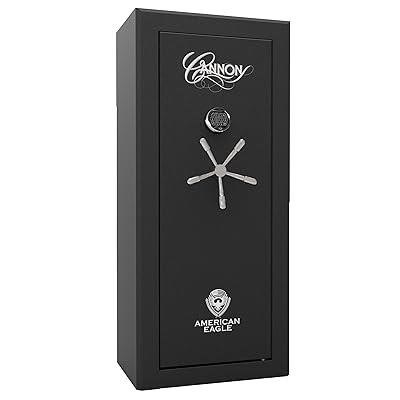
cannon gun safe owner’s manual

Cannon Gun Safe Owners Manual⁚ A Comprehensive Guide

This manual provides comprehensive instructions for your Cannon gun safe. Learn about its various locking mechanisms, including mechanical, electronic, and combination locks. Discover how to program codes, troubleshoot issues, maintain functionality, and access online resources and customer support. Ensure safe and secure use of your valuable asset.

Understanding Your Safe’s Locking Mechanisms

Your Cannon gun safe likely employs a sophisticated multi-locking system for enhanced security. Understanding each component is crucial for proper operation and maintenance. The most common types include mechanical, electronic, and combination locks, often working in concert. The mechanical lock, typically a dial-type combination lock, offers a robust and reliable backup system, independent of power. The electronic lock provides convenience through digital code entry, often with features like programmable access codes and audible alerts. Lastly, the combination lock, whether mechanical or electronic, adds another layer of security by requiring a specific sequence of numbers or actions to unlock the safe. Knowing how these systems interact is key to preventing issues and ensuring the safe’s continued functionality. This knowledge empowers you to utilize your safe’s security features effectively and respond to any unexpected problems. Refer to the specific instructions for your model for detailed diagrams and operational guidelines.

Mechanical Lock Operation and Maintenance

The mechanical lock on your Cannon safe is a crucial security feature. Understanding its operation is vital for safe and efficient use. To open, carefully dial the combination, turning slowly and steadily in the correct direction. Avoid rapid movements or reversing direction mid-combination, as this may cause the lock to bind or jam. Regular lubrication is key to maintaining the lock’s smooth operation. Use a high-quality lock lubricant, applied sparingly to moving parts. Avoid excessive lubrication, which can attract dust and debris. Periodically inspect the lock for any signs of wear or damage, such as loose components or scratches on the dial. If you notice any issues, consult a qualified locksmith or contact Cannon Safe customer service for assistance. Remember, attempting repairs without proper knowledge could compromise the security of your safe. Proper maintenance will ensure the longevity and reliable performance of your safe’s mechanical locking system, providing years of dependable protection for your valuables.

Electronic Lock Programming and Troubleshooting

Your Cannon safe’s electronic lock offers advanced security features, but proper programming and troubleshooting knowledge are essential. Initially, the safe may have a factory-set code (often 1-2-3-4-5-6), which should be changed immediately for enhanced security. The programming process usually involves entering the current code, then following the prompts to set a new, personalized code. Remember to choose a code that’s easy for you to remember but difficult for others to guess. Avoid using common sequences like birthdays or anniversaries. If you encounter issues, such as an incorrect code entry or a malfunctioning keypad, consult the troubleshooting section of your manual. Common problems might include low battery indicators (often signaled by repeated beeps), which require battery replacement. If the problem persists, ensure the keypad is clean and free from obstructions. If you’re still unable to resolve the issue, contact Cannon Safe’s customer service for assistance. They can provide expert guidance and potentially arrange repair or replacement if needed. Always refer to your specific safe’s model manual for detailed instructions and troubleshooting steps.

Combination Lock Setup and Code Changes

Many Cannon safes utilize combination locks, offering a high level of security. The initial setup often involves a factory-preset code (commonly 1-2-3-4-5-6), which must be changed immediately upon receiving your safe. This is crucial for preventing unauthorized access. To change the combination, you’ll typically need to follow a specific sequence of steps. First, open the safe using the factory code. Then, locate the combination dial and follow the instructions in your manual to enter the old code and subsequently set a new one. Remember, accuracy is paramount. Slowly and deliberately turn the dial to the correct numbers, avoiding any abrupt movements or backtracking. If an error is made during code entry, reset the lock and start again from the beginning. Choose a new combination that is memorable to you but difficult for others to guess. Avoid easily guessable sequences such as birthdays, anniversaries, or simple numerical patterns. After changing the combination, test it several times to ensure it functions correctly. Keep a record of your new combination in a secure, separate location, away from the safe itself. If you forget your combination, contacting Cannon Safe’s customer service might be necessary for assistance. Always refer to your manual for model-specific instructions.

Factory Preset Code and Security Best Practices

Your Cannon safe likely ships with a factory-preset combination, often a simple sequence like 1-2-3-4-5-6. This is a temporary code and should be changed immediately upon receiving your safe. Failing to change this default code significantly compromises your security. The responsibility for creating and safeguarding your new combination rests solely with you. Once changed, keep your new combination in a safe place, separate from the safe itself. Avoid using easily guessable sequences, such as birthdays, anniversaries, or consecutive numbers. A strong combination incorporates a random mix of numbers to increase resistance against unauthorized access attempts. Regularly reviewing and potentially changing your combination further enhances security. Consider using a combination that’s difficult to remember without writing it down, forcing you to refer to your secure record. This layered approach increases the difficulty for intruders. When inputting your combination, do so slowly and deliberately, paying close attention to each number. Avoid hasty actions that may lead to errors and potential lockouts. Always consult your owner’s manual for model-specific instructions and best practices. Remember, a secure combination, properly changed, is the first line of defense against theft;

Important Safety Precautions and Warnings

Prior to using your Cannon gun safe, carefully review all safety instructions within this manual. Never attempt to force the lock; this can damage the mechanism and compromise security. If you encounter difficulties opening the safe, refer to the troubleshooting section or contact Cannon Safe customer service for assistance. Improper handling can lead to injury; always exercise caution when operating the safe. Children should never be left unsupervised near the safe. The safe should be installed in a stable, level location, away from direct sunlight or extreme temperatures. Ensure adequate ventilation to prevent overheating. Regularly inspect the safe for any signs of damage or wear and tear. Address any issues promptly. Remember, the safe’s weight necessitates careful handling during installation and relocation; seek assistance if needed. Avoid placing excessive weight on the safe’s top surface. Always use caution and follow the manufacturer’s guidelines for proper maintenance and operation to ensure the longevity and security of your safe. Misuse can lead to damage or malfunction, potentially compromising the safe’s ability to protect your valuables. In the event of any unusual occurrences or malfunctions, immediately discontinue use and contact Cannon Safe customer service for assistance.

Battery Replacement and Low Battery Indicators

Your Cannon safe’s electronic lock utilizes batteries, and knowing how to replace them is crucial for continued access. A low battery warning system is incorporated to alert you before the batteries fail completely. This typically manifests as repeated beeping during the unlocking process. When this occurs, promptly replace the batteries to avoid being locked out. Before replacing batteries, ensure the safe is unlocked. The battery compartment is usually located within the lock mechanism; consult the diagram in this manual for precise location. Use only the recommended battery type and size to ensure optimal performance and avoid damage to the electronic components. Incorrect battery installation could lead to malfunction. Carefully insert the new batteries, paying close attention to polarity (+ and -) markings. Once replaced, test the lock immediately to confirm functionality. Keep extra batteries on hand to facilitate quick replacement should the need arise. Regularly check the battery level, even if no warning has been issued, to prevent unexpected lockouts. Note the battery type and lifespan so you can replace them proactively. Proper battery maintenance helps ensure your safe remains accessible.

Maintaining Your Safe’s Functionality

Regular maintenance ensures your Cannon safe operates optimally and remains a reliable security solution. While Cannon safes are built to last, consistent care enhances their longevity and performance. Periodically inspect the exterior for any signs of damage or wear, such as scratches, dents, or rust. Address any issues promptly to prevent further deterioration. Lubricate the locking mechanism, following the manufacturer’s recommendations. This helps ensure smooth operation and prevents binding or jamming. The frequency of lubrication depends on usage; consult the lubrication section in this manual for specific guidance. Clean the exterior of the safe regularly with a soft, damp cloth. Avoid harsh chemicals or abrasive cleaners that could damage the finish. Do not use excessive force when opening or closing the safe door. Gentle handling prevents undue stress on the locking mechanism and hinges. Keep the interior of the safe clean and dry; Avoid storing items directly against the interior walls to ensure adequate air circulation. Regularly check the condition of the fire-resistant materials if your safe has fire protection features. Inspect gaskets and seals to ensure proper sealing to maintain fire resistance. Proactive maintenance will extend the life and reliability of your Cannon safe.

Troubleshooting Common Issues and Solutions

This section addresses common problems encountered with Cannon gun safes and provides practical solutions. If the electronic lock malfunctions, check the batteries first. Replace them if necessary, following the instructions in the battery replacement section. If the problem persists, try reprogramming the code. If you have forgotten your code and it’s a combination lock, consult the combination lock setup section for resetting procedures. If the safe door becomes difficult to open or close, inspect the hinges and locking bolts for any obstructions or damage. Lubricate the mechanism to alleviate stiffness, ensuring smooth operation. If the mechanical lock jams, avoid excessive force. Attempt gentle manipulation while referring to the mechanical lock operation section for guidance. For persistent issues, contact Cannon Safe customer service for expert assistance. Remember, attempting forceful entry can cause damage. If the safe is not responding to any input, check the power supply or batteries and ensure connections are secure. Before contacting support, try the basic troubleshooting steps outlined here. If the problem continues, detailed information, including the safe model number and a description of the issue, will expedite the resolution process by Cannon Safe’s support team.

Accessing Online Resources and Support

Cannon Safe offers a wealth of online resources to assist you with your safe. Their website provides access to downloadable owner’s manuals, troubleshooting guides, and frequently asked questions (FAQs). These resources offer detailed information on various safe models and their features, providing solutions to common problems. The website’s search function is intuitive, helping you quickly find information specific to your safe’s model number. Videos demonstrating safe operation and maintenance are also often available, offering visual guidance. For more personalized assistance, the website typically includes contact information for Cannon Safe’s customer support team. You can often find contact details for email, phone, and potentially live chat support. These channels allow you to ask questions about specific problems or request further clarification on instructions. Remember to have your safe’s model number readily available when contacting customer support. This information will help them quickly identify your safe’s specifications and provide appropriate assistance. Proactive use of these online resources can often resolve issues before needing direct support contact, streamlining the problem-solving process.

Contacting Cannon Safe Customer Service

Should you encounter difficulties with your Cannon gun safe that you cannot resolve using the online resources, contacting Cannon Safe’s customer service department is your next step. Their dedicated support team is trained to address a wide range of inquiries, from simple operational questions to more complex technical issues. Before contacting them, gather relevant information, such as your safe’s model number and serial number. This information significantly speeds up the troubleshooting process. You can typically find the contact information—phone number, email address, or mailing address—on the Cannon Safe website or within your owner’s manual. When contacting customer service, clearly and concisely explain the problem you’re experiencing. Provide as much detail as possible, including any error messages displayed on your safe’s electronic lock (if applicable). Be prepared to describe the steps you’ve already taken to try and resolve the issue. Cannon Safe’s customer service representatives aim to provide prompt and helpful assistance. They may offer troubleshooting advice over the phone or guide you through specific steps. If the problem requires more in-depth analysis or repair, they may direct you to an authorized service center or arrange for a service technician to visit. Maintaining a record of your interactions with customer service, including dates, times, and the names of the representatives you spoke with, can be helpful for future reference.

sports afield gun safe manual

Sports Afield Gun Safe Manual⁚ A Comprehensive Guide

This manual provides a complete guide to your Sports Afield gun safe, covering setup, operation, maintenance, and safety. It includes instructions for electronic lock operation, battery replacement, security code setup, and override key usage. Learn about safe placement, warranty information, and crucial firearm safety practices. Downloadable PDFs are available online for specific models. Contact customer service for assistance.

Downloading the Manual

Accessing your Sports Afield gun safe manual is straightforward. Many manuals are available as downloadable PDFs directly from the manufacturer’s website, saproducts.com. Navigate to their “Support” or “Downloads” section; you’ll likely find a searchable database or a list categorized by model number. Enter your safe’s model number (e.g., SA5520, SA5932P) to pinpoint the correct manual. Ensure you’ve correctly identified your model; variations exist, and using the wrong manual could lead to confusion and potentially unsafe practices. Downloading the PDF allows for easy access and printing. If you encounter difficulties locating your specific manual online, don’t hesitate to contact SA Consumer Products’ customer service. They can provide direct assistance and may be able to email you a copy. Remember to always keep a physical copy of your manual in a safe, accessible location, separate from the safe itself. This ensures you can readily access critical information if needed, especially in emergencies.

Understanding Model Numbers and Variations

Sports Afield produces a range of gun safes, each identified by a unique model number. Understanding these numbers is crucial for finding the correct manual and ensuring proper operation. Model numbers typically consist of a combination of letters and numbers (e.g., SA5520, SA5932P, SA6040PRO). The letters often indicate the series (e.g., “SA” for Sports Afield), while the numbers denote size, features, and security level. Variations within a series might include different sizes (number of guns accommodated), finishes (black textured, gloss), and included features (fire resistance, waterproofing). Always carefully check your safe’s model number, which is usually found on a label affixed to the safe itself. This precise identification ensures you access the specific instructions for your model. Using the incorrect manual could lead to operational errors, compromised security, or even damage to the safe. If you’re unsure about your safe’s model number or have trouble locating it, refer to the purchase documentation or contact SA Consumer Products customer service for assistance. Accurate identification is essential for safe and effective use.

General E-Lock Opening Instructions

Most Sports Afield safes utilize electronic keypad locks for enhanced security. The exact process might vary slightly depending on the specific model, but the general steps remain consistent. Begin by ensuring sufficient battery power; low battery warnings may appear on the display. Enter your pre-set security code using the keypad. Each number is typically pressed individually and confirmed before proceeding to the next. After entering the entire code, the lock mechanism should engage, allowing you to open the safe door. If the code is incorrect, the keypad might display an error message or temporarily lock out after multiple failed attempts. Consult your model’s specific manual for lockout procedures and reset instructions. If you encounter persistent issues, avoid excessive attempts to prevent permanent lockouts. Remember to keep your security code confidential and store it safely away from the safe. Never share this information with unauthorized individuals. Regularly test your code to ensure functionality and familiarity with the process. In case of emergencies, locate and familiarize yourself with the safe’s override key procedures detailed in a separate section of this manual. Never attempt to force the lock open as this can damage the safe.

Battery Installation and Replacement

Your Sports Afield safe’s electronic lock requires reliable power for consistent operation. The battery compartment is typically located inside the safe door, often near the keypad. Consult your model’s specific manual for the exact location and type of batteries required (usually AA or AAA alkaline batteries). Before replacing batteries, ensure the safe is unlocked and the power is disconnected to avoid accidental lockouts during the process. Open the battery compartment using the provided tools or by carefully removing the cover. Remove old batteries, paying attention to their polarity (+ and -) markings. Insert new batteries, matching the polarity markings precisely. Incorrect polarity can damage the lock mechanism. Once the batteries are in place, close the compartment securely. Test the lock immediately after battery replacement to confirm functionality. Low battery warnings may appear on the keypad display to alert you to the need for replacement. It is recommended to replace the batteries at least once a year, or more frequently if low battery warnings occur often. Always use high-quality alkaline batteries for optimal performance and longevity. Improper battery use may void the warranty.

Security Code Setup and Troubleshooting

Setting up your unique security code is crucial for safe operation. Your Sports Afield safe’s manual provides detailed instructions specific to your model. Generally, you’ll need to follow a series of key presses to enter programming mode. This often involves holding down a specific button or a sequence of button presses, which is detailed in the user manual. Once in programming mode, you’ll enter your desired code, typically a 4- to 8-digit combination. The system will prompt you to confirm the code. After successful confirmation, the new code is active. Remember to write down your code and store it securely, separate from the safe. If you forget your code, the override key becomes essential. Refer to the override key usage section of your manual for instructions. If you enter the wrong code multiple times, the keypad might temporarily lock to prevent unauthorized access. The lockout duration varies by model, typically ranging from 20 seconds to 10 minutes. After the lockout period, you can try again. If problems persist, contact Sports Afield customer service for assistance. They can guide you through troubleshooting steps or provide further support. Never attempt to force the lock, as this could damage the mechanism.

Override Key Usage and Procedures

Your Sports Afield gun safe includes an override key as a backup access method. This key serves as a crucial failsafe in case you forget your electronic lock’s security code or encounter technical issues with the keypad; The override key is typically located in a secure place with the manual. Do not store it inside the safe. The location of the override keyhole varies by model; usually, it’s concealed behind the electronic keypad. To access it, you might need to gently twist or remove the keypad. The manual provides detailed illustrations and instructions specific to your safe’s model number. Carefully follow the steps outlined in your manual to avoid damaging the mechanism. Inserting the override key requires a gentle, controlled twisting motion. Avoid forcing the key, as this could damage the lock or break the key. Once the key is inserted, turn it to unlock the safe. After gaining access using the override key, consider resetting your electronic lock’s security code and storing your new code securely. Regular testing of the override key is recommended to ensure it remains functional. If you encounter any difficulties with the override key, or if the key is lost or broken, contact Sports Afield customer service immediately. They can assist with troubleshooting, provide replacement keys, or offer repair services. Remember, the override key is your last line of defense in accessing your safe’s contents, so keep it safe and readily accessible.

Safe Inspection and Initial Setup

Upon receiving your Sports Afield gun safe, a thorough inspection is crucial before installation. Carefully examine the exterior for any signs of damage incurred during shipping. Check for dents, scratches, or other imperfections. Verify that all components, including the electronic keypad, handle, and keyhole (if applicable), are intact and functioning correctly. Inspect the interior for any loose parts or irregularities. Ensure that the locking mechanism operates smoothly. Before placing the safe in its final location, test the electronic lock, battery compartment, and override key (if equipped). Consult your model’s specific manual for detailed instructions on operating these features. Choose a location that is both secure and easily accessible. Bolting the safe to the floor is highly recommended for enhanced security and stability. Consult your local building codes and regulations for appropriate anchoring methods. After the safe is securely in place, organize your firearms and other valuables inside, following safe storage guidelines. Remember to keep your firearms unloaded and stored separately from ammunition. Ensure that the safe’s door closes and locks securely. After the initial setup, periodically inspect the safe for any signs of wear or damage. Regular maintenance will ensure the longevity and effectiveness of your safe in protecting your valuables.

Moving and Securing the Safe

Moving a Sports Afield gun safe requires careful planning and execution due to its weight and contents. Never attempt to move the safe alone; enlist assistance to avoid injury and damage. Before moving, ensure the safe is completely empty to reduce its overall weight and center of gravity. Use appropriate moving equipment, such as heavy-duty dollies and straps, to prevent the safe from tipping or slipping during transport. Protect the safe’s exterior from scratches and dents using blankets or moving pads. When moving the safe, maintain a slow and steady pace, avoiding sudden stops or turns. The chosen location should be level and capable of supporting the safe’s weight. Consider using a concrete floor or a reinforced surface to ensure stability. Once the safe is in its final position, secure it to the floor using the provided anchoring bolts or appropriate alternatives. Consult your specific model’s instructions for recommended anchoring methods. Ensure that the bolts are securely fastened to both the safe and the floor to prevent movement. After securing the safe, test its stability by gently rocking it to ensure it is firmly anchored. Regularly check the anchoring bolts to ensure they remain tight and secure over time. Proper anchoring is crucial to prevent theft and accidental tipping;

Safe Usage and Maintenance

Regular inspection and maintenance are vital for ensuring the longevity and security of your Sports Afield gun safe. Periodically check the locking mechanism, hinges, and door seal for any signs of wear or damage. Lubricate moving parts as needed using a suitable lubricant, following the manufacturer’s recommendations to ensure smooth operation. Inspect the electronic lock and keypad regularly; clean the keypad with a soft, dry cloth to remove dust and debris. Replace the batteries promptly when the low-battery indicator appears to avoid unexpected lockouts. Keep the interior of the safe clean and dry; remove any accumulated dust or moisture. Avoid storing items that may corrode or damage the safe’s interior. Do not overload the safe beyond its weight capacity; this could compromise the structural integrity and locking mechanism. Store firearms and ammunition separately, in accordance with safety regulations. Regularly test the safe’s locking mechanism, ensuring that it functions correctly and securely. If you notice any unusual sounds or difficulty operating the lock, consult the troubleshooting section of this manual or contact customer service for assistance. Following these maintenance guidelines will help to prolong the life and effectiveness of your Sports Afield gun safe, ensuring the continued protection of your valuables.

Warranty Information and Customer Service

Your Sports Afield gun safe is backed by a comprehensive warranty against manufacturing defects. The specific terms and conditions of the warranty are detailed in a separate document included with your purchase. This warranty typically covers defects in materials and workmanship for a specified period, often a lifetime for the original owner against fire, forced entry, or natural floods. However, the warranty may not cover damage resulting from misuse, neglect, or unauthorized repairs. To ensure your warranty coverage, retain your proof of purchase and register your safe online or via phone, as instructed in the registration information section. For any questions regarding warranty coverage, repairs, or replacement parts, contact SA Consumer Products’ customer service department; You can reach them via phone at (888) 792-4264 or via email at cssaproducts.com. Their customer service team is available to assist you with any inquiries, provide technical support, and address any concerns related to your safe. Detailed contact information, including hours of operation, can be found on the SA Consumer Products website. Should you encounter any issues with your safe, don’t hesitate to contact their customer service for prompt and professional assistance.

Firearm Safety and Storage Practices

Responsible firearm ownership includes safe storage practices. A gun safe, like your Sports Afield model, is a crucial component of secure firearm storage, but it’s not a standalone solution. Always prioritize the fundamental rules of firearm safety⁚ 1) Treat every firearm as if it were loaded; 2) Never point a firearm at anything you do not intend to shoot; 3) Keep your finger off the trigger until your sights are on the target and you have made the decision to fire. Beyond these core principles, responsible storage involves several key steps. Store firearms unloaded and separately from ammunition. Keep the safe securely locked at all times, and ensure that only authorized individuals know the combination or possess the override key. Educate family members, especially children, about the dangers of firearms and the importance of never touching or handling them without adult supervision. Consider additional security measures such as anchoring the safe to the floor to prevent theft or accidental movement. Regularly inspect the safe’s locking mechanism, hinges, and overall condition to ensure it remains in optimal working order. Remember, a gun safe is a vital tool for secure firearm storage, but responsible firearm ownership necessitates adhering to all safety guidelines and maintaining a culture of awareness and caution around firearms.

Frequently Asked Questions (FAQs)

Q⁚ What should I do if I forget my security code? A⁚ Your Sports Afield safe includes an override key for situations where the electronic lock code is forgotten. Locate the override keyhole, usually behind the electronic keypad, and use the key to open the safe. Refer to your specific model’s instructions for detailed guidance. Q⁚ How often should I change my security code? A⁚ While not mandatory, it’s a good security practice to change your security code periodically, perhaps annually, to enhance the protection of your valuables. Q⁚ My electronic keypad is unresponsive. What should I do? A⁚ Check the batteries first. If the batteries are low or dead, replace them with fresh alkaline batteries of the correct type. If the problem persists, contact customer service for further assistance. They may be able to help you troubleshoot or provide additional guidance. Q⁚ Where can I find replacement parts for my safe? A⁚ Contact Sports Afield customer service directly. They can assist you in finding replacement parts for your specific model. Q⁚ What is the warranty on my Sports Afield gun safe? A⁚ Warranty information is detailed in a separate section of this manual. Refer to that section for specifics on coverage and duration. Q⁚ How do I register my safe? A⁚ Registration information might be included in the printed materials accompanying your safe, or you can often register online through the manufacturer’s website.

gun manuals free download

Finding Free Gun Manuals Online

Numerous online resources offer free gun manuals in PDF format․ Websites like FirearmsGuide․com provide downloadable manuals for various firearms․ Online forums and communities often share links to manuals, though verifying their authenticity is crucial․ Always prioritize safety and legality; be cautious when downloading from unofficial sources;

Sources for Digital Manuals

The quest for free gun manuals online often leads to diverse sources․ Manufacturer websites sometimes provide downloadable manuals for their firearms, although this is not always the case․ Online forums dedicated to firearms enthusiasts frequently feature threads where users share links to manuals or offer assistance in locating them․ Archive sites, like the Internet Archive, may hold digitized versions of older manuals․ Be aware that the reliability of these sources can vary, and it’s essential to verify the authenticity of any downloaded manual before relying on its information․ Exercise caution when using unofficial sources, as there’s a risk of encountering inaccurate or even dangerous information․ Always cross-reference information found online with other trustworthy sources․ Remember, safety is paramount when handling firearms, and a thorough understanding of your specific firearm’s operation is vital․

Websites Offering Free Downloads

While dedicated websites explicitly offering free gun manual downloads are less common due to legal and liability concerns, several avenues exist․ Some manufacturers may host manuals on their official sites, though this isn’t universal․ Large online retailers occasionally include digital manuals with firearm purchases․ User-generated content sites, such as forums or online communities focused on firearms, may contain links to shared manuals; however, always verify the source’s reliability and the manual’s authenticity to ensure safety and accuracy․ Remember, downloading manuals from untrusted sources carries risks․ Always prioritize official channels whenever possible․ If a manual is unavailable through legitimate means, consult a qualified gunsmith or firearms expert for guidance․ Never rely solely on information from unverified online sources for firearm safety and operation instructions․

Specific Manual Examples

The availability of specific firearm manuals online varies greatly․ While finding manuals for widely popular firearms like the AK-47 or Glock pistols might be easier due to higher demand and wider online sharing, locating manuals for less common or older models can prove challenging․ The provided text mentions a Voere rifle manual (Mark 45 semi-automatic carbine) as an example found online․ Remember that the accuracy and completeness of these online manuals cannot always be guaranteed․ Always cross-reference information with other reliable sources, and prioritize official manuals from the manufacturer whenever possible․ The existence of a downloadable manual online does not automatically validate its accuracy or safety․ Exercise caution when using any downloaded manual, especially those from unofficial sources, and always prioritize safe gun handling practices․

Types of Firearms Manuals Available

Online resources offer manuals for various firearms, including handguns, rifles, shotguns, and other specialized weapons․ The availability depends on the firearm’s popularity and the resources available online․

Handgun Manuals

Finding free handgun manuals online requires careful searching․ Many websites specialize in firearm information, but verifying the authenticity and safety of downloaded materials is crucial․ Some sources may offer manuals for popular handgun models, while others may focus on specific manufacturers․ Remember that a physical manual is always preferable for clarity and safety, if available․ Always prioritize safety procedures detailed within any manual you find․ Online forums and communities dedicated to firearms often share links to manuals, although it’s essential to exercise caution and confirm the legitimacy of the source before downloading․ Be aware that older or less common models may have limited online resources․ When dealing with firearms, accuracy and reliability are paramount․ Therefore, cross-referencing information from multiple reputable sources is highly recommended before using any online manual to maintain safe firearm handling practices․ Never rely solely on online information for firearm safety; seek professional instruction if needed․

Rifle and Shotgun Manuals

Locating free rifle and shotgun manuals online can be achieved through various methods․ Dedicated firearms websites often host downloadable manuals for a wide array of models, encompassing both modern and vintage firearms․ However, it’s critical to ensure the source’s reliability before downloading any document․ Online forums and communities focused on shooting sports frequently share links to manuals, but independent verification is crucial to confirm accuracy and safety․ Remember, always prioritize safety and follow all instructions carefully․ The availability of manuals online can vary greatly depending on the firearm’s manufacturer, age, and popularity․ Some manufacturers may provide direct downloads from their official websites, while others may not offer digital versions of their manuals․ For older or less common firearms, finding a manual might require more extensive searching across various online communities and forums․ In all cases, a cautious approach to online resources is crucial when handling firearms․ Supplementing online manuals with professional training and in-person instruction significantly enhances safe firearm usage․

Other Firearms Manuals

Beyond rifles and shotguns, finding free manuals for other firearm types online requires a multifaceted approach․ While dedicated websites might offer some resources, locating manuals for less common firearms, such as submachine guns, machine pistols, or antique weapons, often necessitates exploring specialized forums and online communities․ Remember to always prioritize safety and legality when searching for and utilizing any firearm manual found online․ Many enthusiast groups and collectors’ associations dedicate sections of their online presence to sharing information and resources, including manuals․ Always cross-reference information from multiple sources to ensure accuracy․ The availability of manuals will vary widely based on the firearm’s rarity and age․ Some manufacturers may offer downloads on their official sites, while others might not have digital versions of their manuals readily available․ For older or less common firearms, seeking out specialized forums and collector groups is usually the most effective strategy․ Thorough research is key when dealing with less common firearm types, as ensuring the authenticity and safety of the information is paramount․ Always handle firearms responsibly and prioritize professional training․

Legal Considerations and Safety

Downloading and using firearm manuals necessitates understanding local laws and regulations․ Safe handling practices are paramount․ Always prioritize safety and responsible firearm ownership․

Disclaimer on Liability

The information provided regarding free gun manual downloads is for informational purposes only․ We do not endorse or guarantee the accuracy, completeness, or reliability of any manuals found online․ Downloading and using these manuals is solely at your own risk․ We are not liable for any injuries, damages, or legal consequences resulting from the use or misuse of information obtained through these sources․ Always prioritize safety and consult with qualified professionals for any firearm-related questions or concerns․ The availability and legality of these manuals may vary depending on your location․ It is your responsibility to ensure compliance with all applicable laws and regulations․ Remember, safe gun handling practices are crucial for preventing accidents․ Improper use of firearms can lead to serious injury or death․ This disclaimer protects us from liability for any issues arising from the use of information found via the provided links or suggestions․ We strongly advise seeking professional guidance before handling any firearm․ Always handle firearms with extreme caution and follow all safety procedures․

Safe Handling Practices

Before handling any firearm, carefully read and understand the owner’s manual․ Always treat every firearm as if it were loaded, regardless of whether you believe it to be unloaded․ Never point a firearm at anything you do not intend to shoot․ Keep your finger off the trigger until you are ready to fire․ Be sure of your target and what is beyond it․ Store firearms securely and unloaded, away from ammunition, and out of reach of children․ Use a gun safe or locking device to prevent unauthorized access․ Regularly inspect your firearm for any damage or malfunction․ If you are unsure about any aspect of firearm safety, seek professional training from a qualified instructor․ Improper handling can lead to accidental discharge and serious injury or death․ Always maintain a safe distance from other people while handling firearms․ Never consume alcohol or drugs before handling a firearm․ Regular cleaning and maintenance of firearms are essential for safe operation․ Attend a firearms safety course to learn proper techniques and safety procedures․

j.c. higgins model 20 12 gauge pump shotgun manual

J․C․ Higgins Model 20 12 Gauge Pump Shotgun⁚ An Overview

The J․C․ Higgins Model 20, a 12-gauge pump-action shotgun, was manufactured by High Standard․ Popular in the mid-20th century, it’s known for its sturdy construction and reliable performance․ Many examples feature the Power-Pac choke system․ Original manuals are sought after by collectors․

Manufacturer and Production History

The J․C․ Higgins Model 20 12-gauge pump-action shotgun, a popular firearm from the mid-20th century, wasn’t manufactured by Sears, Roebuck and Co․ Instead, production was outsourced to the High Standard Manufacturing Company․ This collaboration resulted in a reliable and well-regarded shotgun sold through Sears’ extensive retail network under their J․C․ Higgins brand․ Production spanned several years, beginning in the 1940s and continuing into the early 1960s, coinciding with the peak popularity of the brand․ The Model 20’s success contributed significantly to the overall reputation of both High Standard and the J․C․ Higgins line of firearms․ Its design and robust build quality ensured its place as a dependable and sought-after shotgun among collectors and enthusiasts even today․ The end of production marked a shift in Sears’ sporting goods strategy, leading to the discontinuation of the J․C․ Higgins brand and its replacement by the Ted Williams line․

Notable Features and Specifications

The J․C․ Higgins Model 20, a product of High Standard, boasted several noteworthy features․ Common specifications included a 12-gauge chambering, typically with a 2 3/4-inch shell capacity․ Barrel lengths varied, but a 27․25-inch barrel with a ventilated rib was frequently seen․ Many models incorporated a Power-Pac choke system, although variations existed with screw-in or fixed chokes depending on the year of manufacture․ The receiver was typically milled, contributing to the shotgun’s robust construction․ A blued finish was standard, protecting the metal components․ Walnut stocks were common, providing a classic aesthetic and comfortable feel․ The length of pull was usually around 14 inches․ These specifications, combined with the overall quality of construction, resulted in a firearm highly regarded for its reliability and performance, making the Model 20 a desirable shotgun for both practical use and collecting․

Variations and Differences from other Models (e․g․, 20 gauge)

While the J․C․ Higgins Model 20 was primarily produced in 12 gauge, variations existed in 16 and 20 gauge․ Reports suggest significant design differences between the 12-gauge and the smaller gauges, particularly the 20-gauge․ These differences often involved manufacturing techniques and component designs, with some accounts indicating a shift towards more cost-effective stamped parts in the smaller-gauge versions․ This resulted in a perceived reduction in overall quality and sturdiness compared to the 12-gauge models․ The 20-gauge versions might exhibit variations in the choke system, with less frequent use of the Power-Pac system․ The differences highlight the evolution of manufacturing processes and cost-cutting measures over the production run of the Model 20, resulting in variations across the different gauge offerings․ These distinctions are important to note when researching or restoring a specific Model 20 shotgun․

Finding Information and Resources

Locating original J․C․ Higgins Model 20 manuals can prove challenging․ Online forums and communities dedicated to firearms offer valuable resources and assistance․ Information on value and collectibility is readily available online․

Availability of Original Manuals

Original J․C․ Higgins Model 20 manuals are highly sought-after by collectors and enthusiasts, making them relatively scarce․ Many were likely discarded over time, contributing to their limited availability today․ Finding an original, pristine manual is a challenge, though reproductions may exist․ Online marketplaces, auction sites, and dedicated gun forums occasionally list original manuals for sale․ These often command a premium price due to their rarity and collector appeal․ Be wary of potentially inaccurate or misleading information; verify the authenticity of any manual before purchasing․ Several online sellers offer reprints or reproductions, often digitally enhanced for clarity and readability, providing an alternative for those unable to secure an original․

Online Forums and Communities

Engaging with online forums and communities dedicated to firearms, vintage firearms, or Sears/J․C․ Higgins products can be invaluable when seeking information on the Model 20․ These platforms often host knowledgeable individuals who can provide insights into the shotgun’s history, operation, and maintenance․ Users frequently share experiences, tips, and resources, including links to manuals or parts suppliers․ Forums can be a great place to ask specific questions about your Model 20, such as identifying variations, troubleshooting malfunctions, or sourcing parts․ Remember to always be respectful and follow community guidelines when interacting; The collective knowledge within these communities can be a significant asset to any owner of a J․C․ Higgins Model 20 shotgun, offering support and guidance that goes beyond what a manual alone can provide․

Value and Collectibility

The J․C․ Higgins Model 20’s value as a collectible item is influenced by several factors․ Condition is paramount; a well-preserved shotgun with original finish and minimal wear commands a higher price than a heavily used or damaged one․ Rarity of specific variations or features can also impact value․ The presence of original accessories, such as the manual itself, adds to a collector’s desirability and value․ Online auction sites and gun forums provide insights into recent sales prices, offering a benchmark for assessing value․ However, the market fluctuates, and condition, rarity, and overall demand play a crucial role․ Remember that a gun’s value is subjective, influenced by both the collector market and the current condition of the specific item․ Therefore, professional appraisals may be necessary for accurate valuation, especially for exceptional examples․

Maintenance and Repair

Proper cleaning and lubrication are crucial for maintaining your J․C․ Higgins Model 20․ Regular inspection for wear and tear is also recommended․ Sourcing replacement parts may require research due to the age of the firearm․ Consult a qualified gunsmith for major repairs․

Common Issues and Troubleshooting

Common problems with the J․C․ Higgins Model 20 often relate to its age and the availability of parts․ The action may become sluggish due to wear or dirt accumulation․ Thorough cleaning and lubrication, as detailed in the manual if available, are critical․ Examine the barrel for obstructions; a bore brush and solvent are necessary for cleaning․ Check the functioning of the ejector and extractor mechanisms․ If the shotgun malfunctions, disassemble only if you are experienced; otherwise, consult a qualified gunsmith․ Remember safety first⁚ always ensure the firearm is unloaded before any cleaning or maintenance․

Parts Availability and Sourcing

Finding replacement parts for a vintage J․C․ Higgins Model 20 can be challenging․ Due to the age of the firearm and the fact that Sears no longer produces these shotguns, original parts are scarce․ Online auction sites like eBay and GunBroker․com may offer some used parts, but availability varies greatly․ Specialized gun parts dealers specializing in vintage firearms might also have some components․ Gunsmiths with experience in restoring older shotguns may be able to source parts or fabricate replacements․ Consider joining online forums dedicated to vintage firearms or the J․C․ Higgins brand; fellow enthusiasts might offer advice or parts․ Remember to always verify part compatibility before purchasing․

Cleaning and Storage

Proper cleaning and storage are crucial for preserving your J․C․ Higgins Model 20․ After each use, thoroughly clean the barrel using a bore brush and solvent, followed by a patch to remove residue․ Clean the action and receiver with a gun cleaning cloth, paying attention to any moving parts․ Lubricate moving parts with a high-quality gun oil․ For long-term storage, ensure the firearm is completely clean and dry․ Store it in a cool, dry place, away from direct sunlight and moisture․ Use a gun case or soft gun sock to protect the finish․ If storing unloaded, keep the action open to prevent accidental discharge․ Regularly inspect the shotgun for any signs of rust or damage, addressing any issues promptly․ Following these steps will help maintain the condition and longevity of your firearm․

awesafe gun safe manual

Awesafe Gun Safe⁚ Key Features and Benefits

The Awesafe gun safe offers biometric fingerprint technology, keypad lock, and manual keys for versatile access. Its quick-access design prioritizes emergency situations. Secure storage for handguns and ammunition is ensured.

Biometric Fingerprint Technology

The Awesafe gun safe incorporates advanced biometric fingerprint technology for quick and secure access. This cutting-edge feature allows authorized users to unlock the safe with a simple fingerprint scan, eliminating the need for remembering codes or carrying keys. The system is designed for reliable performance, even in low-light conditions. The high-sensitivity sensor accurately reads fingerprints, providing swift and convenient access to your firearms. For added security, the system can be programmed to store multiple fingerprints, accommodating multiple users. The biometric technology adds a layer of protection against unauthorized access, ensuring your valuables remain safe and secure. The integration of this technology makes the Awesafe gun safe a modern and reliable solution for firearm storage.

Keypad Lock and Manual Keys

In addition to biometric access, the Awesafe gun safe provides a reliable backup system with a keypad lock and manual override keys. The keypad allows entry using a personalized numerical code, offering an alternative method for accessing the safe. This feature is particularly useful if the biometric scanner malfunctions or if multiple users need access with different codes. The inclusion of manual keys provides an extra layer of security and a fail-safe mechanism, ensuring access to the safe even in unforeseen circumstances, such as battery failure or fingerprint sensor issues. These keys should be stored securely and separately from the safe itself, to maintain the overall security of your firearm storage. The combination of keypad and key access makes the Awesafe safe a versatile and dependable solution for your firearm storage needs, offering multiple ways to access your contents while maintaining a high level of security.

Quick Access Design for Emergencies

The Awesafe gun safe is engineered with a quick-access design, prioritizing swift retrieval of firearms in urgent situations. This design element is crucial for self-defense scenarios where immediate access to a firearm is paramount. The combination of biometric fingerprint scanning, keypad entry, and manual key access ensures that you can open the safe rapidly, minimizing response time during a critical incident. The smooth, efficient opening mechanism, often assisted by gas struts (as mentioned in some online descriptions), further enhances the speed and ease of access. While quick access is a priority, the safe’s robust construction and multiple security features ensure that unauthorized access remains extremely difficult, balancing rapid retrieval with essential security measures for responsible firearm ownership.

Setting Up Your Awesafe Gun Safe

This section guides you through initial setup, including battery installation, programming your personal code, and understanding indicator lights for optimal functionality and security.

Factory Default Code and Battery Installation

Before personalizing your Awesafe gun safe, locate the battery compartment. Consult your manual for precise instructions; typically, you’ll need to use a key to open the safe initially. Install the batteries according to the polarity markings (+ and -) within the compartment. The factory default code is usually 1-2-3-4, but double-check your specific model’s documentation as this can vary. Once the batteries are correctly installed and the safe is opened using the key, you can begin the process of setting a personalized code for enhanced security and ease of use. Remember to securely replace the battery compartment cover after completing the installation process to maintain the safe’s integrity and prevent accidental opening.

Programming Your Personal Code

To program your personal code on your Awesafe gun safe, begin by opening the safe using the factory default code (usually 1-2-3-4, but check your manual). Locate the control panel and follow the on-screen prompts or your manual’s instructions. You’ll typically need to enter the factory code, then follow a sequence to enter and confirm your new code. Choose a code that is easy for you to remember but difficult for others to guess. Avoid using easily identifiable numbers such as birthdays or sequential numbers (1-2-3-4). After entering your new code, the safe will likely confirm the change, sometimes with an indicator light or sound signal. Always test your new code immediately to ensure it functions correctly. If you encounter problems, refer to the troubleshooting section of your manual or contact Awesafe customer support.

Understanding Indicator Lights

Your Awesafe gun safe utilizes indicator lights to communicate its status and alert you to potential issues. A steadily lit green light often indicates the safe is properly armed and locked. A flashing green light might signal successful code entry or that the safe is in programming mode. A red light, on the other hand, commonly indicates a low battery condition, prompting you to replace the batteries to maintain functionality. Some models might use additional colors or patterns to convey other messages, such as incorrect code entry or a malfunction. Consult your specific Awesafe gun safe’s user manual for a complete explanation of the indicator light meanings. Understanding these visual cues allows for prompt troubleshooting and ensures the continued security of your firearm.

Safe Usage and Security Practices

Prioritize responsible gun storage⁚ unload firearms completely before securing them. Keep keys and combinations confidential, stored separately from the safe. Always store ammunition apart from firearms.

Proper Gun Storage and Unloading Procedures

Before placing any firearm in your Awesafe gun safe, always ensure the weapon is completely unloaded. This includes checking the chamber and magazine to verify the absence of any cartridges. Carefully inspect the firearm to confirm it’s free of ammunition. Never assume a firearm is unloaded; always double-check. Improperly stored firearms pose significant safety risks, especially to children and unauthorized individuals. Familiarize yourself with the safe’s operation and ensure you understand how to securely lock and unlock it. Remember, responsible gun ownership includes safe storage and handling practices. Consistent adherence to these procedures is crucial for preventing accidents and maintaining a secure environment. Always keep your firearm secured and out of reach of children. Regularly inspect the safe’s locking mechanism to ensure it’s functioning correctly. Consider using additional security measures, such as trigger locks, in conjunction with your Awesafe gun safe for enhanced protection.

Securing Keys and Combination

Safeguarding your Awesafe gun safe’s access methods is paramount. Never leave keys readily accessible; store them separately from the safe in a secure location, ideally somewhere discreet and unknown to others. Avoid keeping keys on easily accessible keychains or in obvious places. Regularly change your safe’s combination, especially if you suspect potential compromise. Choose a combination that is difficult to guess, avoiding birthdays, anniversaries, or easily discernible patterns. Write down your combination, but store this information securely and separately from the safe itself. Consider using a safety deposit box or a secure digital storage method encrypted with a strong password. If you share access to the safe, ensure all authorized individuals understand the importance of maintaining confidentiality and proper security protocols. Remember, the security of your firearm relies heavily on the protection of its access mechanisms. A compromised key or combination negates the safe’s primary function, leaving your weapons vulnerable.

Importance of Separate Ammunition Storage

Storing ammunition separately from firearms within your Awesafe gun safe is a crucial safety measure. This practice significantly reduces the risk of accidental discharge or unauthorized access to both weapons and ammunition. Keeping them apart prevents accidental mixing, which could lead to dangerous situations, especially in households with children or individuals unfamiliar with firearm safety. Separate storage also enhances the security of your firearms, as even if someone gains access to the safe, they would still require additional effort to locate and utilize the ammunition. This layered approach to security provides an extra level of protection against accidental injury or theft. Always ensure that ammunition is stored in a secure, clearly labeled container within a separate compartment of the safe, if possible, or in a completely different secure location, if space is limited. Adhering to this essential safety practice significantly lowers the likelihood of incidents involving accidental shootings or unauthorized use of your weapons.

Troubleshooting and Customer Support

Contact Awesafe customer service via supportawesafeus.com for assistance with any issues. Their team provides solutions to common problems and offers support.

Contacting Awesafe Customer Service

Should you encounter difficulties with your Awesafe gun safe, accessing reliable customer support is crucial. The provided website, supportawesafeus.com, serves as the primary point of contact for addressing any questions or concerns you may have. This dedicated customer service portal allows you to connect directly with Awesafe’s support team, who are equipped to provide comprehensive assistance. Whether you’re facing technical issues, require troubleshooting guidance, or need clarification on specific features, their knowledgeable representatives are readily available to help resolve your problems efficiently. Remember to have your safe’s model number and any relevant details readily available when contacting them to expedite the resolution process. Awesafe is committed to ensuring customer satisfaction and providing timely support to maintain the security and functionality of your gun safe.

Addressing Common Issues

This section details troubleshooting for common Awesafe gun safe problems. A frequently encountered issue involves forgotten passcodes. The manual should provide instructions for resetting the factory default code (often 1-2-3-4), allowing access to regain control of your safe. Battery issues are another common problem; ensure you use the correct battery type and replace them promptly when low power indicators appear. If the biometric scanner malfunctions, check for obstructions or dirt on the sensor. Cleaning the sensor with a soft cloth can often resolve this. If problems persist despite these troubleshooting steps, refer to the comprehensive user manual or contact Awesafe customer support for further assistance. They can guide you through more advanced troubleshooting or arrange for repair services if necessary. Remember to always prioritize safe handling of firearms.

shotgun reloading manual

Shotgun Reloading⁚ A Comprehensive Manual

This manual provides a complete guide to shotshell reloading, covering essential tools, choosing the right shells, understanding components, and a step-by-step reloading process. Safety precautions, troubleshooting, and advanced techniques are also detailed, empowering you to create custom ammunition.

Essential Tools and Materials

Successful shotgun shell reloading necessitates a dedicated reloading press, ideally a progressive press for efficiency. Essential dies are needed to resize, charge, and crimp the shells. A powder measure ensures consistent powder charges, crucial for safety and performance. A shot measure accurately dispenses shot, and a wad seater ensures proper wad placement. You’ll also need a priming tool for safe primer insertion. High-quality hulls are reusable, though their lifespan varies depending on the brand and quality; Winchester AA hulls are often cited for their durability. A variety of wads are available, each designed for different shot sizes and loads. Selecting the appropriate smokeless powder is critical for achieving desired velocity and pressure. Finally, shot, the projectile itself, comes in various sizes and compositions, like lead or steel. Remember, meticulous attention to detail regarding these materials and tools is paramount to safe and effective shotgun shell reloading.

Choosing the Right Shotgun Shell for Reloading

Selecting the appropriate shotgun shell for reloading hinges on several factors. First, consider the intended purpose⁚ hunting, target shooting, or competition. Hunting applications might necessitate specialized loads for specific game, while target shooting demands consistent patterns. Competition often requires optimized loads for maximum accuracy. The gauge of your shotgun dictates the shell size; common gauges include 12, 20, and 28. Hull selection is key; high-quality hulls, such as Winchester AA hulls, are known for their reusability and resilience, allowing for multiple reloads. However, cheaper hulls might only withstand a limited number of reloads before degrading. The type of shot—lead, steel, or other alloys—influences the performance and legality of the ammunition. Finally, consult a comprehensive reloading manual for specific load data tailored to your chosen components and shotgun to ensure safe and effective reloading practices. Matching the shell components to your intended use is crucial for optimal results.

Understanding Shotshell Components⁚ Hulls, Wads, Shot, and Powder

A thorough understanding of shotshell components is paramount for successful reloading. The hull serves as the foundation, providing structural integrity and holding the other components; High-quality hulls, like Winchester AA hulls, are preferred for their durability and ability to withstand multiple reloads. The wad acts as a seal between the powder and shot, preventing premature ignition and ensuring proper pattern formation. Different wad types are designed for varying shot sizes and loads. Shot, the projectile, comes in various sizes and materials (lead, steel, bismuth, etc.), each affecting range, pattern density, and lethality. Choosing the correct shot size depends on the game being hunted or the target being shot at. Finally, smokeless powder is the propellant, generating the pressure needed to launch the shot. Different powders have varying burn rates and pressures, necessitating precise measurements and adherence to load data provided by reputable sources to maintain safety and optimal performance. Selecting the correct powder, shot, wad, and hull ensures safe and effective shotshell reloading.

The Reloading Process⁚ Step-by-Step Guide

This section details the precise steps involved in reloading shotgun shells, from preparing the hulls to crimping the finished product. Each step is crucial for safe and effective ammunition. Detailed instructions are provided for each stage of the process.

Step 1⁚ Preparing the Hulls

Begin by meticulously inspecting each spent hull. Discard any showing cracks, splits, or significant damage to the base or crimp. Clean the hulls thoroughly; remove any residual powder, shot, or debris. A clean hull ensures consistent performance and prevents potential misfires or malfunctions. Some reloaders prefer to deprime the hulls first, while others find it easier to remove the primers after the initial cleaning. Regardless of your method, ensure the primers are completely removed before proceeding. Proper hull preparation is paramount for reliable and safe reloading. The quality of the hull significantly impacts the number of times it can be reloaded; higher-quality hulls such as Winchester AA are known for their durability and ability to withstand multiple reloads. Remember, using damaged hulls can lead to dangerous situations. Always prioritize safety. Thorough cleaning and careful inspection are vital steps in the reloading process, ensuring the reliability and safety of your homemade ammunition. Take your time, and double-check each hull for any defects before moving to the next step. A small amount of time invested in preparation can prevent significant problems down the line.

Step 2⁚ Adding Powder and Shot

This crucial step requires precision and adherence to your chosen load data. Using a powder measure, carefully dispense the exact amount of powder specified in your reloading manual for your chosen shell and shot type. Never estimate; always use a reliable scale to double-check the powder charge. Incorrect powder charges can lead to unsafe pressures and potentially catastrophic results. After adding the powder, firmly seat the wad. The wad acts as a seal and cushion, ensuring proper powder ignition and preventing premature shot expulsion. Next, add the shot. Use a shot measure or a scale to ensure the correct weight of shot is added. Once the shot is in place, carefully position the final wad, ensuring it’s seated correctly. This final wad seals the shot and prepares the shell for the final crimping step. Always consult your chosen reloading manual for specific instructions on powder and shot amounts. Different powders and shot types have varying characteristics, and incorrect measurements can lead to dangerous conditions. Double-check your measurements before proceeding to the next step. Safety is paramount; take your time and ensure accuracy. Using a properly calibrated powder measure and scale significantly reduces the risk of errors. This step directly impacts the performance and safety of your reloaded ammunition.

Step 3⁚ Crimping the Shell

Crimping the shell securely seals the shot and wad within the hull, preventing any accidental discharge or loss of components. This step requires the use of a shotshell crimping die, properly adjusted for the specific type of hull you’re using. Improper crimping can lead to unreliable performance or even dangerous malfunctions. The crimping process involves placing the loaded shell into the crimping die and applying pressure to form a secure crimp. The crimp should be firm and consistent around the entire circumference of the shell, ensuring a tight seal. Visual inspection is crucial to confirm the crimp’s quality. A poorly crimped shell may be prone to leakage or have inconsistent shot patterns. Avoid over-crimping, which can damage the hull and cause issues with future reloading. The goal is a firm, even crimp that holds the components securely but doesn’t deform or weaken the shell. Use the correct crimping die for your specific hull type. Different manufacturers and shell sizes require different dies. Consult your reloading manual for precise instructions on crimping. It is advisable to practice crimping on several shells before loading your actual ammunition to develop a consistent technique. Practice ensures you achieve the correct crimp depth and prevents errors. This final stage completes the reloading process, ensuring a safe and functional shotshell.

Safety Precautions and Best Practices

Prioritize safety! Always wear eye protection and follow manufacturer’s instructions precisely. Proper ventilation is essential when handling powders. Never exceed recommended powder charges. Inspect each completed round meticulously.

Safety Equipment and Procedures

Safe shotgun reloading demands meticulous attention to detail and the use of appropriate safety equipment; Always wear safety glasses or a face shield to protect your eyes from flying debris or accidental powder explosions. Hearing protection is also crucial, as the reloading process can generate loud noises. A well-ventilated area is essential to prevent the buildup of potentially explosive powder dust. Consider using a dedicated reloading bench in a well-lit space away from flammable materials. Before beginning, ensure your workspace is clean and organized, minimizing the risk of accidents. Properly grounding yourself can prevent static electricity from igniting powder. Always follow the manufacturer’s instructions for your specific reloading equipment and components. Never handle primers or powder near open flames or sparks. Keep a fire extinguisher readily available in case of an emergency. Regularly inspect your reloading equipment for any signs of wear or damage, and replace worn or broken parts immediately. Remember, safety is paramount. A careless approach can lead to serious injury or even death. Approach each step of the reloading process with caution and respect for the potential dangers involved.

Troubleshooting Common Issues

Shotgun reloading, while rewarding, occasionally presents challenges. One common problem is inconsistent crimps, often caused by improper shell seating or crimping pressure. Adjust the crimping die to ensure a firm, uniform crimp. Another issue is squib loads, where insufficient powder results in a weak or incomplete firing. Carefully measure powder charges using a reliable scale and follow load data meticulously; Occasionally, shells may fail to eject properly; check for obstructions in the press or ensure the shell is fully seated before cycling. If your shells experience premature detonation, it may be due to excessive powder charges or improper primer seating. Always adhere to recommended load data and ensure primers are properly seated. Difficulty in seating wads might indicate incorrect wad selection or improper sizing. Choose the appropriate wad for your hull and shot type. Inconsistent shot distribution can stem from incorrect shot placement or damaged shot cups. Use a consistent method for adding shot and check for wad damage. Finally, high pressure signs—bulging or split hulls—immediately halt reloading and review your load data. Addressing these issues ensures safe and effective reloading. Consult reloading manuals for further assistance.

Maintaining Your Reloading Equipment

Regular maintenance of your reloading equipment is crucial for safety and accuracy. After each reloading session, thoroughly clean your press and dies. Use a solvent appropriate for the materials to remove powder residue, preventing build-up and potential malfunctions. Pay close attention to the powder measure, ensuring its mechanism is free of debris. A clean powder measure guarantees consistent powder charges, vital for reliable shotshell performance. Inspect your dies for any damage or wear, replacing them if necessary. Worn dies can compromise the crimp or shell formation, leading to safety hazards. Lubricate moving parts of the press with a high-quality gun lubricant, ensuring smooth operation and preventing excessive wear. Store your reloading equipment in a clean, dry place, protected from moisture and extreme temperatures. Regular lubrication and careful storage extend the life of your equipment. Periodically check your scale for accuracy, using calibrated weights to verify its readings. An inaccurate scale can lead to inconsistent powder charges, compromising shot performance and safety. Keep a detailed log of your maintenance activities, recording dates and tasks. This log will aid in tracking wear and tear and anticipating necessary replacements. Following these maintenance steps ensures the longevity and reliable performance of your valuable reloading equipment.

Advanced Techniques and Customization

Explore optimizing loads for specific shotguns and experimenting with various shot types and sizes to achieve peak performance in your shooting. Fine-tune your reloading process for superior accuracy and consistent results.

Optimizing Loads for Specific Shotguns

Optimizing your shotshell loads for your specific shotgun is crucial for achieving optimal performance and safety. Different shotguns, even within the same gauge, may have varying chamber pressures and tolerances. Ignoring these differences can lead to malfunction or damage. Consult your shotgun’s manual for recommended pressure limits and any manufacturer-specific guidelines. Start by selecting a reliable reloading manual that provides data for your specific shotgun model or a comparable one. Pay close attention to the type of shot, powder, wad, and primer recommended for your chosen load. Begin with a starting load from the manual, and carefully follow the instructions for weighing powder and shot charges accurately, ensuring consistent measurements. This is vital for safety and consistent results. Always test your loads at a safe shooting range, starting with a small number of rounds to assess patterns and function. Gradually adjust components based on your observations, keeping detailed records of your experimentation. Remember, safety should always be your top priority during this process. Never exceed the maximum pressure limits specified in your reloading manual or your shotgun’s documentation. Consistent load optimization requires patience and attention to detail, but the rewards are enhanced accuracy and performance tailored to your firearm.

Experimenting with Different Shot Types and Sizes

Experimenting with various shot types and sizes allows for load customization to suit specific hunting or target shooting needs. The choice of shot material (lead, steel, bismuth, etc.) significantly impacts patterns, lethality, and legality. Regulations often restrict the use of lead shot in certain areas, necessitating the use of steel or other non-toxic alternatives. However, steel shot generally has a harder impact and may require adjustments to wad type and powder charge to optimize performance. Shot size selection is crucial, with smaller sizes (e.g., #8, #9) suitable for small game like birds, and larger sizes (e.g., #4, #00) preferred for larger game like waterfowl or deer. Remember that larger shot sizes reduce the number of pellets per shell, potentially decreasing pattern density. When experimenting, always start with loads provided in a reliable reloading manual as a baseline. Maintain meticulous records of your experiments, noting the shot type, size, powder charge, wad type, and resulting patterns. This systematic approach aids in identifying optimal combinations for your specific shotgun and target. Test loads at a safe shooting range, focusing on pattern density, pellet distribution, and overall performance. Observe and record any variations in performance and adjust accordingly. Remember, safety is paramount throughout the experimentation process. Never exceed maximum pressure limits specified in the manual or your shotgun’s documentation.

ge minigun delinker manual

GE Minigun Delinker⁚ A Comprehensive Guide

This guide details the General Electric (GE) Minigun’s delinker mechanism‚ its crucial role in the firing cycle‚ and available manuals for maintenance and troubleshooting․ Explore Dillon Aero’s contributions and modernization kits․

The General Electric (GE) Minigun’s delinker is a critical component within the complex feeding mechanism of this high-rate-of-fire weapon․ Its primary function is to reliably extract 7․62mm NATO cartridges from the linked ammunition belt‚ preparing them for chambering in the rotating barrel assembly․ Understanding the delinker’s operation is fundamental to maintaining the weapon’s performance and preventing malfunctions․ This component’s design evolved alongside the Minigun itself‚ undergoing significant improvements over time‚ particularly with Dillon Aero’s modernization efforts․ Early GE models‚ such as the GAU-2B‚ featured delinkers that were prone to jamming or failure under intense firing conditions․ Later iterations‚ including the M134 and subsequent upgrades‚ addressed these weaknesses through improved materials‚ design refinements‚ and enhanced manufacturing processes․ Proper maintenance and timely replacement of worn parts are essential for ensuring the delinker’s continued reliability and the overall operational efficiency of the GE Minigun․

The Role of the Delinker in the Firing Cycle

The GE Minigun’s delinker plays a crucial role in the weapon’s rapid firing cycle․ Positioned strategically within the feeding mechanism‚ it acts as the intermediary between the linked ammunition belt and the rotating barrel assembly․ As the barrels rotate‚ the delinker precisely extracts individual cartridges from the belt‚ removing them from their links․ This action is timed perfectly with the barrel’s rotation to ensure a continuous‚ uninterrupted stream of ammunition․ The delinker’s precise movements are critical; any malfunction or hesitation can cause a stoppage or jam․ The extracted rounds are then guided into position for chambering by the feeding mechanism‚ ready to be fired as the barrel aligns with the breech․ The delinker’s efficiency directly impacts the Minigun’s sustained rate of fire and overall reliability․ Regular maintenance‚ as detailed in relevant manuals‚ is crucial to ensure the delinker’s smooth operation and prevent malfunctions during firing․

Evolution of the Delinker⁚ From GAU-2B to M134

The evolution of the GE Minigun’s delinker mirrors the weapon’s overall development from the GAU-2B to the M134․ Early GAU-2B delinkers‚ while functional‚ suffered from reliability issues and a higher rate of malfunctions‚ particularly under harsh conditions or with prolonged use․ These problems often stemmed from design limitations and material choices․ The transition to the M134 marked a significant improvement․ Dillon Aero’s acquisition and subsequent refinement of the design led to a more robust and reliable delinker․ Improved materials‚ manufacturing processes‚ and refined engineering resulted in a system capable of handling higher rates of fire with increased dependability․ Modifications focused on reducing friction‚ enhancing the precision of cartridge extraction‚ and increasing the overall durability of the component․ These advancements significantly reduced stoppages and improved the Minigun’s overall performance‚ making it a more effective weapon system․ The evolution showcases the continuous refinement of this critical component․

Dillon Aero’s Contributions and Modernization Kits

Dillon Aero’s impact on the GE Minigun‚ including its delinker system‚ is substantial․ After acquiring the rights‚ Dillon significantly modernized the weapon‚ addressing inherent weaknesses in the original GE design․ Their modernization kits are not merely superficial upgrades; they represent a comprehensive overhaul of critical components‚ including the delinker․ These kits often feature redesigned materials for enhanced durability and resistance to wear‚ leading to a longer lifespan and reduced maintenance requirements․ Improved manufacturing techniques ensure tighter tolerances and more precise operation‚ minimizing malfunctions and improving the overall reliability of the feeding mechanism․ Dillon’s contributions extend beyond simple part replacements; their engineering expertise optimizes the entire system’s efficiency and performance‚ making the updated Minigun a superior weapon to its predecessor․ This includes enhanced cartridge handoff‚ reducing jams and improving the rate of fire․ The modernization kits are a testament to Dillon Aero’s commitment to improving existing technology․

Maintenance and Troubleshooting of the Delinker

Regular maintenance of the Minigun’s delinker is crucial for optimal performance and to prevent malfunctions․ The delinker‚ responsible for separating cartridges from the ammunition belt‚ is a complex mechanism that requires careful attention․ Cleaning and lubrication are essential steps‚ using appropriate lubricants specified in the relevant manual․ Inspecting the delinker for wear and tear is equally important‚ looking for signs of damage or excessive friction․ Common problems include broken or worn parts‚ misalignment‚ and build-up of debris․ Troubleshooting often involves identifying the source of the problem‚ whether it’s a malfunctioning component‚ improper lubrication‚ or damage from excessive use․ Detailed diagrams and instructions found in the GE or Dillon Aero manuals are invaluable during maintenance and troubleshooting․ Regular checks and preventative maintenance can significantly extend the operational life of the delinker and prevent costly repairs or complete system failure․

Available Manuals and Resources

Locate essential resources for GE Minigun maintenance and repair⁚ original GE manuals‚ Dillon Aero upgrade information‚ and online forums for troubleshooting assistance․

Original GE Manuals and Specifications

Original General Electric (GE) manuals offer invaluable insights into the design‚ operation‚ and maintenance of the Minigun’s delinker system․ These documents‚ often difficult to find‚ provide detailed schematics‚ exploded diagrams‚ and part lists specific to the GE-manufactured components․ They may include crucial information on tolerances‚ material specifications‚ and assembly procedures unique to the original GE design․ Understanding these specifications is essential for proper repair and maintenance of older GE Miniguns‚ especially given the potential scarcity of replacement parts․ Unfortunately‚ access to these original GE manuals might be limited‚ requiring searches through military archives‚ specialized collectors‚ or online forums dedicated to firearms and military equipment․ The information contained within these manuals can be critical for ensuring the safe and effective operation of the weapon system‚ particularly for those seeking to maintain or restore original GE Miniguns․

Dillon Aero Manuals and Upgrade Information

Dillon Aero‚ having acquired the rights to manufacture and upgrade GE Miniguns‚ provides comprehensive manuals detailing their modernized components and upgrade kits․ These manuals are crucial for understanding the modifications made to the delinker system and other parts․ They offer detailed instructions for installation‚ maintenance‚ and troubleshooting of Dillon Aero’s upgraded components‚ ensuring optimal performance and reliability․ The manuals often feature updated schematics‚ parts lists reflecting Dillon’s modifications‚ and enhanced troubleshooting guides addressing common issues encountered with upgraded systems․ Access to these manuals is typically available through Dillon Aero directly or authorized distributors․ For those owning or maintaining Miniguns incorporating Dillon Aero upgrades‚ these manuals are essential for safe and effective operation‚ providing clear guidance on the specific features and functionalities of the modernized components․ They often include preventative maintenance schedules and detailed explanations of the upgraded delinker’s operation․

Online Forums and Communities for Troubleshooting

Numerous online forums and communities dedicated to firearms‚ military equipment‚ and specifically miniguns‚ serve as valuable resources for troubleshooting issues related to the GE Minigun delinker․ These platforms offer a space for users to share experiences‚ ask questions‚ and receive assistance from experienced individuals and experts․ Discussions often cover a wide range of topics‚ including delinker malfunctions‚ maintenance procedures‚ part identification‚ and sourcing replacement parts․ Members often post photos and videos illustrating problems‚ repairs‚ and modifications․ While caution is advised when relying solely on online information‚ these forums can be a helpful supplement to official manuals and provide insights into practical solutions․ However‚ remember that advice from online communities shouldn’t replace professional guidance‚ especially when dealing with potentially dangerous weaponry․ Always prioritize safety and consult with qualified professionals for critical repairs or maintenance․

Understanding the Minigun Mechanism

This section delves into the intricate workings of the GE Minigun‚ focusing on its unique design and operational principles; Explore the internal components and their interactions during firing․

The Feeder/Delinker System and Cartridge Handoff

The heart of the Minigun’s feeding mechanism lies in the intricate interplay between the feeder and the delinker․ The delinker‚ a crucial component‚ is responsible for extracting individual cartridges from the ammunition belt․ This process involves carefully separating each round from its metallic link‚ a critical step that prevents jams and ensures smooth operation․ Once freed from the belt‚ the cartridge is then precisely positioned and presented to the rotating barrel assembly by the feeder mechanism․ This precise handoff is paramount; the timing and accuracy of this transfer directly influence the weapon’s rate of fire and overall reliability․ Malfunctions in either the feeder or delinker can lead to stoppages‚ highlighting the importance of regular maintenance and careful inspection of these components․ The design of the feeder/delinker system is such that it can handle a wide range of firing rates․ Understanding the dynamics of cartridge handoff is essential for effective troubleshooting and maintenance of the GE Minigun․

Operation of the Minigun at Different Firing Rates

The General Electric Minigun’s operational characteristics are significantly influenced by its firing rate․ At lower rates‚ the feeder and delinker mechanisms operate with more deliberate timing‚ allowing for a more controlled cartridge feed․ Higher rates demand a faster‚ more precise synchronization between these components․ The system’s ability to maintain consistent feeding at various speeds is a testament to its robust design․ However‚ operating at maximum rates places increased stress on the components; this necessitates meticulous maintenance and careful attention to lubrication․ Understanding the relationship between firing rate and mechanical stress on the system is key to ensuring reliable performance․ Variations in the electrical drive system may also influence the gun’s ability to achieve specific firing rates․ The manual provides detailed information on adjusting and maintaining the firing rate control mechanisms for optimal operation at all desired speeds․

Safety Procedures and Ammunition Handling

Safe handling of the GE Minigun and its ammunition is paramount․ Before any operation‚ ensure the weapon is clear of obstructions and the area is secure․ Always wear appropriate eye and hearing protection․ Ammunition should be inspected for damage or defects before use; discard any suspect rounds․ Properly load the ammunition belt‚ ensuring it is correctly seated in the feed mechanism to prevent malfunctions․ Never point the weapon at anything you do not intend to fire upon․ Never attempt to disassemble the weapon without proper training and the necessary tools․ Follow all instructions in the official GE Minigun manual to ensure safe and effective operation․ Improper handling can lead to serious injury or death․ Regularly inspect the weapon for wear and tear‚ adhering to the recommended maintenance schedule․ Remember‚ the high rate of fire necessitates rigorous adherence to safety protocols․

Minigun Variations and Upgrades

Explore the evolution of miniguns‚ from the original GE GAU-2B to the M134 and beyond‚ including Dillon Aero’s contributions and modern upgrades․ Examine various modifications and performance enhancements․

GAU-2B‚ M134‚ and GAU-17 Comparisons

This section delves into the distinctions between the General Electric GAU-2B‚ the M134‚ and the GAU-17 miniguns․ We’ll analyze their design differences‚ focusing on the delinker mechanisms and their impact on reliability and performance․ The GAU-2B‚ an earlier model‚ often suffered from reliability issues that were addressed in subsequent iterations․ The M134‚ produced by Dillon Aero after acquiring the rights from GE‚ incorporated significant improvements‚ including enhancements to the delinker system․ The GAU-17‚ a Marine Corps variant‚ represents a blend of older GAU-2B technology upgraded with M134 parts‚ showcasing an evolutionary path in minigun development․ Understanding these differences provides valuable insight into the operational characteristics and maintenance requirements of each model‚ particularly concerning the delinker․ We’ll compare their firing rates‚ ammunition compatibility‚ and overall effectiveness․ This comparative analysis highlights the advancements in minigun technology and the crucial role of the delinker in the weapon’s functionality․ The information presented will aid in understanding the evolution of the delinker and the overall improvements in minigun design and reliability․

Garwood Motor and Other Performance Upgrades

This section explores performance enhancements for the GE Minigun‚ focusing on the impact of upgrades on the delinker system․ The Garwood motor‚ a popular upgrade‚ offers increased power and reliability compared to original GE motors․ This enhanced power directly affects the delinker’s efficiency‚ ensuring smoother and more consistent operation‚ especially at higher firing rates․ The improved motor reduces the strain on the delinker mechanism‚ minimizing the risk of malfunctions and extending its operational lifespan․ Other performance upgrades‚ such as improved feed systems and enhanced materials in the delinker assembly‚ contribute to improved reliability․ These upgrades address common points of failure in older GE Miniguns and provide increased longevity․ We will examine the benefits of specific upgrades‚ their compatibility with different Minigun models‚ and their potential impact on maintenance requirements․ The discussion will include the advantages and disadvantages of various upgrade options and provide guidance on selecting the most appropriate upgrades for optimal performance and reliability․ Understanding these upgrades is crucial for maintaining and optimizing the Minigun’s performance‚ especially concerning the delinker․

Modern Minigun Manufacturers and Suppliers

While General Electric (GE) originally produced the Minigun‚ several companies now manufacture‚ maintain‚ and supply parts for these powerful weapons․ Dillon Aero‚ a prominent player in the field‚ offers modernized versions and upgrade kits‚ significantly improving reliability and performance over older GE models․ Their expertise extends to the delinker system‚ providing enhanced components and improved designs․ Other manufacturers and suppliers specialize in specific aspects‚ such as motor upgrades (like the Garwood motor) or ammunition feeding mechanisms․ Locating reputable suppliers for parts and maintenance is crucial for ensuring the continued operational readiness of your Minigun․ This section will provide a directory of trusted manufacturers and suppliers‚ along with details on their specialization and the quality of their products․ The information will assist users in finding reliable sources for original parts‚ upgraded components‚ and expert maintenance services‚ including repairs to the delinker mechanism․ It is vital to choose suppliers with a proven track record of quality and customer support․